Top 11 white label seo software for agencies
WhitelabelSEOTool: Tailored for SEO Agencies
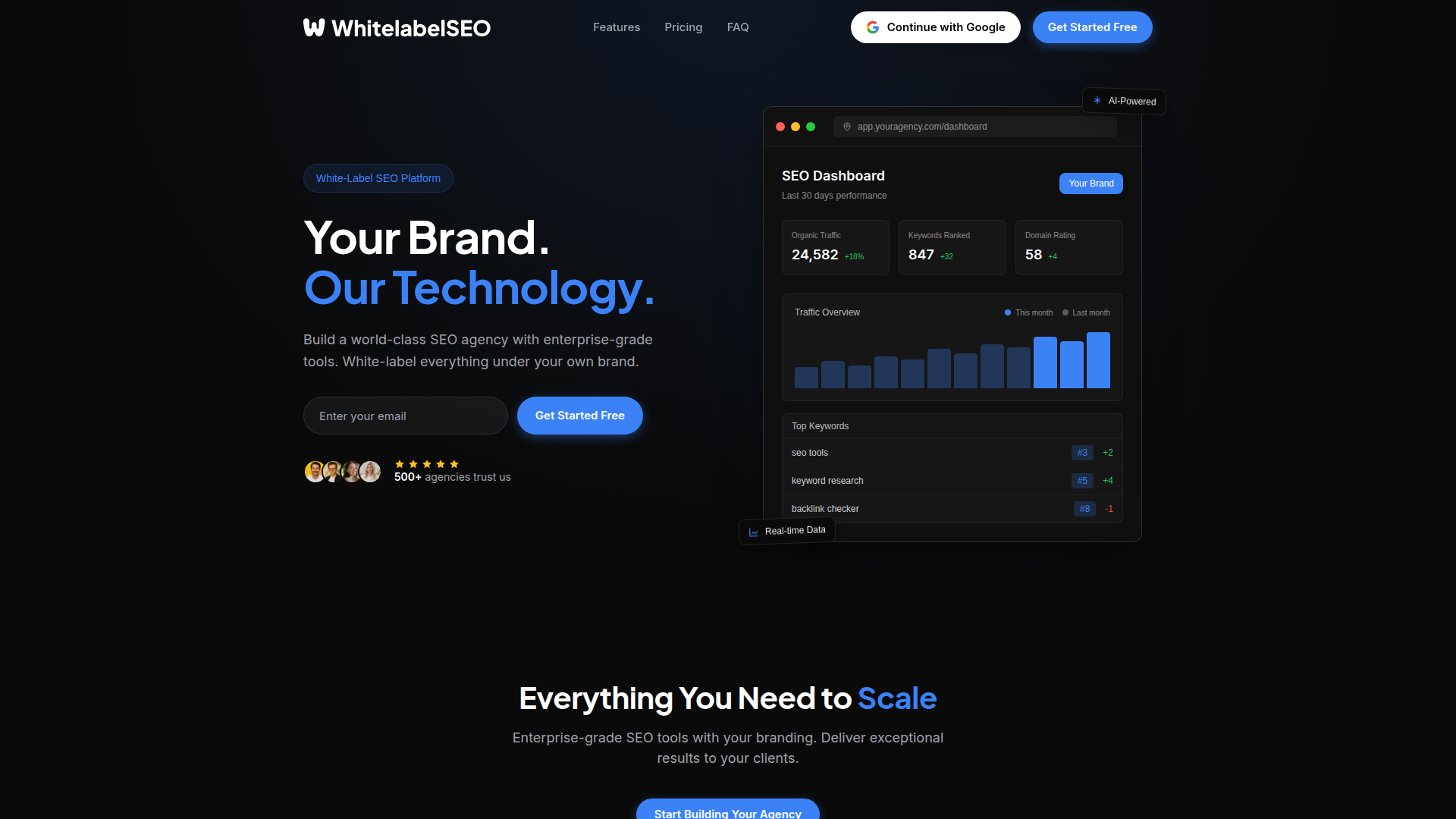
White label-2024) seo software is only useful if it saves you time and still looks like “your” work. WhitelabelSEOTool is built for SEO agencies, in-house marketing teams, and consultants who need client-ready reporting without juggling five different logins.
The big draw is how it treats branding as a first-class feature. You’re not just exporting a generic PDF and slapping a logo on it. You can shape dashboards, report sections, and client views so they match your service packages and the way you talk about results.
It also fits agencies that manage many small and mid-sized clients. The workflow is set up for repeatable monthly reporting, quick checks between calls, and clear performance metrics that clients understand.
If you’re comparing tools, read the feature and pricing notes below, then map them to your client mix. If you want a fast way to see whether WhitelabelSEOTool matches your reporting style, book a demo and bring one real client example to test against.
Key Features
WhitelabelSEOTool focuses on the parts of agency work that eat hours: reporting, dashboards, and consistent delivery.
Key features typically include:
Where it stands out is the agency-first packaging. Instead of forcing you to build everything from scratch, it’s designed around common deliverables: recurring reports, quick performance snapshots, and clean exports you can send as-is.
Pricing Info
Pricing for WhitelabelSEOTool is usually easiest to judge by how many clients you support and how often you report. Most agencies should look for three things in any plan:
In practice, agencies often start with a plan that covers their current client list plus a buffer for growth. If you’re adding clients each month, ask about scaling rules, add-on costs, and whether you can move tiers mid-cycle.
For budgeting, compare the tool cost against the hours it replaces. If it saves even a few reporting hours per month, it can pay for itself quickly in agency time.
Pros and Cons
Pros & Cons
SE Ranking: Robust Platform for Agencies
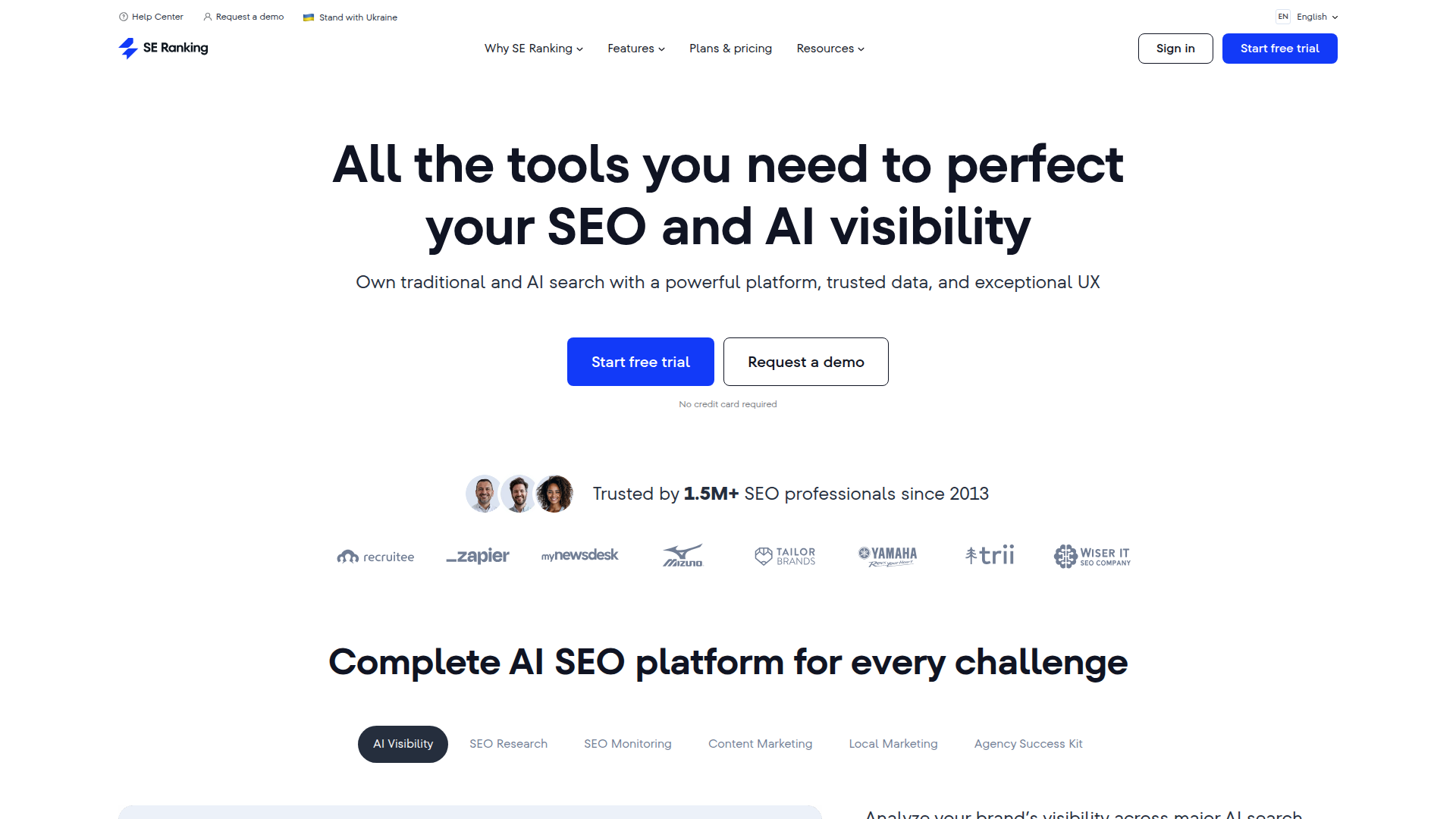
SE Ranking is a broad agency SEO solution that mixes rank tracking, audits, and reporting in one place. For teams that want a single platform to cover daily checks and client deliverables, it’s a practical option.
Its white-label pieces are strongest around reporting and client access. You can create branded reports and, depending on plan, offer a client portal experience that feels less like “here’s a vendor tool” and more like your agency’s dashboard.
SE Ranking also works well when you need predictable workflows. Rank tracking projects, scheduled audits, and recurring reports can be set up once and reused. That’s helpful when you manage many similar local or service-business accounts.
If you’re choosing between platforms, SE Ranking is worth a look when you want a balanced mix of research, tracking, and client reporting in one tool.
Key Features
SE Ranking’s feature set covers the standard agency needs:
It’s especially useful for SEO campaign tracking across many clients because projects are easy to duplicate and maintain. The interface is fairly approachable, which helps when you need account managers to pull reports without heavy training.
Pricing Info
SE Ranking pricing is usually tiered by features and usage limits, like keyword counts, projects, and report options. Agencies should price it based on:
Expect to pay more as you scale keyword tracking. If your agency sells reporting-heavy retainers, check whether scheduled reports and branded analytics exports are included in the plan you’re considering.
Pros and Cons
Pros & Cons
WebCEO: For Branded SEO Services
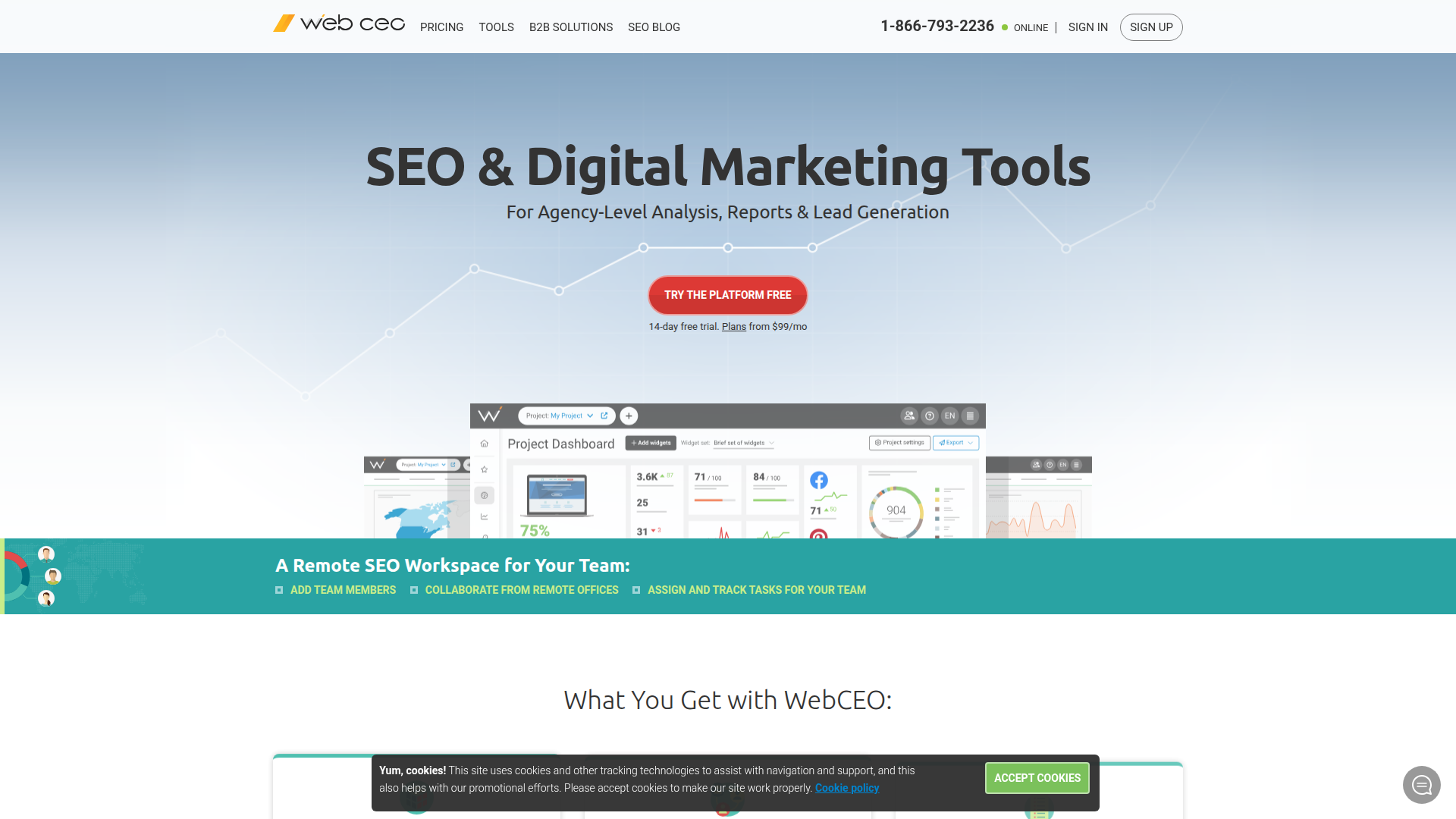
WebCEO is built around the idea of reselling SEO services under your own brand. That makes it a natural fit for agencies that want a client-facing portal and a consistent set of deliverables.
The platform leans into reporting, task workflows, and client communication. If your agency sells packaged SEO, like “Local SEO Plus Content” or “Technical Cleanup,” WebCEO’s structure can match that style.
It’s also useful when you need to show progress without overwhelming clients. Reports can be branded and organized so clients see the key performance metrics first, then details if they want them.
For teams comparing white label tools, WebCEO is often considered when the client portal experience matters as much as the underlying SEO data.
Key Features
WebCEO commonly includes:
The main value is packaging. It’s designed to help you deliver branded SEO services consistently, especially if you have a team that needs clear assignments and repeatable processes.
Pricing Info
WebCEO pricing often scales by the number of projects, users, and add-ons like white labeling and extra data sources. When comparing plans, focus on:
If you’re an agency that wants to standardize deliverables, it can be worth paying for the tier that includes full client white labeling rather than piecing it together with separate reporting tools.
Pros and Cons
Pros & Cons
Swydo: Efficient Client Reporting
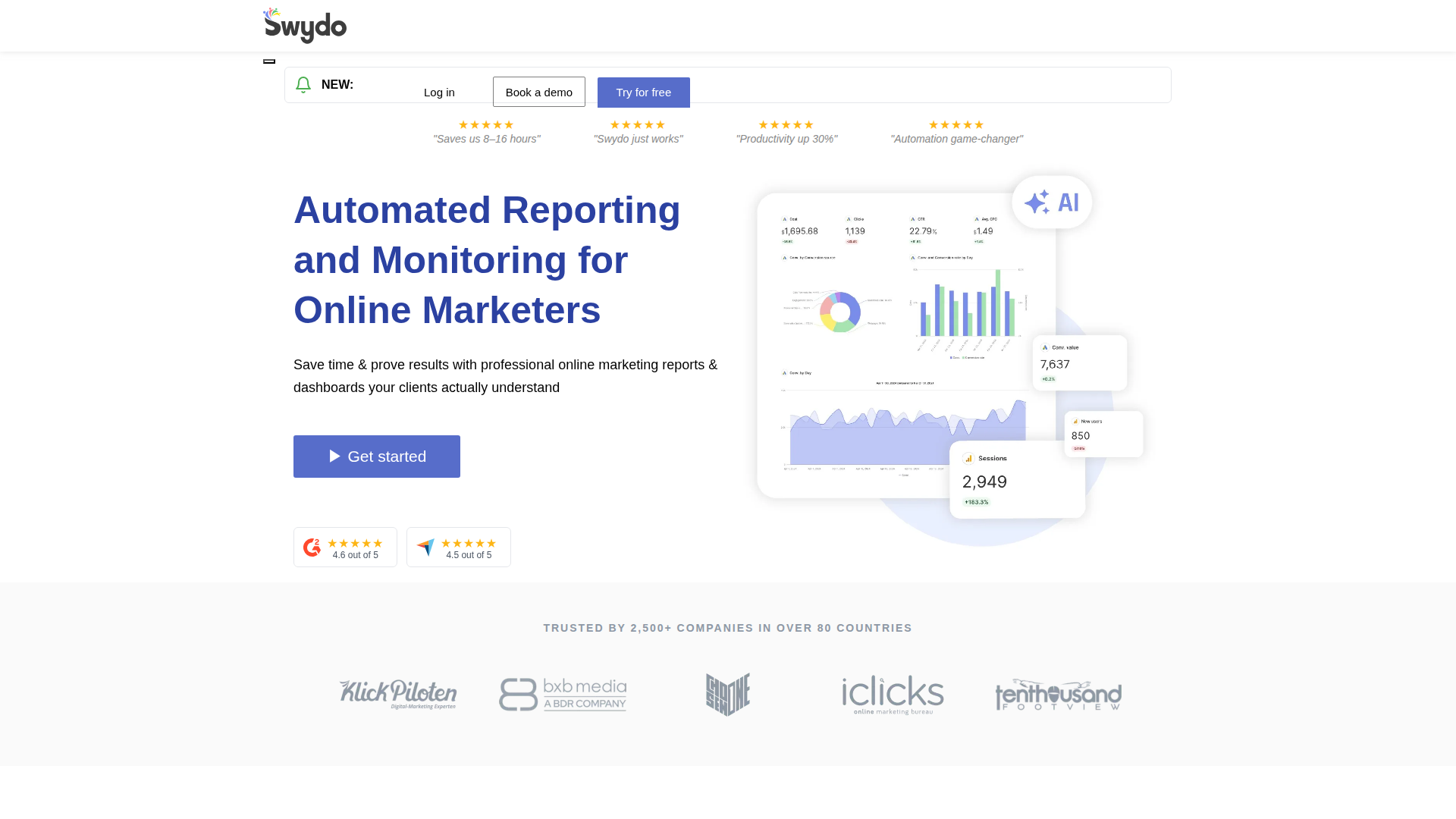
Swydo is more of a reporting hub than a full SEO suite. Agencies use it when they already have data sources they trust, but need automated reporting that looks clean and branded.
If your team lives in multiple platforms, Swydo can reduce the “copy, paste, screenshot” routine. You connect data sources, build templates, and schedule delivery. That’s a big deal when you’re sending dozens of monthly reports.
It’s also a good fit for marketing teams that want multi-channel reporting. SEO is rarely the only channel clients care about, so having PPC and social next to organic performance can cut down on client questions.
For white label needs, Swydo’s value is speed and consistency, not deep SEO research.
Key Features
Swydo’s strengths are in automated reporting:
If you already use separate search engine optimization tools for audits and keyword research, Swydo can act as the “presentation layer” that turns raw data into branded analytics clients will actually read.
Pricing Info
Swydo pricing is typically based on the number of data sources, reports, and client accounts. When you estimate cost, count:
For agencies, the pricing often makes sense when you replace manual reporting time. If you only send a few reports, a lighter tool might be enough.
Pros and Cons
Pros & Cons
Semrush: Comprehensive SEO Solution

Semrush is a broad digital marketing software suite with strong keyword research, competitive analysis, and content tooling. Many agencies use it as the “research engine” behind their strategy.
For white labeling, Semrush is more limited than tools built specifically for client portals. You can still produce client-ready reports and exports, but the experience depends on the plan and how you present deliverables.
Where Semrush shines is depth. If you need to answer questions like “Which pages drive competitors’ traffic?” or “What topics should we build next quarter?” it’s hard to beat the breadth.
Agencies often pair Semrush with a dedicated reporting layer when they want more control over branding and custom SEO dashboards.
Key Features
Semrush is known for:
If your agency sells strategy-heavy retainers, Semrush can support the “why” behind recommendations. It’s less about client white labeling and more about having strong data to back up your plan.
Pricing Info
Semrush pricing is tiered, with higher plans increasing limits and adding features. Agencies should compare:
Because it’s a large suite, you can end up paying for features you don’t use. If you mainly need reporting, a focused SEO reporting tool may be cheaper.
Pros and Cons
Pros & Cons
AgencyAnalytics: Integrated Client Reporting
AgencyAnalytics is built for agencies that need client reporting across many channels, with SEO as a core part of the mix. Think of it as a dashboard and reporting product first, not a research suite.
It’s popular with teams that manage lots of logins and want one place to show results. You can create custom SEO dashboards, schedule reports, and give clients access without sending spreadsheets.
The white-label options are a big reason agencies consider it. Branding, custom domains (depending on plan), and consistent templates help reports feel like part of your service.
If your agency already has favorite SEO tools for audits and links, AgencyAnalytics can sit on top and present the story clearly.
Key Features
AgencyAnalytics typically offers:
It’s a good fit for marketing agency software needs where you want to show SEO next to PPC, social, and email. That context can reduce churn because clients see the full picture, not just rankings.
Pricing Info
Pricing usually scales by the number of client campaigns and the integrations you need. When you compare tiers, check:
For agencies with many small clients, per-client pricing can add up. It’s worth modeling your cost at 25, 50, and 100 clients so you don’t get surprised later.
Pros and Cons
Pros & Cons
Whatagraph: Detailed Data Visualization
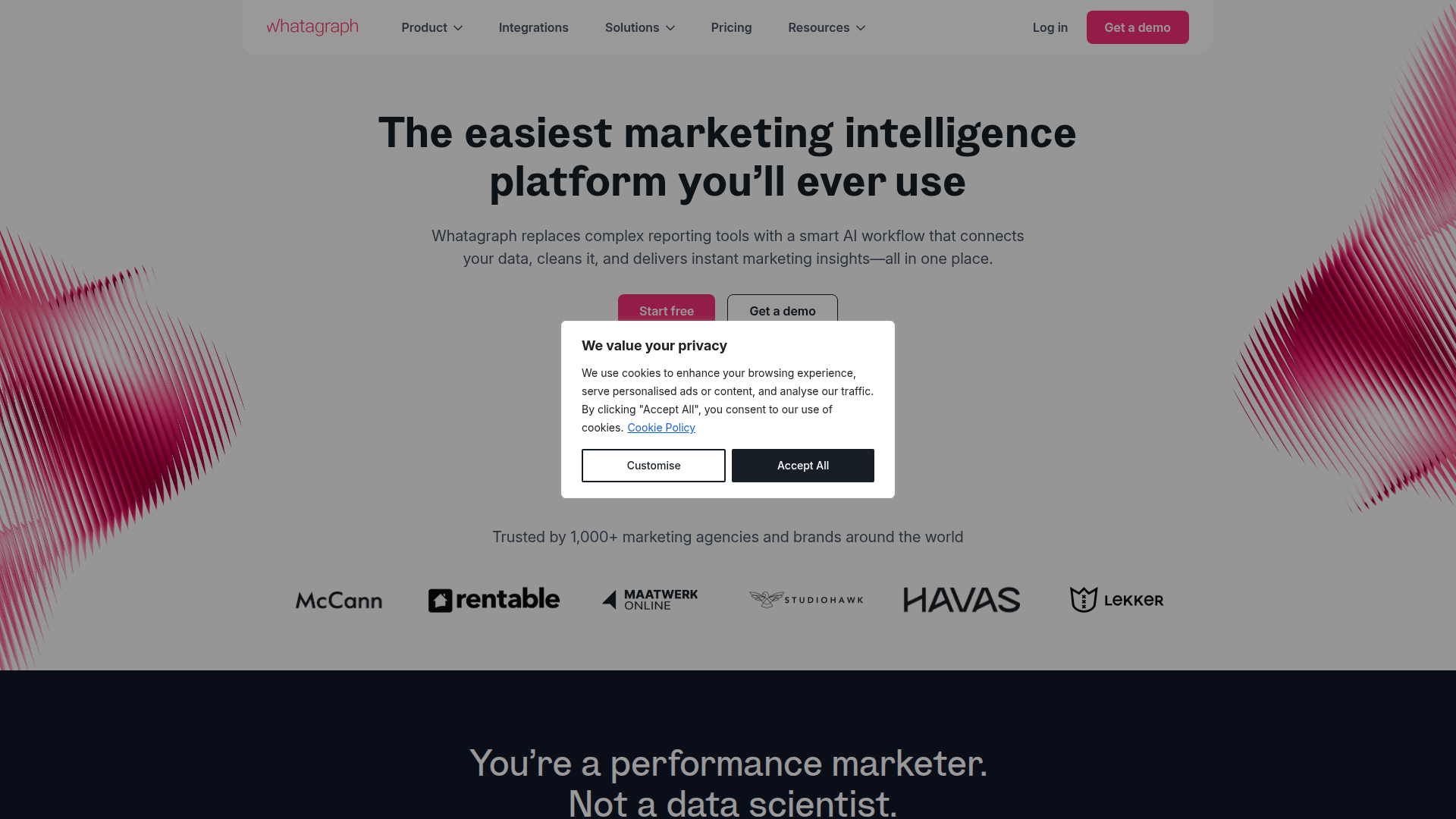
Whatagraph is aimed at teams that care a lot about presentation. If your clients expect polished visuals and clear charts, it’s a strong option.
It’s especially useful for marketing teams that report across many channels and want a consistent look. You can build dashboards that feel like a real analytics product, not a stitched-together report.
For SEO, Whatagraph works best when you already have data sources and you want to tell a clean story. It’s not trying to replace your audit crawler or backlink index.
If you’ve ever had a client say “Can you make this easier to understand?”, Whatagraph’s visual approach can help.
Key Features
Whatagraph commonly includes:
The main advantage is clarity. When you build a custom SEO dashboard, you can keep it focused on the few metrics that matter, like organic sessions, conversions, and visibility trends.
Pricing Info
Whatagraph is often priced for teams and agencies, with tiers based on users, data sources, and reporting needs. Before committing, confirm:
If you only need simple monthly PDFs, you may not need this level of design control. If clients expect polished reporting, the pricing can make more sense.
Pros and Cons
Pros & Cons
DashThis: Budget-Friendly Reporting Tools
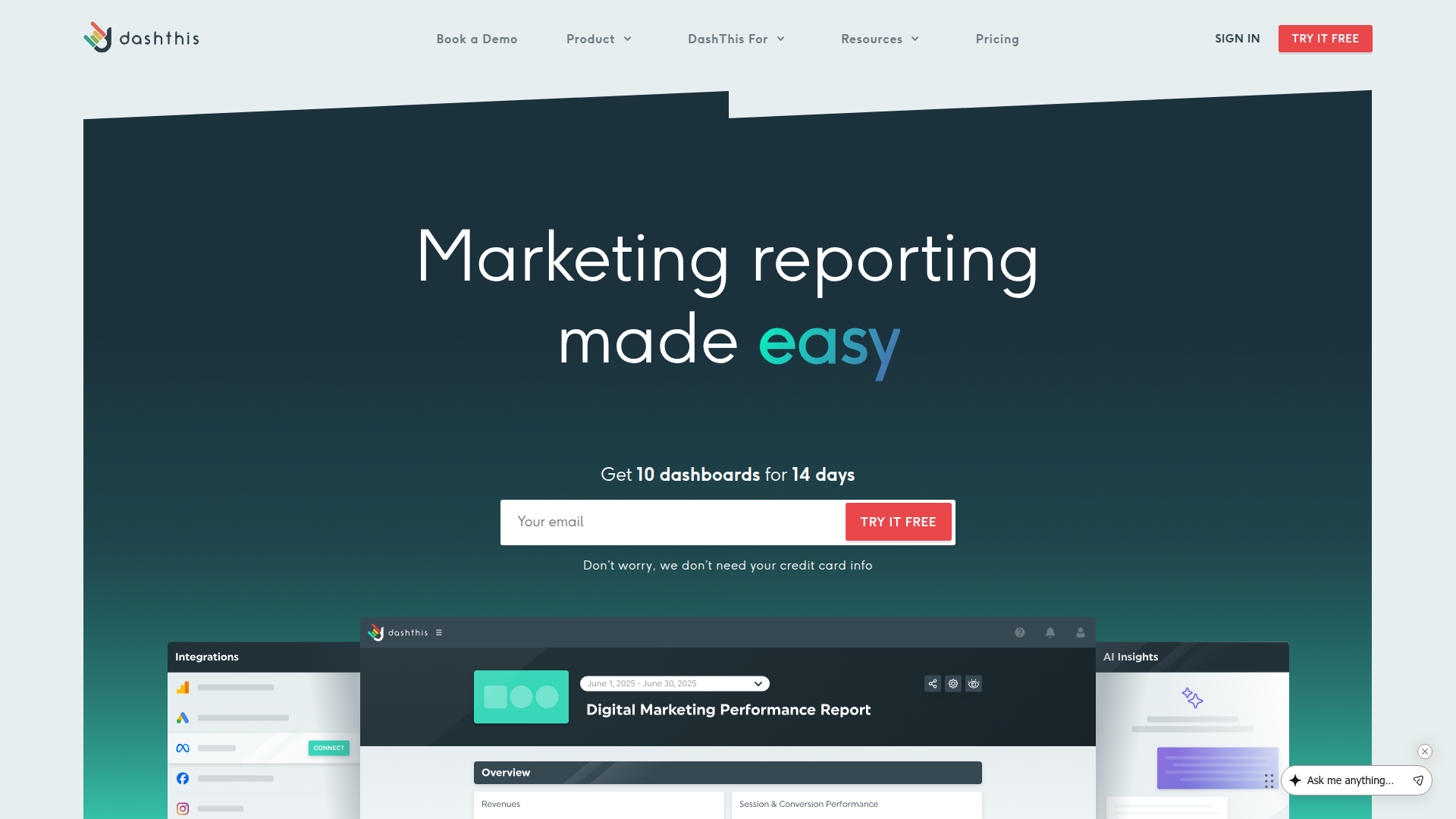
DashThis is a reporting tool that keeps things simple. Agencies often pick it when they want fast setup, clean dashboards, and predictable costs.
It’s not trying to be a full SEO platform. Instead, it helps you pull in data, build a dashboard, and share it with clients. For many agencies, that’s enough, especially if the strategy work happens elsewhere.
DashThis is also a good fit for smaller teams. If you don’t have time to build complex dashboards, the templates and straightforward UI can help you ship reports quickly.
If your main pain is reporting time, DashThis can be a practical middle ground.
Key Features
DashThis usually offers:
For SEO reporting tools, the value is speed. You can build a repeatable monthly report format and reuse it across clients, which is often what agencies need most.
Pricing Info
DashThis pricing is often based on the number of dashboards and the plan tier. When you compare, focus on:
If you’re growing, estimate your dashboard count six months out. Reporting tools can get expensive when each new client needs a separate dashboard.
Pros and Cons
Pros & Cons
Ahrefs: Backlink Analysis Focus
Ahrefs is known for link data. If your agency does a lot of link building, digital PR, or competitor link analysis, it’s often the tool people trust.
For white labeling, Ahrefs is not built as a client portal product. You can export data and build reports, but the platform itself is more of an internal research workspace.
That said, the insights can be client-facing if you package them well. Link gaps, broken link opportunities, and anchor text trends are easy to explain when you show the right charts.
Many agencies pair Ahrefs with a reporting layer, like WhitelabelSEOTool or another dashboard tool, to keep branding consistent.
Key Features
Ahrefs is strongest in:
If your niche is link-driven, Ahrefs can guide your roadmap. It helps you answer, “Where should we earn links next?” with real examples.
Pricing Info
Ahrefs pricing is tiered and often scales by usage limits, like projects, tracked keywords, and user seats. Agencies should check:
Because it’s a premium research tool, it can be expensive if you only need occasional link checks. For link-heavy services, it’s easier to justify.
Pros and Cons
Pros & Cons
BrightLocal: Local Search Optimization
BrightLocal is built for local SEO. If you manage Google Business Profile listings, citations, and local rank tracking, it’s a focused tool that matches that workflow.
Agencies that serve restaurants, home services, clinics, or multi-location brands often need local-specific reporting. BrightLocal’s reports are designed around local visibility, reviews, and map rankings, not just organic keywords.
White-label reporting is part of the appeal. You can deliver local SEO results in a format clients understand, like “calls, direction requests, reviews, and map pack rankings.”
If your agency sells local SEO packages, BrightLocal is usually easier than forcing a general SEO suite to do local-only reporting.
Key Features
BrightLocal commonly includes:
It’s especially helpful for industry-specific solutions where local signals matter more than content volume. For example, a dentist may care more about map visibility and reviews than long-form blog traffic.
Pricing Info
BrightLocal pricing is often based on the features you need and how many locations you manage. When comparing plans, check:
For multi-location clients, costs can scale quickly. Model pricing per location so you can price your retainers correctly.
Pros and Cons
Pros & Cons
Hike SEO: For Small Businesses and New Agencies
Hike SEO is aimed at smaller teams that want guidance and structure. If you’re a new agency or a consultant building repeatable processes, it can help you cover the basics without feeling lost.
The platform tends to focus on clear tasks, simple reporting, and step-by-step improvements. That’s useful when you’re working with small business owners who want direction, not a pile of charts.
White-label options can help you present work under your own brand, which matters when you’re building trust early.
If your clients are mostly small businesses and you want a tool that nudges you toward the next action, Hike SEO is worth considering.
Key Features
Hike SEO often includes:
The training angle matters. If you’re still learning or onboarding junior staff, built-in guidance can reduce mistakes and help you deliver consistent work.
Pricing Info
Hike SEO pricing is usually positioned for small businesses and smaller agencies. When you compare tiers, look at:
If you’re scaling quickly, confirm how pricing changes as you add more clients. Some tools are affordable at 5 clients and less so at 50.
Pros and Cons
Pros & Cons
Final Verdict

Choosing white label seo software comes down to what you sell and how you report. If your main deliverable is client-facing dashboards and recurring reports, prioritize branding controls, templates, and automated reporting. Tools like WhitelabelSEOTool, AgencyAnalytics, DashThis, and Whatagraph tend to fit that job.
If your agency wins by strategy and research depth, you may lean toward Semrush or Ahrefs, then pair them with a branded reporting layer. Local-first agencies should look closely at BrightLocal because it speaks the language local clients care about.
Before you commit, run a simple test. Pick one real client, build a report, and time how long it takes. Then ask, “Would I be proud to send this with my logo on it?” That’s the difference between a tool you tolerate and one you keep.