Top Whitelabel SEO Platform Tools for Agencies
WhitelabelSEOTool: Comprehensive Agency Solution
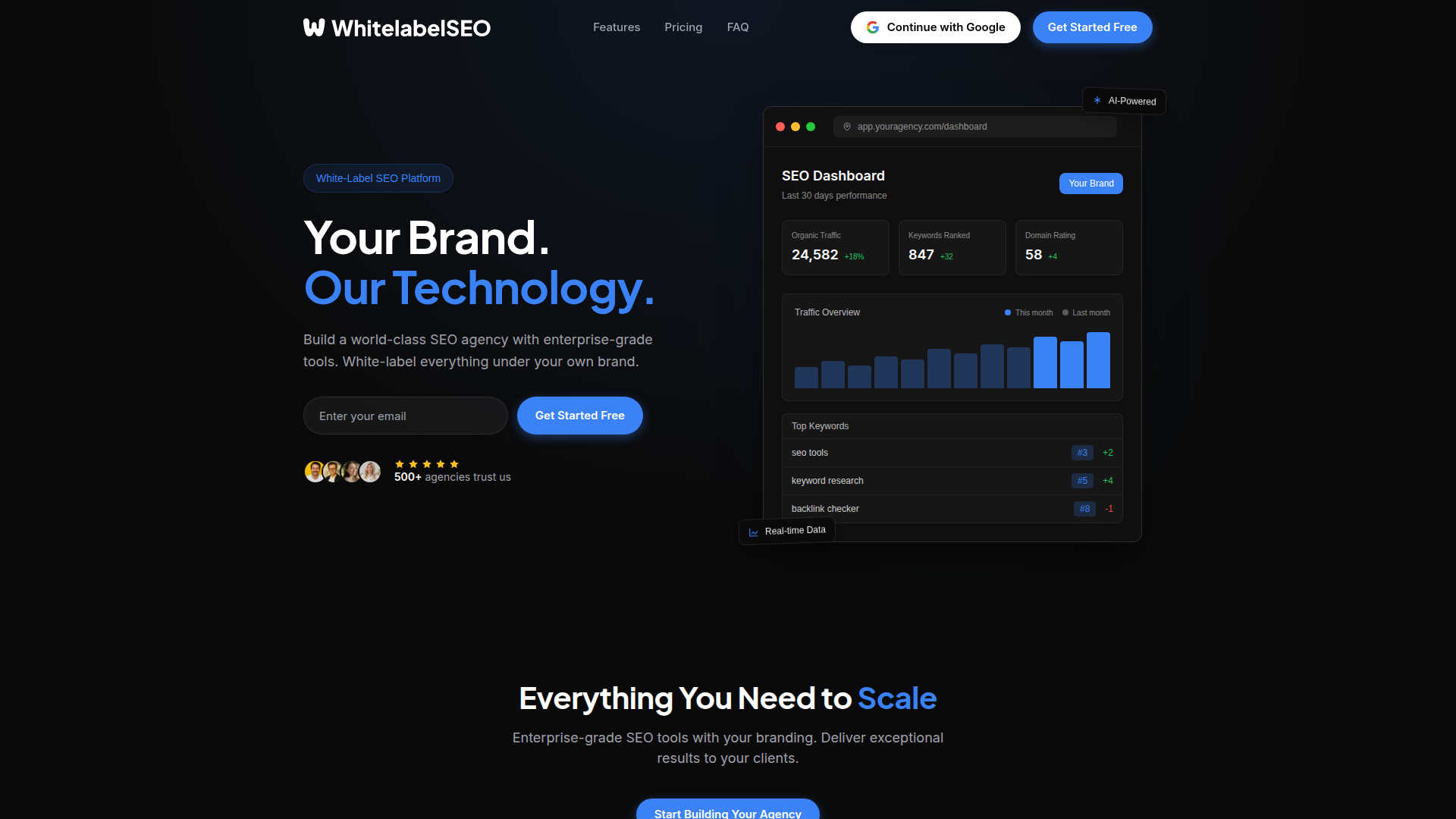
A whitelabel seo platform lives or dies by two things: how fast you can ship client-ready reporting, and how cleanly it fits your agency brand. WhitelabelSEOTool is built for SEO agencies, marketing teams, and consultants who need repeatable client reporting without turning every monthly report into a design project.
Where it stands out is the agency-first workflow. You can set up branded templates once, then reuse them across clients while still keeping room for custom notes and goals. It’s also designed to support SEO reseller work, where you may manage many accounts under one umbrella and need consistent performance metrics.
If you’re comparing tools, read the feature and pricing sections below with your own process in mind: onboarding, recurring reports, and how you explain results to non-SEO clients. If you want to see how WhitelabelSEOTool would map to your current reporting stack, it’s worth booking a quick demo and testing it with one real client account before migrating everything.
Key Features
WhitelabelSEOTool focuses on the parts agencies repeat every week: tracking, reporting, and brand control. You get white label branding for client-facing dashboards and custom SEO reports, so your logo, colors, and domain feel consistent.
For day-to-day SEO analytics tools, expect rank tracking, site auditing, and reporting that ties tasks to outcomes. That matters when a client asks, “What did we get for last month’s work?” The platform is also geared toward client reporting at scale, with templates and scheduled delivery.
Onboarding is where many tools fall apart. WhitelabelSEOTool supports a cleaner setup flow with reusable client checklists, baseline snapshots, and goal tracking. That makes it easier to show progress from day one, even if the first month is mostly fixes and research.
Pricing Info
WhitelabelSEOTool pricing typically makes the most sense when you’re managing multiple clients and want predictable reporting costs. Plans are usually structured around client limits, reporting frequency, and feature access (like advanced audits or higher keyword tracking caps).
When you compare pricing, don’t just look at the monthly number. Ask what you’d otherwise pay for separate reporting software, rank tracking tools, and branded dashboards. Also check whether white label-2024) branding is included or treated as an add-on.
For agencies doing SEO reseller work, it’s worth modeling pricing per client. If the platform cost stays steady while you add accounts, your margins get easier to manage. If it scales sharply per seat or per report, it can pinch later.
Pros and Cons
Pros & Cons
SE Ranking: Customizable SEO Platform for Agencies
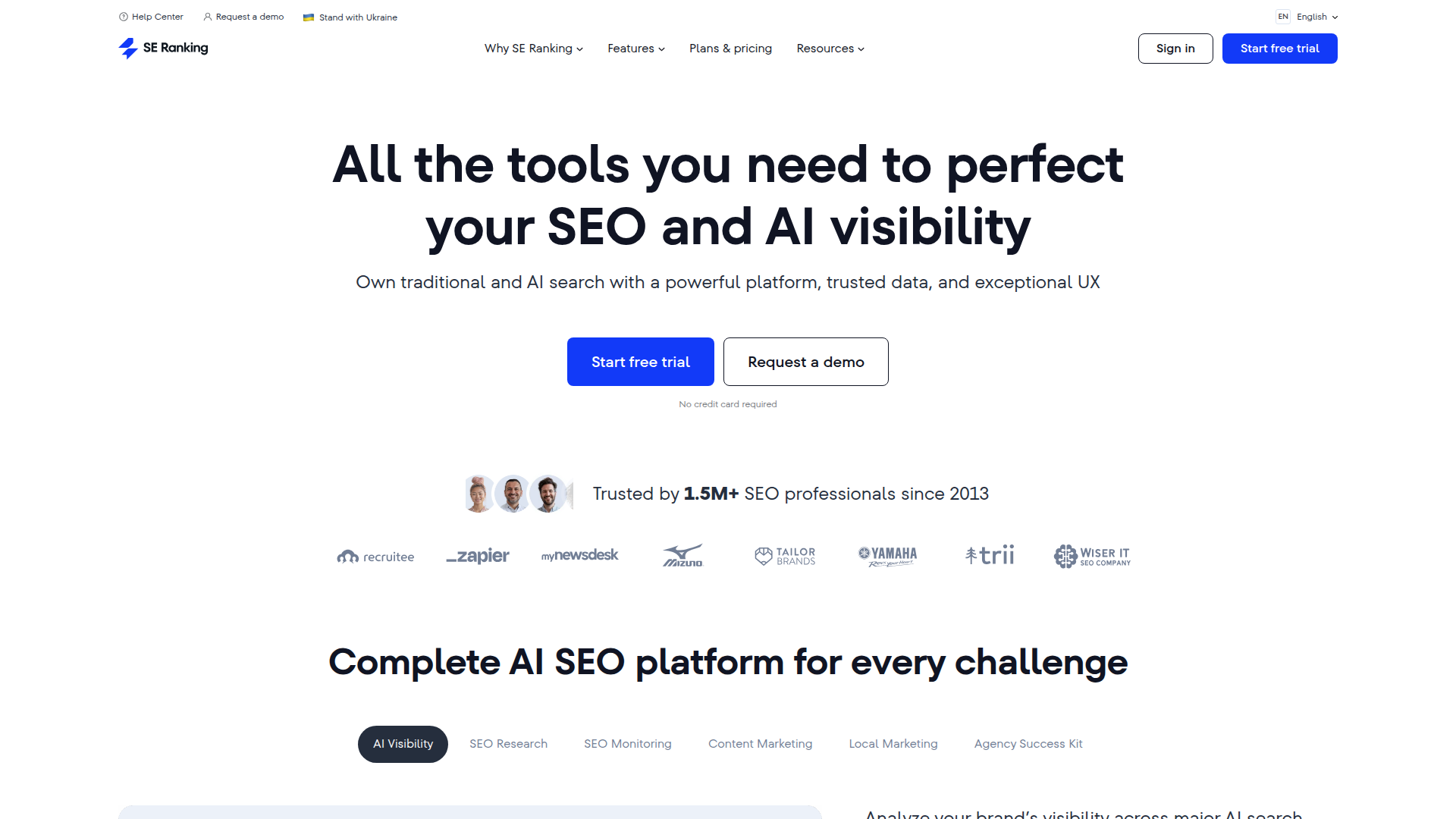
SE Ranking is a flexible option when you want a broad SEO toolkit plus client-facing reporting. As a whitelabel seo platform, it’s often chosen by agencies that need rank tracking, audits, and competitor research in one place, then want to package results into branded reports.
The interface is friendly for mixed-skill teams. That helps when account managers need to pull performance metrics without digging through five menus. It also supports a “build your stack” approach, where you start with core tracking tools and add pieces as your client list grows.
If your agency sells ongoing search engine optimization retainers, SE Ranking can cover the basics well. The key is to confirm that the reporting and white label branding match your client expectations, especially for executive-style summaries.
Key Features
SE Ranking includes rank tracking with location and device options, plus site audits that flag technical issues. Competitor research and keyword tools help with content planning and client acquisition pitches.
For agencies, the reporting is the real draw. You can create custom SEO reports, schedule them, and apply branding for agencies that want a consistent look. There are also client access options, so some clients can log in and check progress.
It’s also useful for data-driven marketing because you can tie ranking changes to pages and keywords you’re working on. That makes monthly calls less awkward.
Pricing Info
SE Ranking pricing is usually tiered by feature set and limits like tracked keywords and projects. Higher tiers tend to unlock more historical data, more frequent checks, and stronger reporting options.
For agencies, the practical question is cost per client. If you track lots of keywords across many locations, pricing can rise. If most clients only need a focused keyword set, it stays reasonable.
Check whether white label branding is included at your tier, and whether client seats cost extra.
Pros and Cons
Pros & Cons
Web CEO: Collaborative SEO Tools for Teams
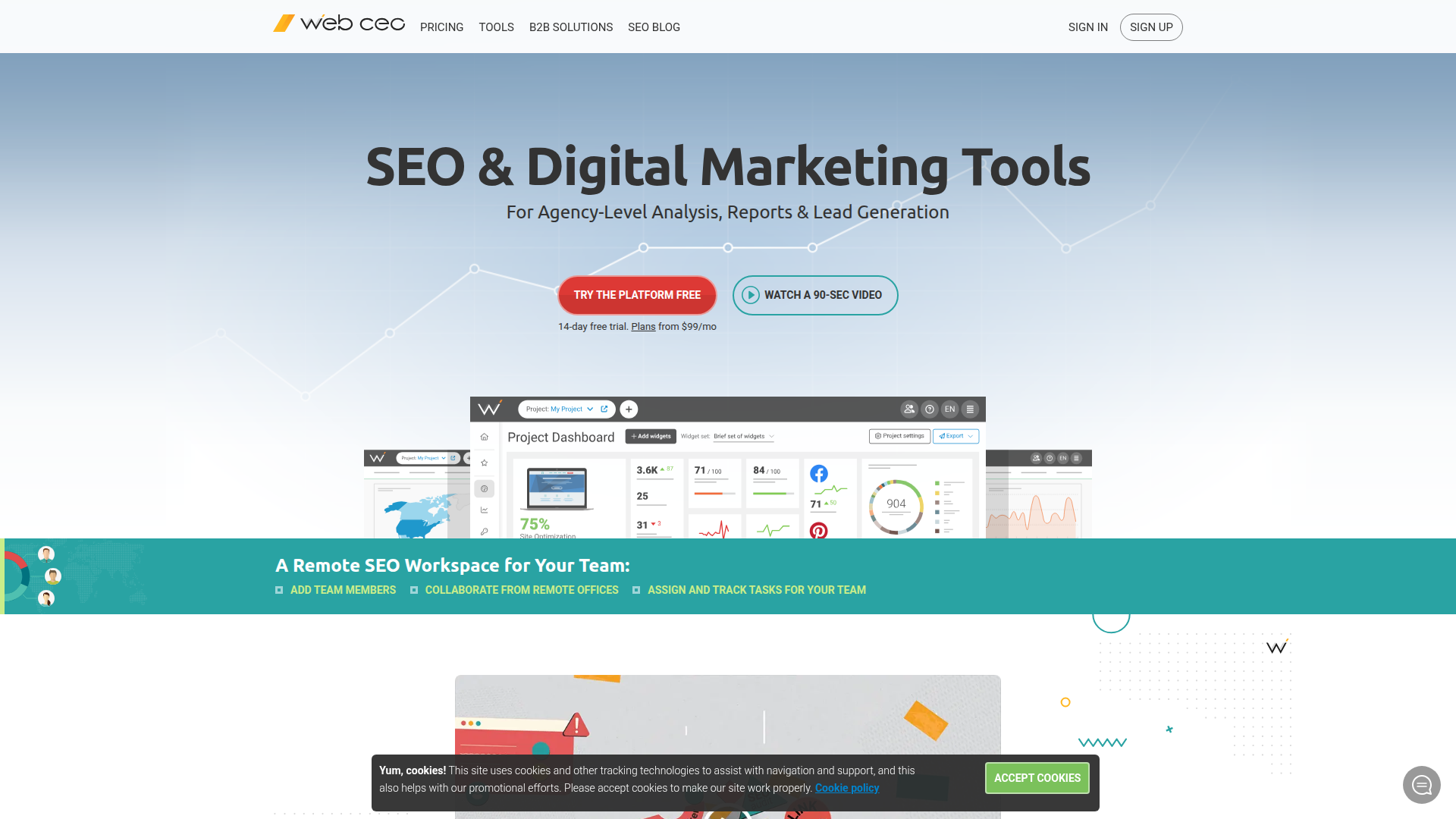
Web CEO is built around teamwork. If your agency has specialists for technical SEO, content, and outreach, the collaboration features can matter as much as the SEO analytics tools.
As a whitelabel seo platform, Web CEO supports branded reporting and client-facing deliverables. It’s often used by agencies that want a central place for tasks, checklists, and reporting software, rather than stitching together separate tools.
The trade-off is that it can feel more “system-like” than lightweight tools. That’s great when you want process. It’s less great if you just want quick charts and a simple PDF.
Key Features
Web CEO includes rank tracking, site audits, and backlink monitoring, plus a strong emphasis on project management. You’ll find task assignment, to-do lists, and workflow support that helps teams avoid duplicated work.
Reporting is designed for agencies. You can generate custom SEO reports, schedule delivery, and apply white label branding. Client portals are also common, which can cut down on “Can you resend that report?” emails.
If you run onboarding the same way each time, Web CEO’s templates and checklists can help you keep new accounts consistent.
Pricing Info
Web CEO pricing is typically tiered by project limits and feature access. Agency-focused plans often include white label branding and client reporting features.
Expect costs to rise with more campaigns, more users, and more frequent tracking. If you’re a small shop, you’ll want to confirm you’re not paying for collaboration features you won’t use.
Ask about add-ons for extra client portals or advanced reporting modules, since those can change the real monthly total.
Pros and Cons
Pros & Cons
BrightLocal: Local SEO Focused Platform
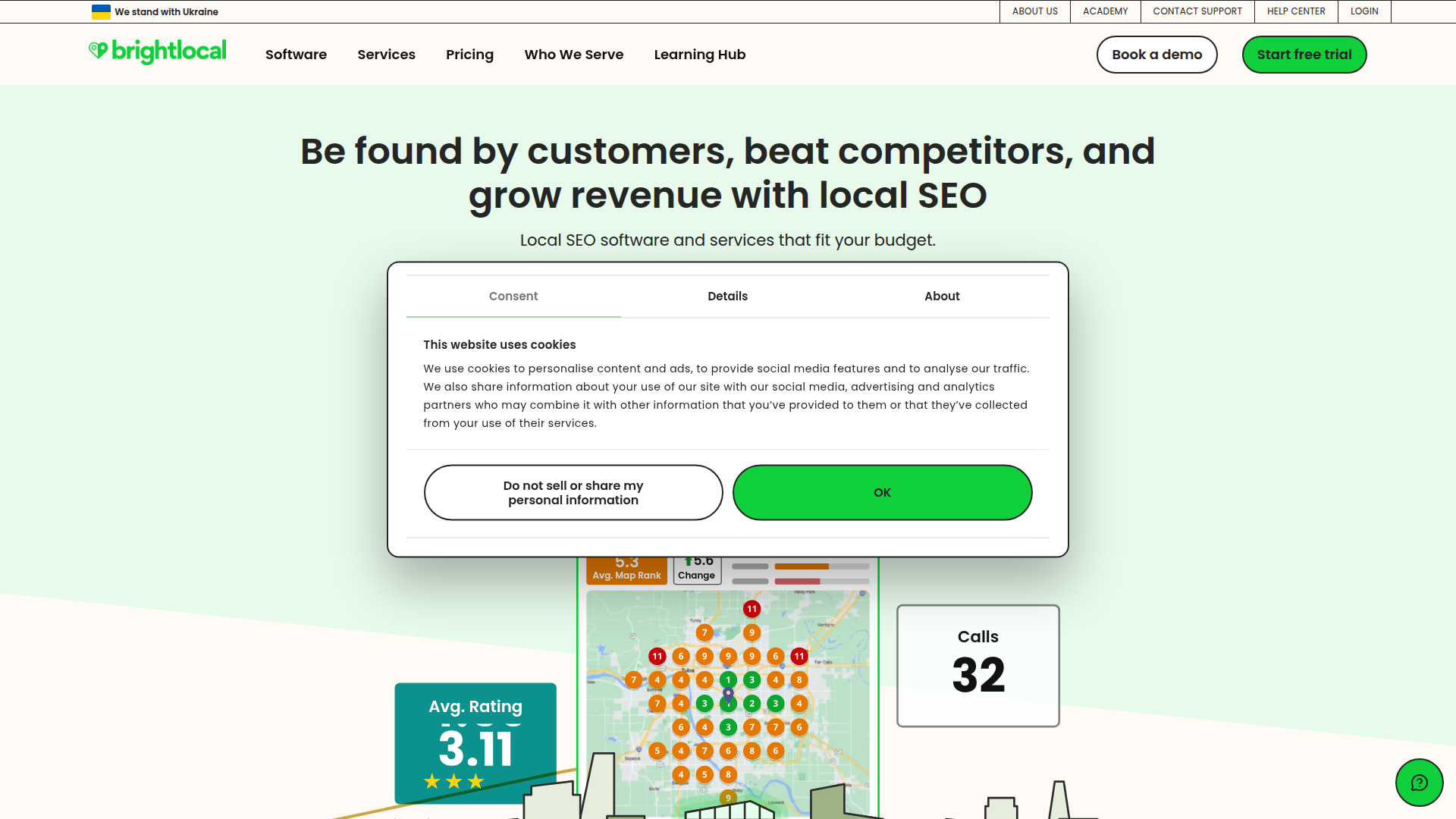
BrightLocal is a local-first tool. If your agency sells local search packages, it can be a better fit than a general-purpose suite. As a whitelabel seo platform, it’s most useful when your clients care about maps visibility, citations, and reviews.
Local SEO is full of small, repeatable tasks. That’s where BrightLocal shines. It helps you track local rankings, audit listings, and keep client reporting focused on what actually moves the needle for local businesses.
If you manage national or enterprise SEO, you may still use BrightLocal as a specialist add-on rather than your only platform.
Key Features
BrightLocal offers local rank tracking, citation building and auditing, and review monitoring. Those features map directly to common local deliverables, like fixing NAP consistency and improving review velocity.
For reporting software, it provides client-ready reports that are easy to understand. That’s helpful when the business owner wants a simple answer: “Are we showing up more often?”
It also supports multi-location brands, though pricing and setup can change a lot when you scale locations.
Pricing Info
BrightLocal pricing is usually modular. You pay for core tools and then add citation services or extra locations as needed.
That structure can be cost-effective for agencies that only need local features for a subset of clients. It can also get pricey if you do citation work at scale across many locations.
If white label branding is important, confirm what’s included in your plan and what requires an upgrade.
Pros and Cons
Pros & Cons
AgencyAnalytics: Integrated Reporting Solutions
AgencyAnalytics is reporting-first. If your biggest pain is building dashboards and monthly client reporting, it’s a strong contender. As a whitelabel seo platform, it’s less about doing every SEO task inside one tool and more about presenting results cleanly.
Agencies often pair it with separate tracking tools, then pull data into one place. That can work well if you already like your current keyword tracker or audit tool.
The key question is how many channels you need. If you report on SEO, PPC, social, and email, the multi-channel approach can save hours each month.
Key Features
AgencyAnalytics provides dashboards, scheduled reports, and client portals. It supports many integrations, which helps marketing teams show a full picture of performance metrics.
White label branding is a core feature. You can present reports under your agency name, with custom domains and styling options depending on plan.
For SEO, it commonly includes rank tracking and basic site audit connections, but many agencies use it mainly as reporting software that sits on top of other SEO analytics tools.
Pricing Info
Pricing is usually based on the number of client campaigns and the feature tier. As you add clients, costs scale in a predictable way, which agencies often prefer.
Add-ons can include more integrations, higher reporting limits, or advanced white label branding options. If you need a lot of data sources, confirm they’re included.
Model your monthly cost against time saved. Reporting tools pay off when they replace manual slides and spreadsheets.
Pros and Cons
Pros & Cons
Semrush: Comprehensive SEO Solution

Semrush is a broad marketing suite with deep SEO data. Many agencies use it for keyword research, competitor analysis, content planning, and technical audits. Its white label options exist, but they’re not always as simple as tools built only for agency reporting.
As a whitelabel seo platform, Semrush is often part of a larger stack: Semrush for research and audits, then another tool for client-facing dashboards. Still, if you want one vendor for many SEO tasks, it’s hard to ignore.
It’s especially useful when you need strong competitive insights for pitches, positioning, and ongoing content strategy.
Key Features
Semrush includes keyword research, site audits, backlink analysis, rank tracking, and content tools. The competitive database is a big reason agencies keep it around.
For reporting, you can create reports and dashboards, and some plans support more customization. Many teams use exports to build custom SEO reports in their own templates.
If your agency does data-driven marketing across channels, Semrush also offers PPC and social features, which can help connect SEO work to broader outcomes.
Pricing Info
Semrush pricing is tiered and can be a meaningful line item. Higher tiers unlock more limits, more historical data, and more advanced features.
For agencies, the cost often makes sense when multiple team members use it daily for research and audits. If you only need reporting, it may be more tool than you need.
Check what’s included for report sharing, user seats, and API access, since those can affect agency workflows.
Pros and Cons
Pros & Cons
Whatagraph: Automated Reporting for Enterprises
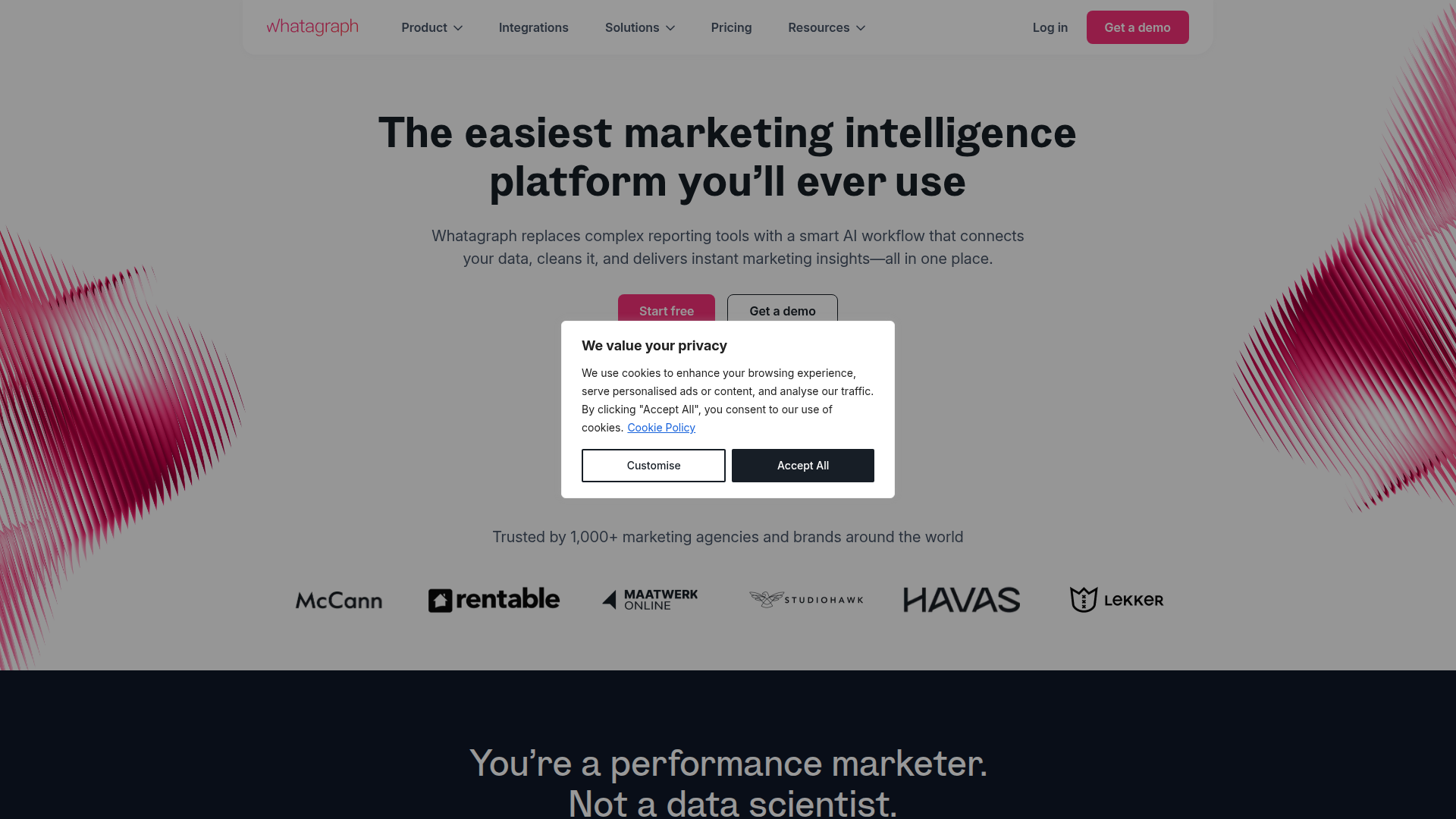
Whatagraph is aimed at automated, multi-source reporting. It’s popular with larger marketing teams that need consistent dashboards across many channels and stakeholders.
As a whitelabel seo platform, it’s more accurate to call it an enterprise reporting layer. You bring your SEO and marketing data in, then build client-ready visuals and recurring reports.
If your agency has enterprise clients who expect polished reporting and strict brand control, Whatagraph can fit. If you need built-in SEO research, you’ll pair it with other SEO analytics tools.
Key Features
Whatagraph connects to many marketing data sources and turns them into dashboards and scheduled reports. It’s built for automation, so recurring client reporting can run with minimal manual work.
Templates help teams standardize reporting across accounts. That’s useful when you have multiple account managers and want consistent performance metrics.
Branding options support agency solutions where reports must look like they came from your team, not a third-party tool.
Pros and Cons
Pros & Cons
DashThis: Affordable Reporting Solutions
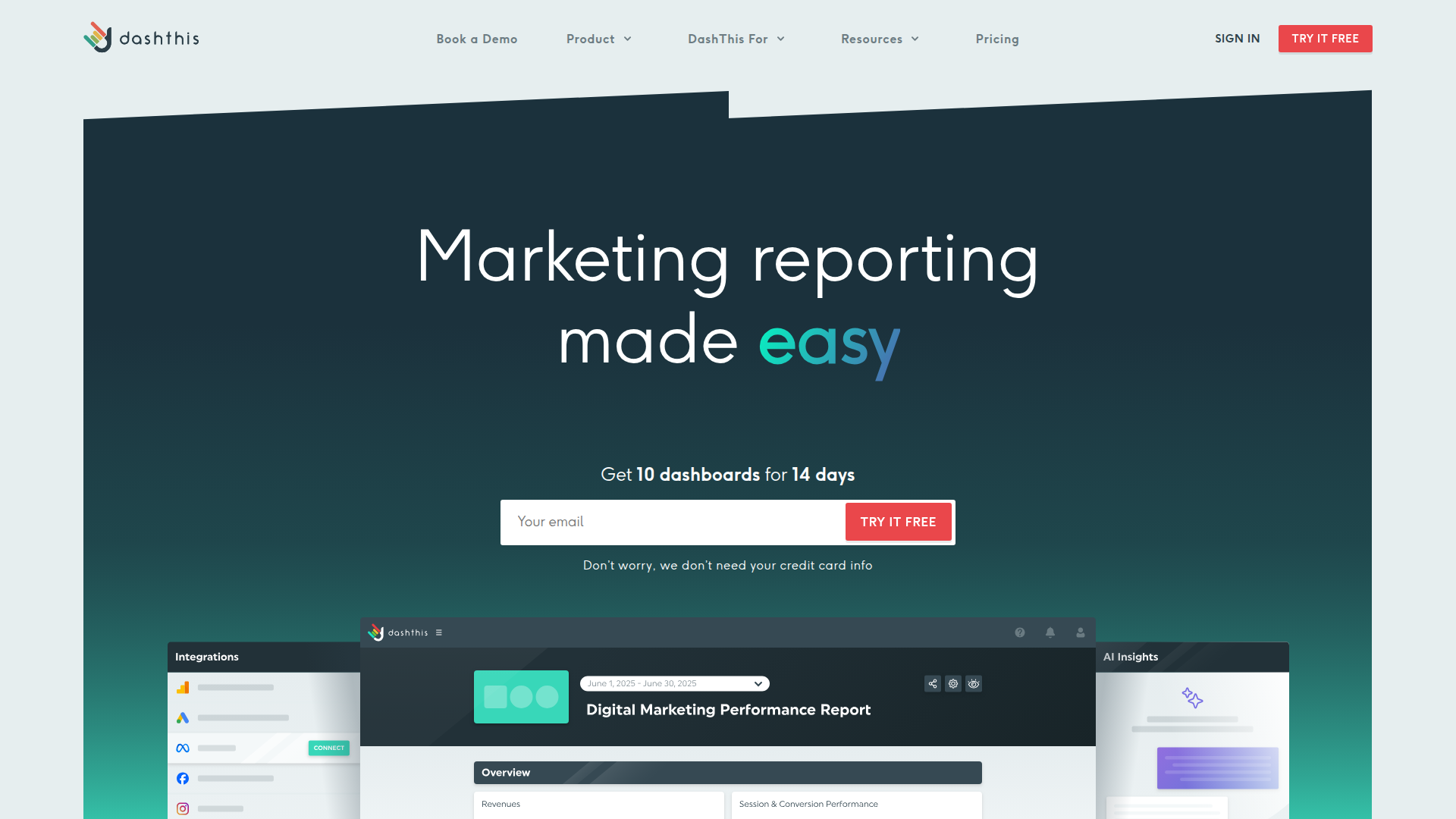
DashThis is a reporting tool that keeps things simple. If you want dashboards without a long setup, it’s appealing. As a whitelabel seo platform, it works best for agencies that already have data sources and just need a clean way to present them.
It’s not trying to be a full SEO suite. Think of it as reporting software that helps you deliver consistent monthly updates.
For smaller agencies, the value is often time saved. Less time building slides means more time doing the work that improves rankings.
Key Features
DashThis offers dashboard templates, scheduled email reports, and integrations with common marketing channels. You can create client-facing views that focus on the few metrics that matter.
White label branding options help agencies present dashboards under their own identity. That’s important when you’re building trust and keeping deliverables consistent.
If your clients want simple reporting, DashThis can be enough. If they want deep SEO detail, you’ll still need separate tracking tools.
Pricing Info
DashThis pricing is generally positioned for smaller teams and agencies. Plans often scale by the number of dashboards and feature access.
It’s worth checking whether white label branding is included at your tier. Some reporting tools reserve full branding for higher plans.
If you manage many small clients, pricing per dashboard is the number to watch.
Pros and Cons
Pros & Cons
Ahrefs: Focus on Backlink Analysis
Ahrefs is known for link data. If your agency does a lot of link building, digital PR, or competitive link analysis, it’s a staple. Its white label options are limited compared to a dedicated whitelabel seo platform, but it can still play a key role in your stack.
Many agencies use Ahrefs for research, then move insights into custom SEO reports built in another system. That’s a common pattern when you want strong data but also need branded client reporting.
If backlinks are a major part of your service, Ahrefs can be the difference between guessing and knowing.
Key Features
Ahrefs offers backlink analysis, competitor link comparisons, content research, and keyword tools. The link index and reporting around referring domains are the main draw.
For agencies, it’s useful for diagnosing ranking drops tied to link loss, spotting spammy links, and finding outreach targets.
Because white label branding is not the core focus, many teams export charts and tables into their own reporting software or into a platform like WhitelabelSEOTool when they want a consistent client-facing experience.
Pros and Cons
Pros & Cons
Swydo: Efficient Reporting Solutions
Swydo is built for automated reporting. It’s often used by agencies that want scheduled dashboards and quick client reporting without building everything from scratch.
As a whitelabel seo platform, it’s closer to a reporting layer than a full SEO suite. You connect data sources, build templates, and reuse them across clients.
If your agency already has solid tracking tools, Swydo can help you package results in a consistent way. If you need built-in SEO audits and research, you’ll want to pair it with other SEO analytics tools.
Key Features
Swydo supports report templates, scheduled delivery, and integrations with common marketing channels. The template approach is helpful when you want consistent performance metrics across accounts.
White label branding options let you present reports under your agency identity. That matters for branding for agencies that want clients to see a unified experience.
It’s also useful for marketing automation around reporting, like sending monthly reports automatically and reducing manual follow-ups.
Pricing Info
Swydo pricing often scales by the number of data sources, clients, or report volume. That can work well if your reporting needs are predictable.
Before you commit, map your client count and the channels you report on. A plan that looks cheap can grow fast if each client needs many sources.
Also confirm what level of white label branding is included, since some features may be tiered.
Pros and Cons
Pros & Cons
Final Verdict: Choosing the Right Whitelabel SEO Platform

Choosing a whitelabel seo platform comes down to your delivery model. Are you selling SEO reseller packages, full-service retainers, or mostly reporting and strategy? Your answer decides whether you need an all-in-one suite or reporting software that sits on top of other tools.
Start with your workflow. List what happens in the first 30 days: onboarding, baseline metrics, technical fixes, and the first report. Then check which tool makes that process easiest to repeat. If client reporting is your biggest time sink, prioritize templates, scheduling, and white label branding.
Also look at support. When a report breaks the day before a client call, fast chat support beats a slow ticket queue.
If you want an agency-first setup that keeps branding consistent and reporting repeatable, WhitelabelSEOTool is worth testing with one client account. Then compare it against a broader suite like Semrush or a reporting layer like AgencyAnalytics, based on what your clients actually pay you for.