Top 10 white label rank tracker tools for agencies
WhitelabelSEOTool
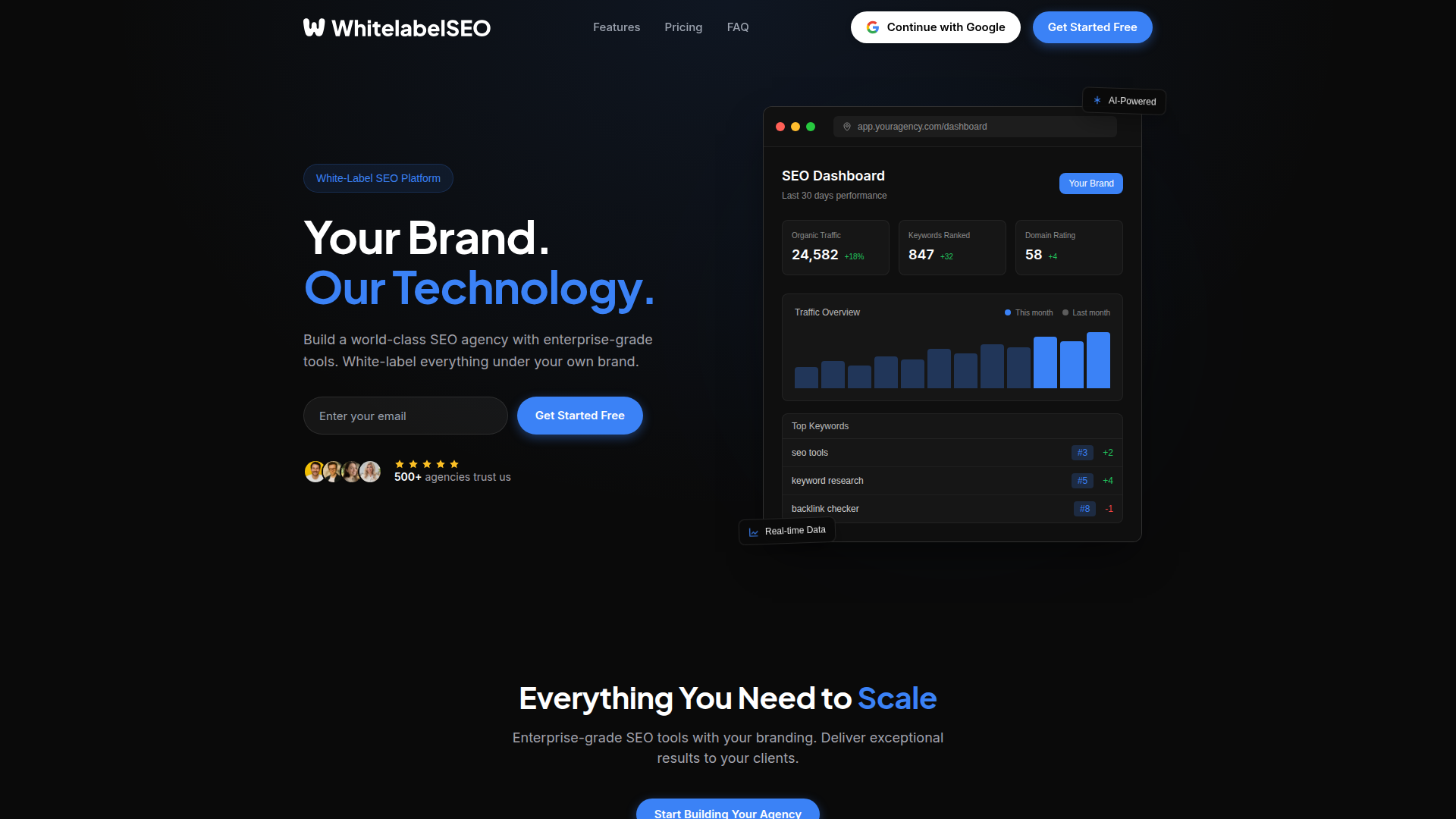
A white label rank tracker is only useful if clients can understand it fast and trust the numbers. WhitelabelSEOTool is built for SEO agencies, in-house marketing teams, and consultants who need clean client reporting without spending hours formatting dashboards.
What stands out is how the platform treats branding and delivery as first-class features. You can present keyword position tracking, site visibility, and trend lines under your own logo and colors, then send scheduled reports that look like they came from your agency.
It also fits real agency workflows. You can separate clients, manage multiple locations, and keep reporting consistent across accounts. That matters when you’re juggling dozens of campaigns and need a repeatable process.
If you’re comparing tools, start by mapping your reporting needs, then test WhitelabelSEOTool with a few live clients. Set up a branded template, schedule a weekly report, and see how much time you get back.
Key Features
WhitelabelSEOTool focuses on the parts of rank monitoring solutions that agencies feel every week: tracking, reporting, and client-ready presentation.
Key capabilities typically include:
For teams that already use other SEO tracking tools, the value is how quickly you can turn raw ranking data into a report a client will actually read.
Pricing
Pricing for WhitelabelSEOTool usually depends on how many keywords, projects, and report users you need. That’s common for private label SEO software because tracking costs scale with volume.
When you compare plans, look for:
If you’re an agency, it often makes sense to price your client packages around keyword tiers. That way your tool cost stays predictable as you grow.
Pros and Cons
Pros & Cons
SEMrush
SEMrush is a broad digital marketing analytics suite that includes rank tracking, site audits, and competitive research. For agencies, it’s often used as an all-in-one research hub, then paired with reporting workflows for clients.
As a white label rank tracker use case, SEMrush can support branded reporting through its reporting tools and integrations, but the experience depends on which plan you’re on and how you package deliverables. It shines when you need more than rankings, like keyword discovery, competitor gap analysis, and content planning.
If your clients ask “why did rankings drop?” SEMrush helps you investigate the cause with audits, SERP features, and competitor movement, not just the position change.
Key Features
SEMrush combines SEO dashboard views with research-heavy tooling.
Common highlights:
It’s a strong fit when you want rankings plus context, like what competitors changed and which pages gained visibility.
Pricing
SEMrush pricing is usually tiered by feature access and usage limits. Rank tracking limits often depend on the plan and add-ons.
When budgeting, check:
Agencies often reserve SEMrush for strategy and research, then decide whether to use it for client-facing rank reports or export data into another reporting layer.
Pros and Cons
Pros & Cons
Ahrefs
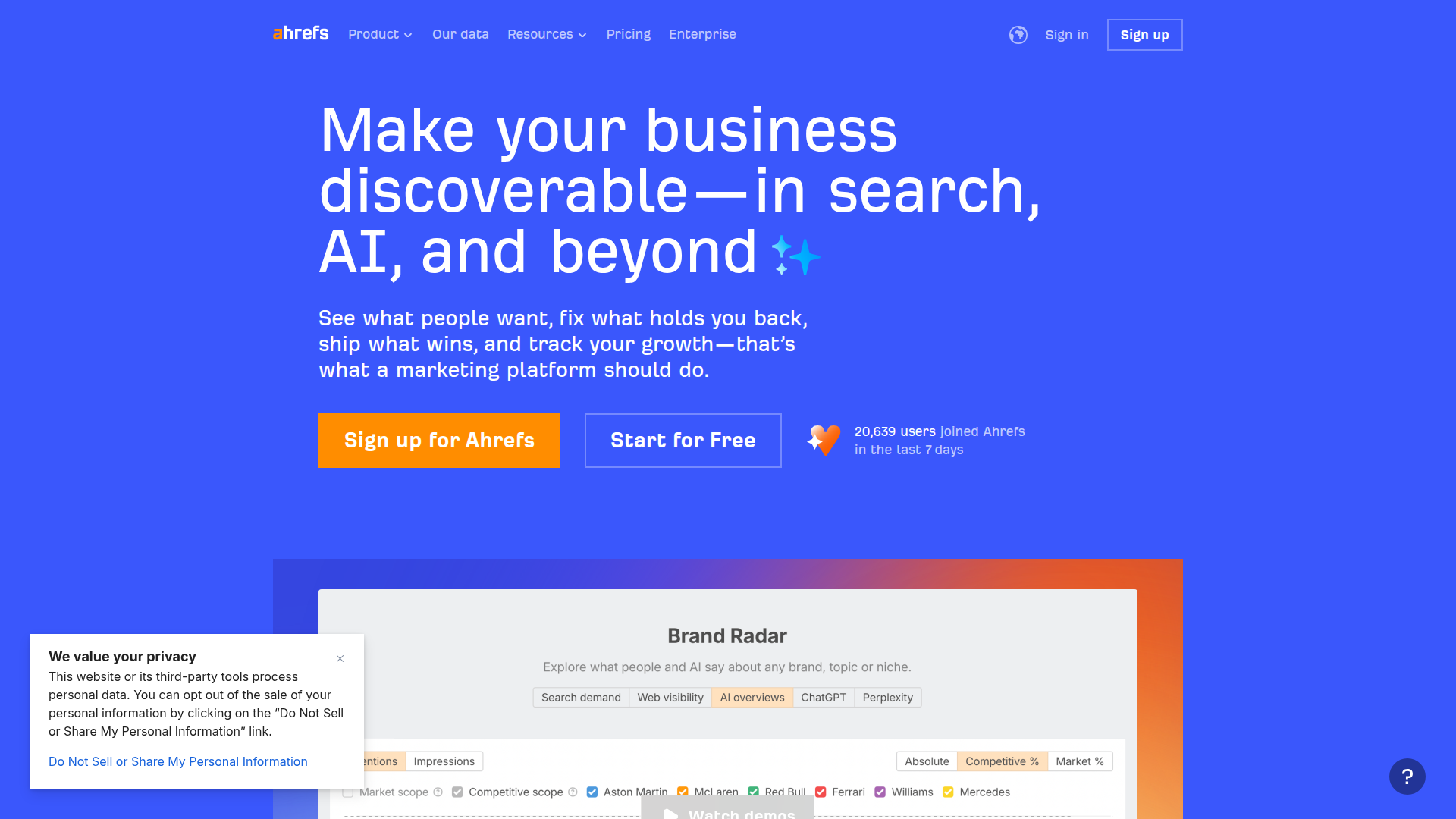
Ahrefs is known for backlink data, but it also includes rank tracking and site auditing. Agencies often use it to answer tough questions about authority, link growth, and why a competitor is outranking them.
For white label rank tracker needs, Ahrefs can support reporting exports and client deliverables, but it’s typically chosen for its research depth. If your work leans on link building, digital PR, or competitive backlink analysis, Ahrefs can be a core system.
It’s also useful for content teams. You can connect ranking movement to content updates, internal links, and competitor pages that gained traction.
Key Features
Ahrefs is built around discovery and diagnostics.
Key tools agencies use:
If you need business intelligence for SEO that ties rankings to authority signals, Ahrefs is often on the shortlist.
Pricing
Ahrefs pricing is tiered, with limits tied to tracked keywords, projects, and user seats.
Before you commit, confirm:
Many agencies use Ahrefs for research and audits, then decide if the rank tracking module is enough for client-facing reporting or if they’ll present rankings through a separate reporting tool.
Pros and Cons
Pros & Cons
Moz Pro
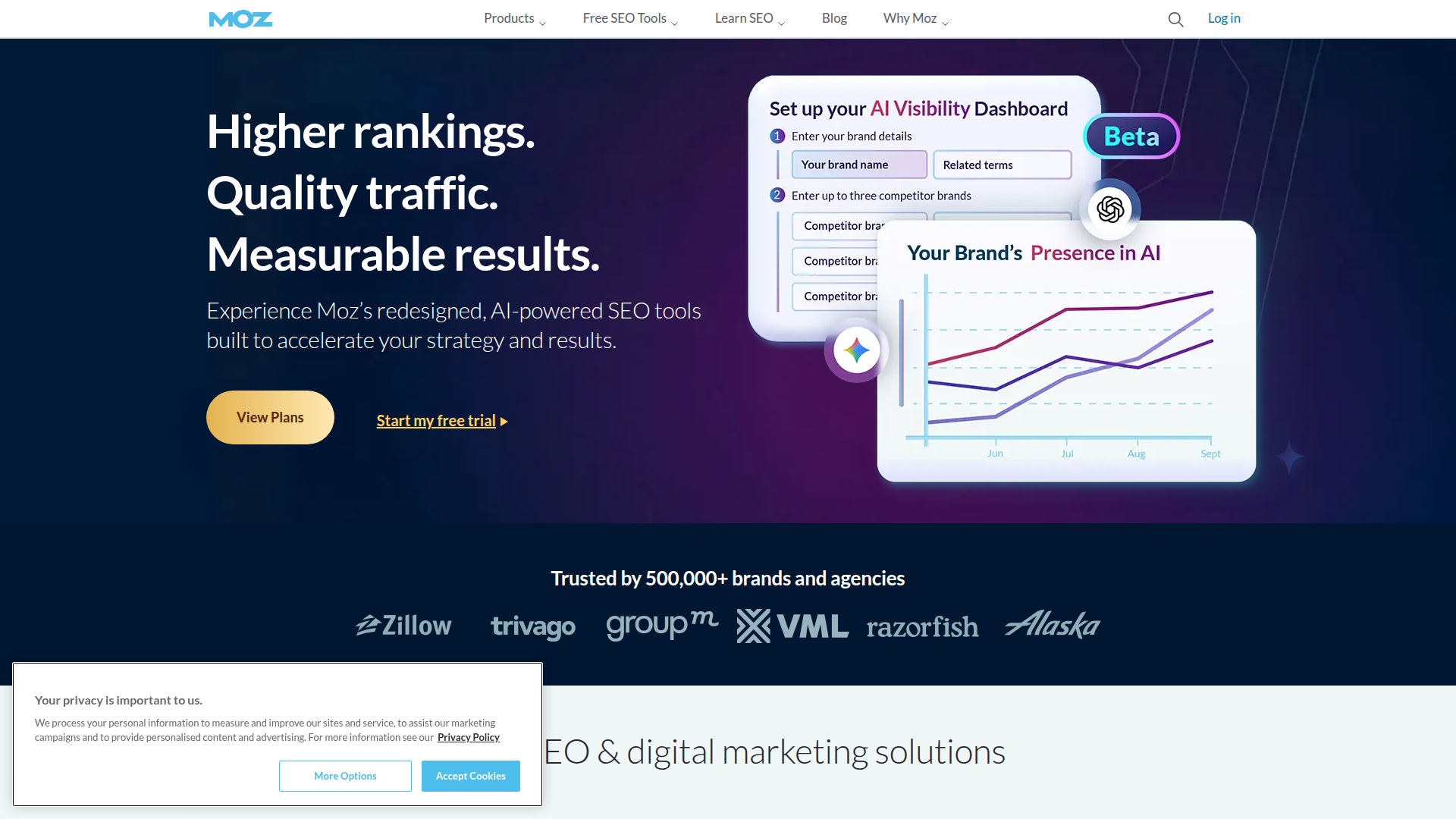
Moz Pro is a long-running SEO platform that balances ease of use with practical features. It’s often chosen by teams that want reliable SEO metrics without a steep learning curve.
For agencies, Moz Pro can cover rank tracking, site audits, and basic research. It’s not always the most granular for enterprise workflows, but it’s approachable for smaller teams and consultants.
If you’re building a repeatable monthly reporting process, Moz Pro can work well, especially when paired with a simple client reporting format. It’s also a good fit when you need a tool that junior team members can learn quickly.
Key Features
Moz Pro focuses on core search engine optimization tasks.
Typical features include:
Moz’s strength is clarity. The interface tends to guide you toward what to fix first, which helps when you’re managing many small to mid-size sites.
Pricing
Moz Pro pricing is usually tiered by campaigns, tracked keywords, and feature access.
When comparing tiers, look at:
If you’re cost-sensitive, map your client count to campaign limits first. That’s often the constraint you hit before anything else.
Pros and Cons
Pros & Cons
SERPstat
SERPstat is an all-in-one SEO platform that often appeals to budget-conscious teams. It covers rank tracking, keyword research, and competitor insights in a single interface.
For agencies that need a white label rank tracker workflow, SERPstat can be part of the solution, especially if you’re comfortable exporting data into your own report templates. It’s also useful when you need to scale across many smaller clients without paying enterprise pricing.
If your main goal is steady rank monitoring plus enough research to plan content, SERPstat can cover a lot of ground.
Key Features
SERPstat blends rank monitoring with research tools.
Common features:
It’s a practical choice when you want one subscription to handle both tracking and planning, even if you don’t need the deepest data in every category.
Pricing
SERPstat pricing is typically tiered by usage, including tracked keywords and projects.
Check:
For agencies, the value often comes from predictable costs when you’re managing many small accounts.
Pros and Cons
Pros & Cons
Rank Ranger
Rank Ranger is built around reporting and customization. Agencies that care about how data looks to clients often consider it because it supports flexible dashboards and report layouts.
As a white label rank tracker, it’s geared toward branded deliverables and ongoing performance tracking software workflows. If you have clients who want weekly calls and detailed slides, the ability to tailor reports can save time.
Rank Ranger is also useful when you manage different verticals. You can create different report templates for local SEO, ecommerce, or SaaS, then reuse them across accounts.
Key Features
Rank Ranger focuses on rank tracking plus presentation.
Key features often include:
If your agency sells reporting as part of the service, the customization options can matter as much as the tracking itself.
Pricing
Rank Ranger pricing commonly scales with tracked keywords, reporting features, and add-ons.
Before choosing a plan, confirm:
Agencies should also estimate growth. A plan that fits today can get tight once you add new locations or expand keyword sets.
Pros and Cons
Pros & Cons
AccuRanker
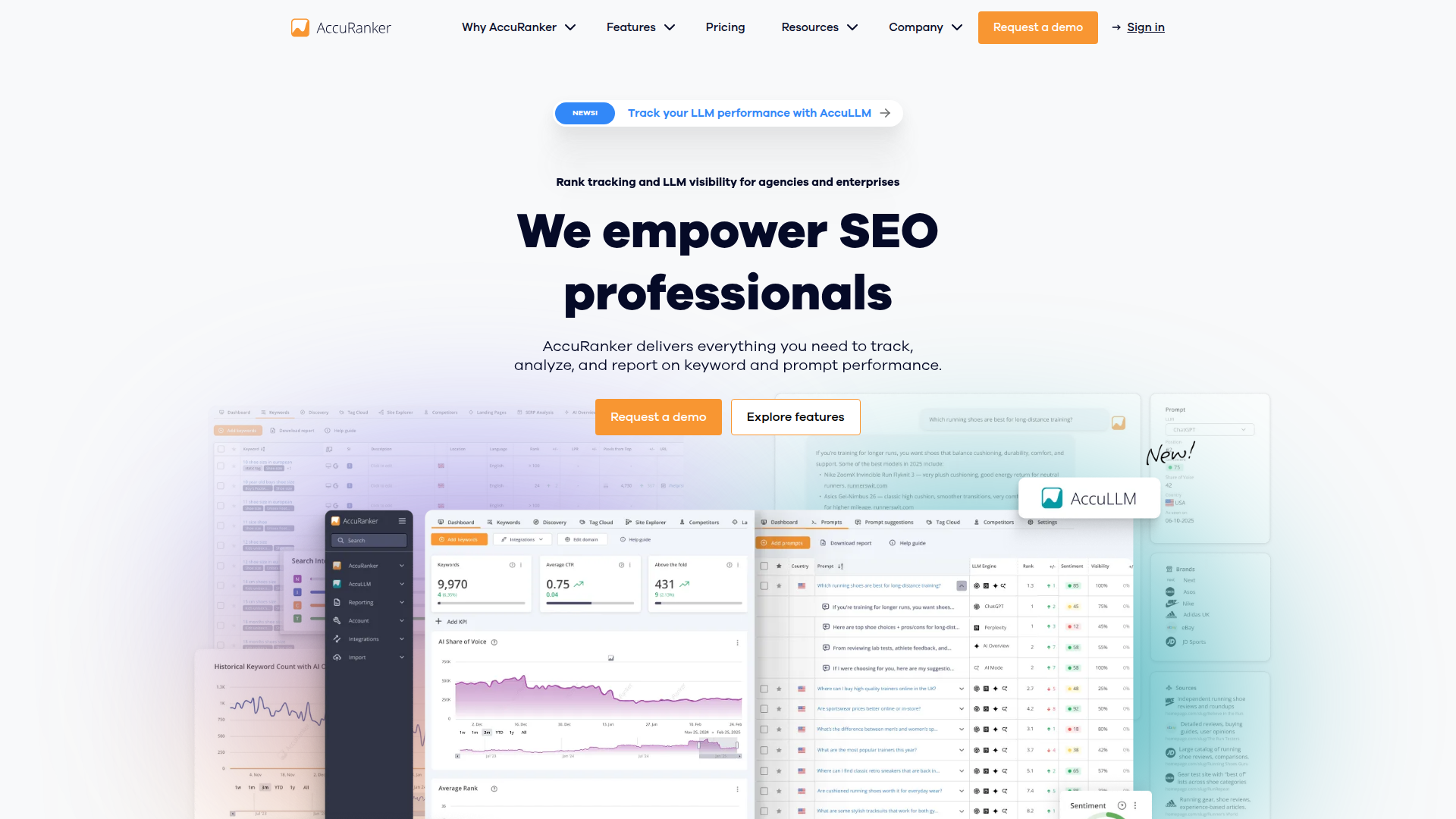
AccuRanker is a dedicated rank tracking platform known for speed and frequent updates. It’s often used by teams that care deeply about ranking movement and want to react quickly.
For a white label rank tracker setup, AccuRanker can support reporting and exports, but it’s primarily a rank monitoring solution rather than a full SEO suite. That’s a plus if you already have separate tools for audits, links, and content.
It’s a strong fit for ecommerce and competitive niches where daily changes matter and you want clean, focused rank data.
Key Features
AccuRanker is built for keyword position tracking at scale.
Typical features include:
If you run weekly performance reviews, segmentation and quick refreshes can make those meetings more concrete.
Pricing
AccuRanker pricing is usually based on the number of keywords tracked and the update frequency.
Plan checks to make:
Because it’s focused, agencies often pair it with another platform for audits and research, then use AccuRanker for the ranking layer.
Pros and Cons
Pros & Cons
AgencyAnalytics
AgencyAnalytics is a reporting platform designed for agencies that manage multiple marketing channels. It includes rank tracking, but the bigger draw is how it pulls data into one client dashboard.
If your clients want a single view of SEO, PPC, social, and email, AgencyAnalytics can reduce the “spreadsheet shuffle.” As a white label rank tracker approach, it works well when rankings are one part of a broader story.
It’s also useful for account managers. They can log in, grab a screenshot-ready chart, and move on to the next client without rebuilding reports each month.
Key Features
AgencyAnalytics is built around client reporting.
Key features often include:
If you run a lot of monthly business reviews, the ability to combine channels can make SEO results easier to defend and easier to understand.
Pricing
AgencyAnalytics pricing is commonly based on the number of client campaigns and add-on integrations.
Look at:
Agencies should map pricing to their retainer model. If you price per client, per-campaign pricing can be easy to pass through.
Pros and Cons
Pros & Cons
ProRankTracker
ProRankTracker is a rank tracking tool that focuses on detailed monitoring and reporting. Agencies often use it when they want lots of tracking options without paying for a full research suite.
As a white label rank tracker, it’s geared toward branded reports and flexible tracking settings. It can be a good match for local SEO providers who need to track many geo-specific keywords.
If your workflow is “track rankings, report to clients, repeat,” ProRankTracker can cover the basics well, especially when you don’t need heavy competitor research.
Key Features
ProRankTracker is centered on rank monitoring.
Common features include:
For local campaigns, the ability to track many variations, like “service + city,” can be the difference between a useful report and a confusing one.
Pricing
ProRankTracker pricing typically scales with keyword volume and tracking frequency.
Before you buy, confirm:
If you manage many small local clients, a plan with generous keyword allowances can matter more than advanced research features.
Pros and Cons
Pros & Cons
SE Ranking
SE Ranking is an all-in-one SEO platform that aims to be affordable while still covering the essentials. It includes rank tracking, site audits, and reporting, which makes it popular with small businesses and smaller agencies.
For a white label rank tracker workflow, SE Ranking can support branded reporting and client access, depending on plan features. It’s often chosen when you want one tool that does “enough” across tracking, audits, and basic research.
If you’re building your first reporting stack, SE Ranking can be a practical starting point before you add more specialized tools.
Key Features
SE Ranking covers core SEO tracking tools in one place.
Typical features:
For teams that need a single login to manage several SEO tasks, the all-in-one approach can reduce tool switching.
Pricing
SE Ranking pricing is usually tiered and can vary based on tracking frequency and keyword volume.
Check:
If you’re cost-sensitive, weekly tracking for long-tail keywords can keep spend down, while still giving clients a clear trend line.
Pros and Cons
Pros & Cons
Final Verdict

Choosing a white label rank tracker comes down to what you promise clients. If your deliverable is a clean, branded report that shows progress and next steps, prioritize reporting quality, scheduling, and multi-client management.
WhitelabelSEOTool is a strong fit when you want agency-first branding and repeatable client reporting. SEMrush and Ahrefs make sense when you need deep research to explain the “why” behind ranking changes. Rank Ranger and AgencyAnalytics are worth a look if presentation and dashboards are a big part of your service.
Before you commit, run a small pilot. Track a real keyword set, add notes for changes you made, and send a report to a friendly client. If they understand it in two minutes, you’ve found the right tool.