How to Buy Backlink Packages: A Complete Guide
Introduction - Introduce the concept of buying backlink packages and their importance in SEO.

If you’re considering how to buy backlink packages, you’re not alone—many small businesses and marketing teams use packaged link acquisition to speed up SEO results. The challenge is that not all packages are built the same, and the wrong decision can waste budget or create risk.
At a high level, when you buy backlink packages, you’re paying for a defined set of links (often with a promised quantity, type, and timeline) intended to improve search engine ranking, domain authority signals, and organic traffic. In practice, the outcome depends on backlink quality, relevance, placement context, and whether the links align with white hat SEO standards.
This guide is written for transactional intent: you want to buy backlink packages and you want a clear, repeatable way to evaluate providers, estimate ROI, avoid penalties, and track results. We’ll cover link building strategies, cost analysis, overlooked factors (like anchor text distribution and link velocity), and real-world examples. We’ll also walk through tools that help you plan, vet, and monitor campaigns—because the smartest way to buy backlink packages is to treat it like a measurable acquisition channel, not a one-time purchase.
> Important framing: Google’s guidelines discourage manipulative link schemes. When you buy backlink packages, the safest approach is to prioritize editorially placed, relevant links that exist because content deserves to be referenced—not because a footprinted network needs to sell inventory. The rest of this article focuses on how to buy in a way that reduces risk and increases the odds of durable gains.
Key Benefits - Discuss the various advantages of purchasing backlink packages.

When you buy backlink packages thoughtfully, you’re essentially outsourcing parts of link acquisition: prospecting, outreach, negotiation, content placement, and follow-up. Done well, packages can support digital marketing goals without requiring a full-time link builder.
1) Faster execution than DIY outreach
Cold outreach is slow: finding prospects, validating sites, pitching, and following up can take weeks. If you buy backlink packages, you can often start placements within days—useful for new pages that need initial traction.
2) Predictable budgeting and planning
A package typically defines deliverables (e.g., number of referring domains, content placements, or niche edits). That predictability helps marketing teams forecast spend and align SEO packages with quarterly goals. If you buy backlink packages as part of a broader content marketing plan, you can map links to specific landing pages and topics.
3) Access to relationships and inventory
Some providers have established publisher relationships that are hard to replicate quickly. When you buy backlink packages, you may gain access to sites that rarely respond to cold outreach—especially in competitive niches.
4) Support for authority and topical relevance
High-quality links from relevant sites can strengthen perceived expertise and improve online visibility. The key is relevance: a few strong, contextually placed links can outperform many weak ones. If you buy backlink packages, insist on topical alignment and real editorial context.
5) Better competitor parity
Competitor analysis often reveals that ranking pages have a baseline number of referring domains. When you buy backlink packages, you can close gaps faster—especially if competitors are actively building links.
6) Operational efficiency for small teams
Small business owners rarely have time for link building strategies. If you buy backlink packages, you can focus internal effort on product, customer experience, and content creation while still moving SEO forward.
Bottom line: the benefits of buy backlink packages show up when the package is built around backlink quality, relevance, and measurable outcomes—not just link counts.
How to Get Started - Step-by-step guide on how to begin purchasing backlink packages.
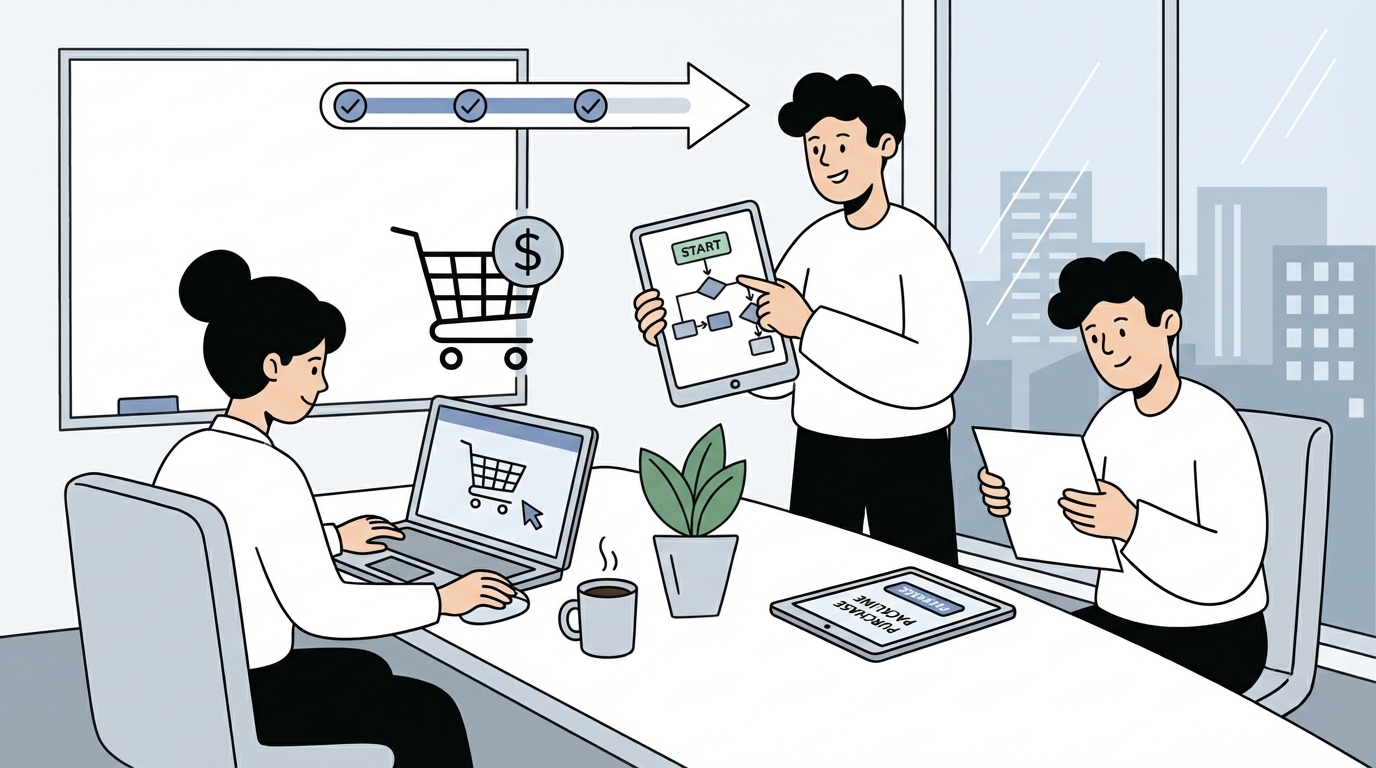
To buy backlink packages without guesswork, use a structured intake process. Think of it like hiring: you’re evaluating fit, risk, and expected performance.
Step 1: Define the goal and the pages you’re supporting
Before you buy backlink packages, decide what success means:
Pick 3–8 target URLs (money pages + supporting content). Packages work better when links are distributed intentionally.
Step 2: Establish quality requirements (non-negotiables)
When you buy backlink packages, set minimum standards:
Step 3: Decide package type
Common options when you buy backlink packages:
Step 4: Vet providers with a checklist
Ask for:
If a provider won’t share examples, don’t buy backlink packages from them.
Step 5: Run a small pilot
Start with a smaller order (e.g., 5–10 links) before scaling. When you buy backlink packages in phases, you can validate quality and process.
Step 6: Track outcomes beyond rankings
Measure:
Tools like Rankpeak (workflow + fulfillment) and platforms like Ahrefs/SEMrush (backlink analysis) help you evaluate whether the decision to buy backlink packages is paying off.
Step 7: Iterate: refine targets, anchors, and velocity
The most overlooked factor when you buy backlink packages is link velocity—how quickly links appear. Keep growth natural and aligned with content publishing cadence.
Best Practices - Explore best practices when buying backlinks to maximize SEO benefits.
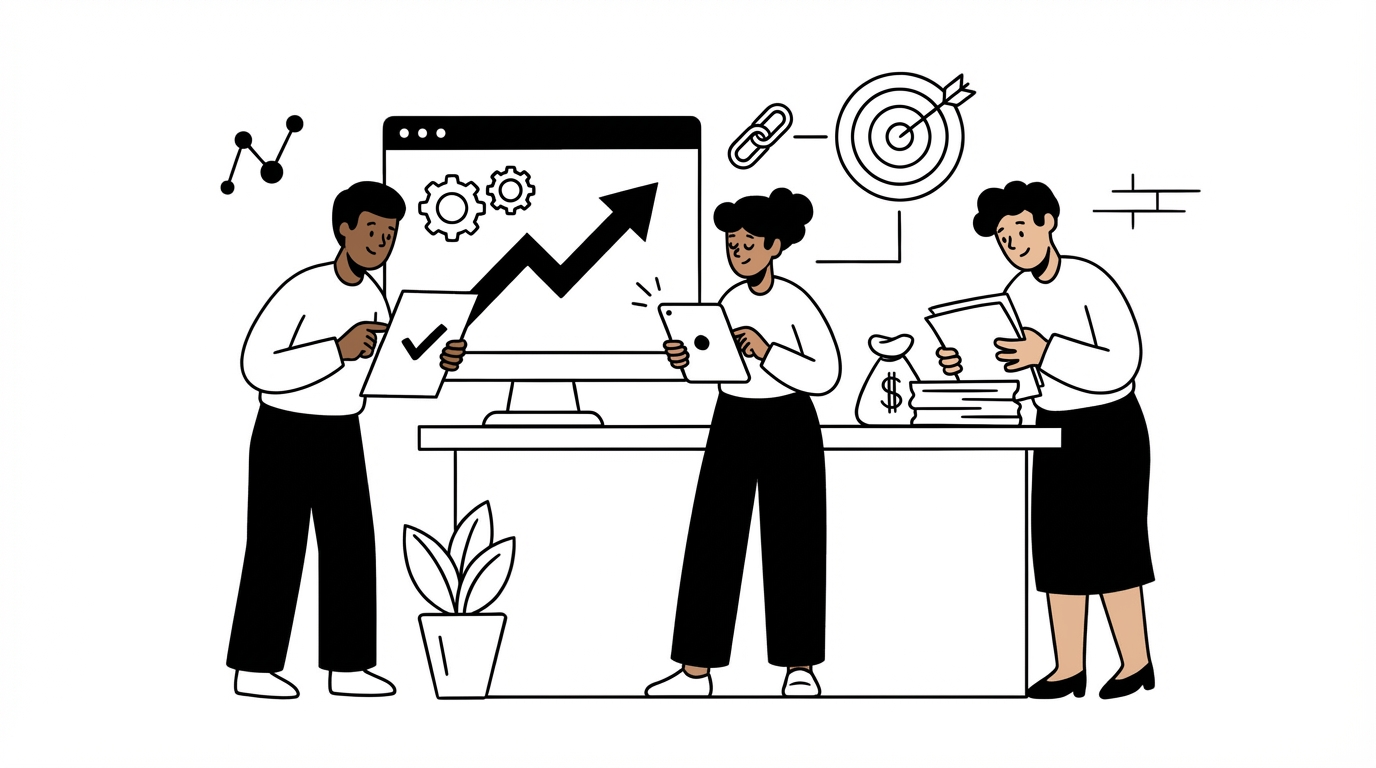
If you’re going to buy backlink packages, treat it like risk-managed procurement. The goal is durable ranking improvements, not short-term spikes.
Prioritize relevance over metrics
Domain authority-style metrics can be helpful, but they’re not Google’s metric. When you buy backlink packages, prioritize:
Use conservative anchor text distributions
A common penalty trigger is over-optimized anchors. When you buy backlink packages, aim for:
Avoid footprints and “too-good-to-be-true” promises
Red flags when you buy backlink packages:
Demand transparency in reporting
Every time you buy backlink packages, you should receive:
Build links to content that deserves links
The safest way to buy backlink packages is to support linkable assets:
If you only point links at sales pages, you’ll need more links to move the needle and you’ll increase risk.
Cost analysis: what you’ll typically pay
Pricing varies by niche and quality. When you buy backlink packages, a rough range is:
ROI lens: If one strong placement helps a page move from position 11 to 5 for a keyword that drives qualified leads, the payback can be substantial. But if you buy backlink packages that don’t index or sit on low-quality pages, ROI can be negative.
Mini case study: local service business
A regional HVAC company decided to buy backlink packages focused on local publications + home improvement blogs. They paired 8 guest posts with a “Seasonal Maintenance Checklist” asset and improved organic traffic by ~28% over 12 weeks, with leads up ~14% (seasonality considered). The key wasn’t volume—it was relevance and a linkable asset.
Mini case study: SaaS content hub
A B2B SaaS team chose to buy backlink packages for 6 supporting articles (not the pricing page). After 10–12 contextual links and internal linking improvements, 3 articles entered the top 10, and assisted signups increased. The takeaway: links + internal structure beat links alone.
User review patterns to look for
When reading reviews before you buy backlink packages, look for specifics:
Generic “great service” reviews are less useful than operational details.
Rankpeak: Backlink Solutions
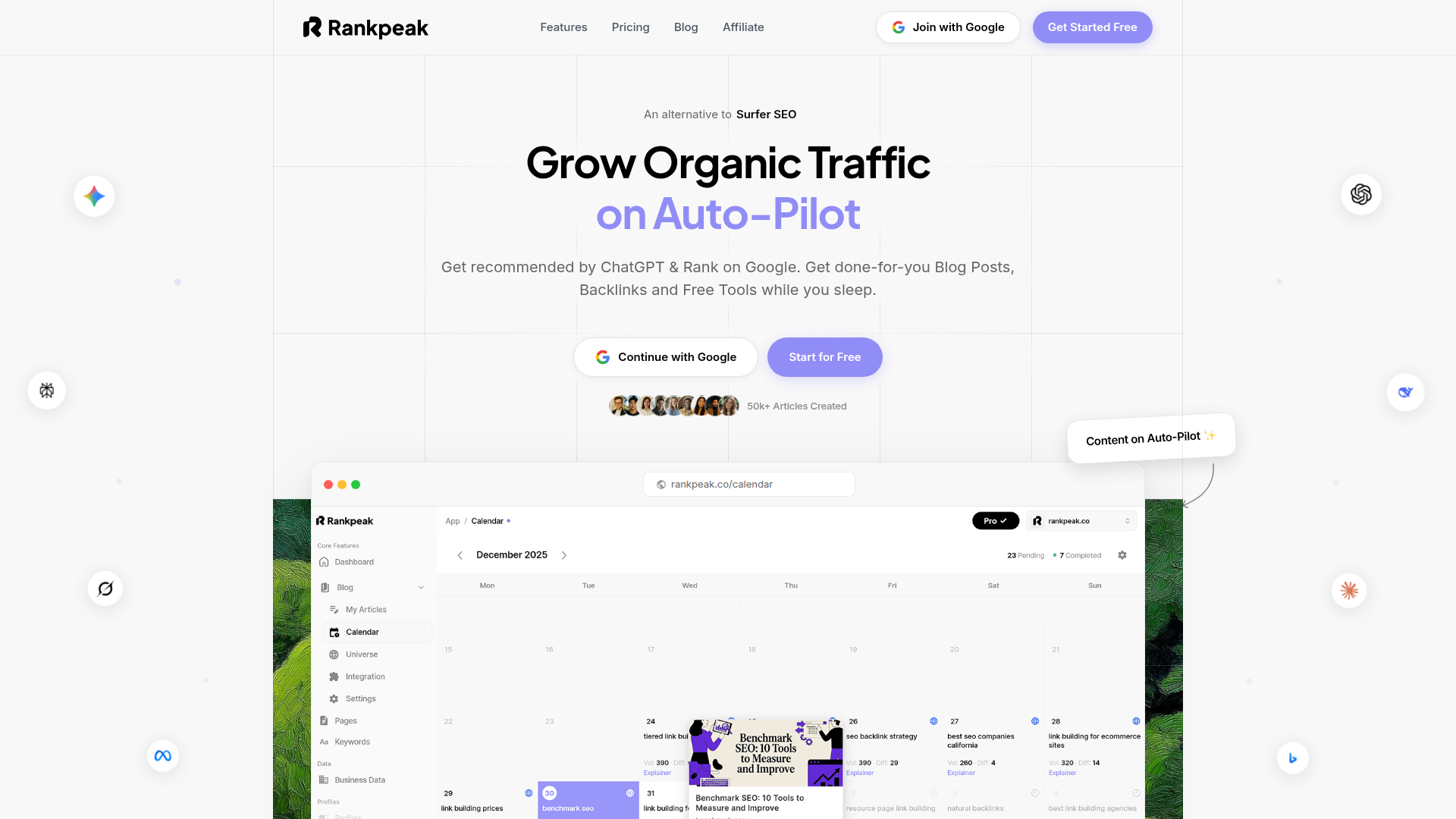
If you want to buy backlink packages with fewer moving parts, Rankpeak is designed around a practical workflow: define targets, set quality constraints, place orders, and track deliverables in a way that’s easy to audit later. For small business owners and lean marketing teams, that operational clarity matters as much as the links themselves.
How Rankpeak streamlines buying backlink packages
When teams buy backlink packages, the most time-consuming steps are usually (1) aligning on what “quality” means, (2) keeping anchor text and target URLs organized, and (3) validating that placements match what was promised. Rankpeak focuses on making those steps explicit:
Practical walkthrough: using Rankpeak to buy backlink packages
A simple way to start:
1. Choose your target URLs: Pick 3–6 pages (one primary money page and several supporting guides).
2. Set anchor text rules: Define branded and URL anchors as the default, then allow a limited number of partial-match anchors.
3. Select package scope: Decide how many placements you need this month based on competitor analysis and your content publishing cadence.
4. Approve placements and content direction: Ensure topics match your audience and that links will be placed in relevant sections of the article.
5. Track outcomes: After you buy backlink packages, monitor indexation, referring domains, and ranking movement for the target cluster.
Time and effort considerations
Rankpeak is most helpful when you’re trying to reduce coordination overhead. Instead of managing spreadsheets, email threads, and inconsistent reports, you can keep link acquisition organized. That doesn’t eliminate the need for judgment—someone still needs to review target pages, approve topics, and watch anchor distribution—but it can cut the weekly admin burden substantially.
Expected outcomes (and what’s realistic)
When you buy backlink packages through a structured process, the most realistic early wins are:
For competitive head terms, expect a longer runway and a need for content improvements alongside links.
Pros / cons to consider
Pros
Cons
If you’re ready to buy backlink packages with a process you can measure, start with a small pilot in Rankpeak, review the first placements for relevance and indexation, then scale only after you see consistent quality. Call to action: set up a pilot campaign in Rankpeak with a handful of target URLs and a conservative anchor plan, then evaluate results after 30–60 days before expanding.
SEMrush Link Building Tool - An overview of SEMrush tools including its features, pricing, and pros/cons.
SEMrush doesn’t sell placements in the way a provider does, but it’s useful if you buy backlink packages and want to validate opportunities, track link acquisition, and run competitor analysis.
Key features
How it helps when you buy backlink packages
If you buy backlink packages, SEMrush can help you:
Pricing (typical)
SEMrush is subscription-based with tiered plans (often starting around the low hundreds per month depending on promotions and limits). Exact pricing changes frequently.
Pros / cons
Pros
Cons
If you’re planning to buy backlink packages regularly, SEMrush is most valuable as your monitoring and planning layer rather than the purchasing mechanism.
Ahrefs: Backlink Analysis - Details about Ahrefs, focusing on features, pricing, and pros/cons.
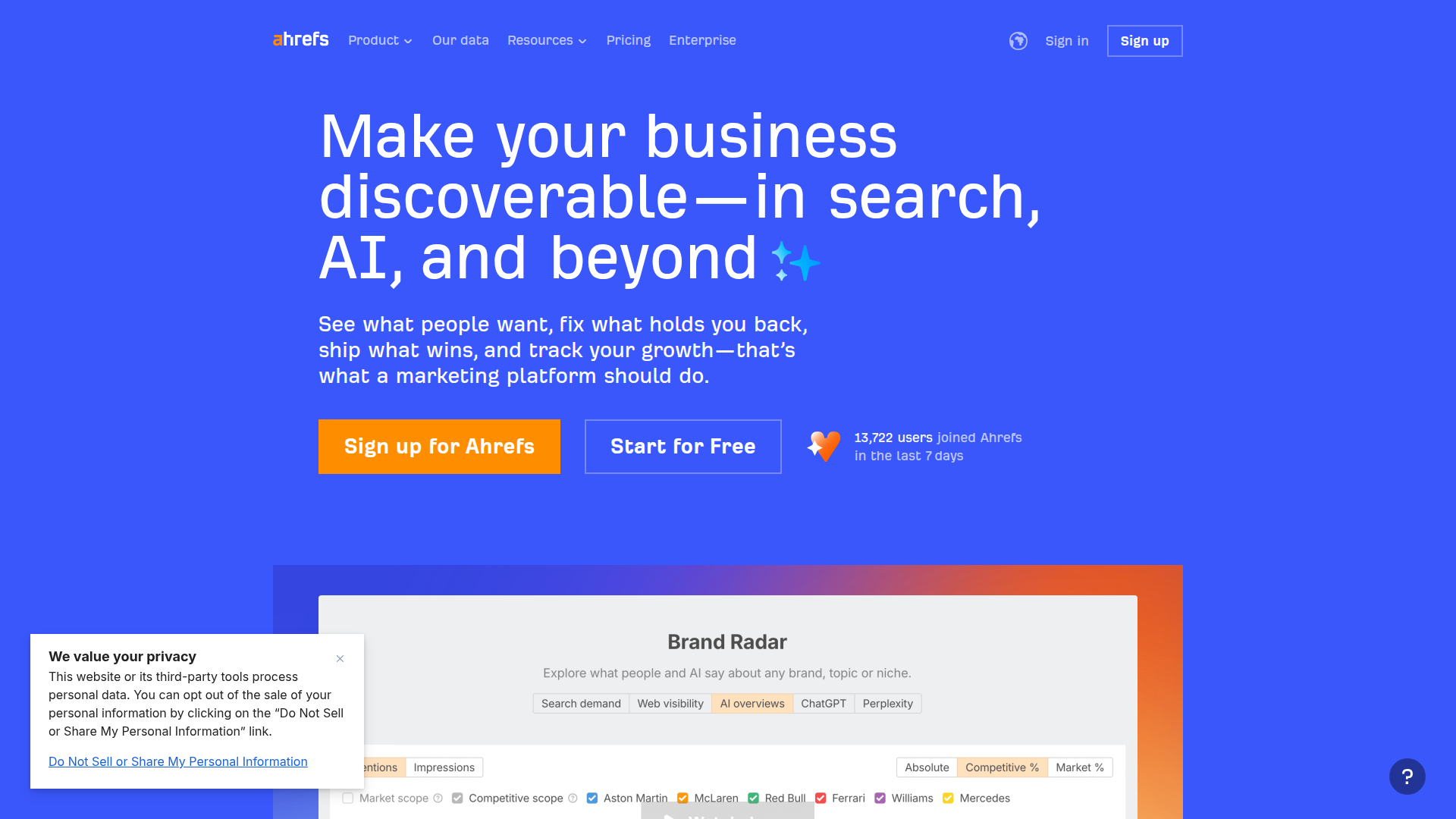
Ahrefs is widely used for backlink analysis and is particularly helpful when you buy backlink packages and need to verify link quality, track new/lost links, and evaluate referring domains.
Key features
How it helps when you buy backlink packages
When you buy backlink packages, Ahrefs can help you:
Pricing (typical)
Ahrefs is subscription-based with tiered plans. Pricing varies by plan limits and user seats.
Pros / cons
Pros
Cons
If your plan is to buy backlink packages over multiple quarters, Ahrefs can pay for itself by helping you avoid low-value placements and by guiding smarter link acquisition.
Moz Pro: Advanced SEO Metrics - Information on Moz Pro's features, pricing, and pros/cons.
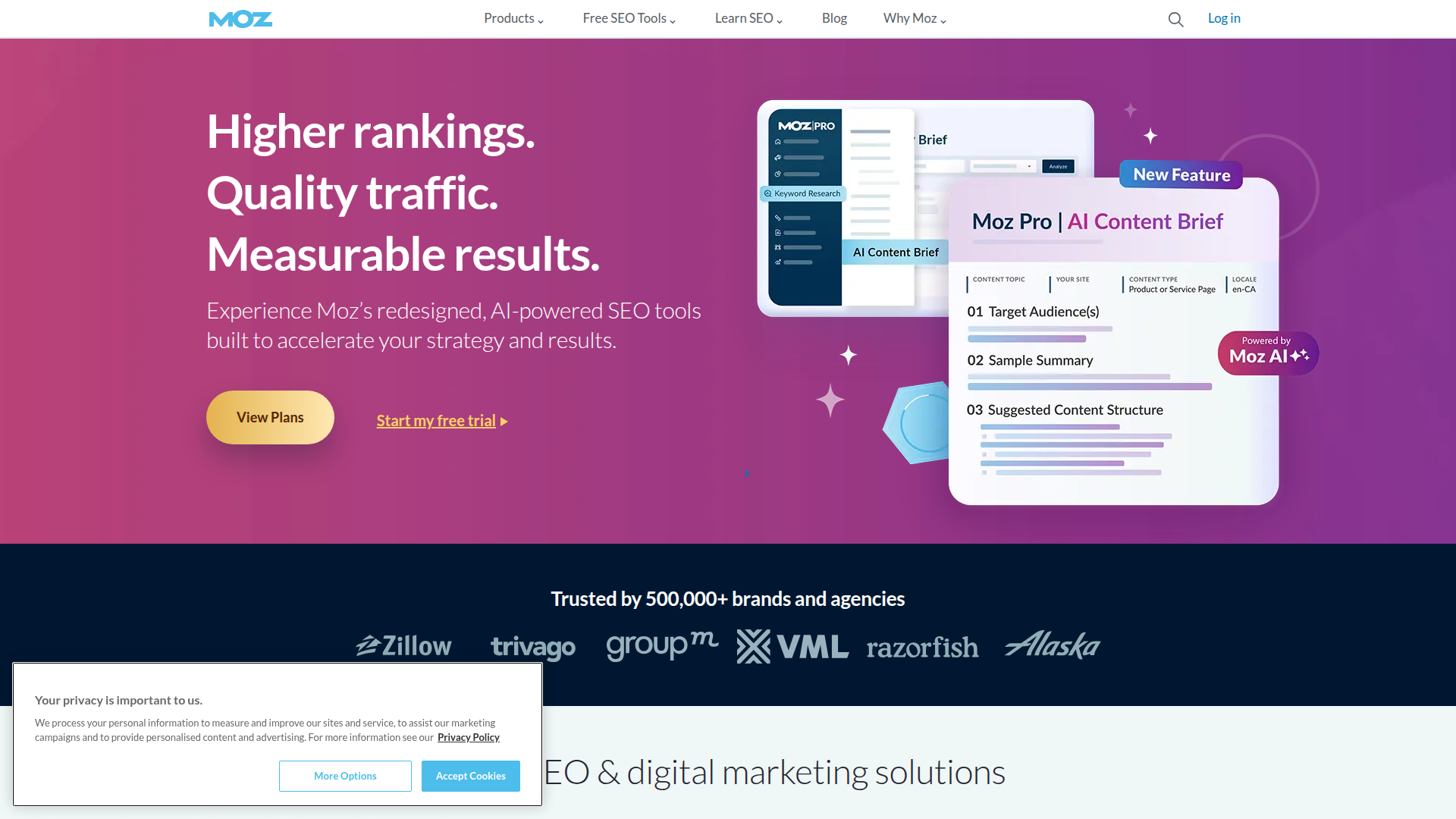
Moz Pro is a long-standing SEO platform known for domain authority-style metrics and a broad toolkit. If you buy backlink packages, Moz can help you track link growth and evaluate overall SEO health.
Key features
How it helps when you buy backlink packages
When you buy backlink packages, Moz Pro can help you:
Pricing (typical)
Moz Pro is subscription-based with multiple tiers. Pricing changes over time.
Pros / cons
Pros
Cons
If you buy backlink packages, Moz Pro is most useful when you pair link monitoring with technical fixes so the authority you build actually translates into search engine ranking gains.
BuzzSumo: Content-Driven SEO - Explore BuzzSumo’s SEO tools with features, pricing, and pros/cons.
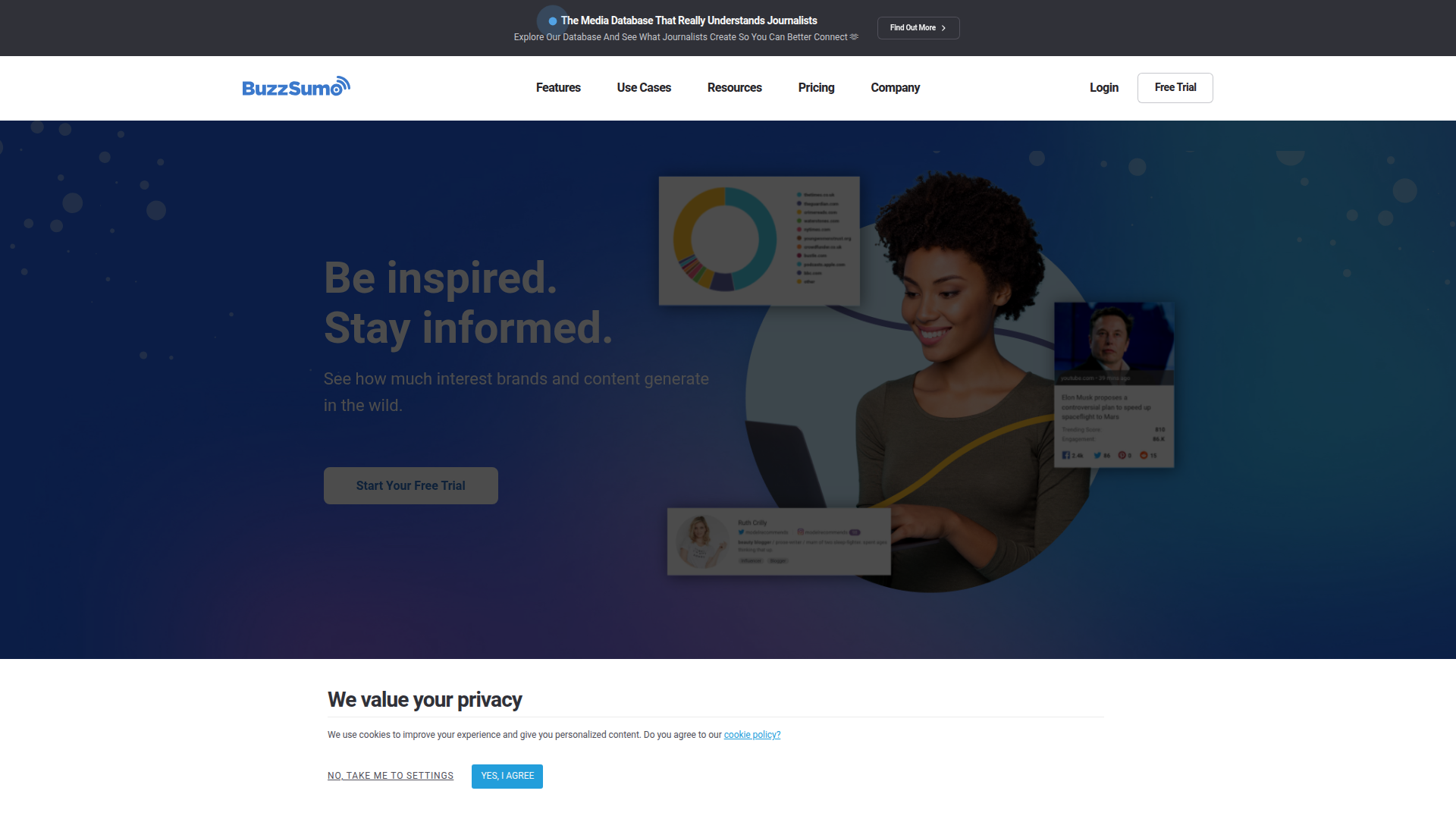
BuzzSumo is content-focused: it helps you find topics that earn links and identify publishers who might reference your work. It’s not a direct way to buy backlink packages, but it can improve the quality of what you’re promoting so purchased placements perform better.
Key features
How it helps when you buy backlink packages
If you buy backlink packages, BuzzSumo can help you:
Pricing (typical)
BuzzSumo is subscription-based and generally priced for professional marketing use.
Pros / cons
Pros
Cons
If your plan is to buy backlink packages and also build organic editorial momentum, BuzzSumo can guide the content side of the equation.
Linkody: Essential Backlink Checks - A breakdown of Linkody's features, pricing, and pros/cons.
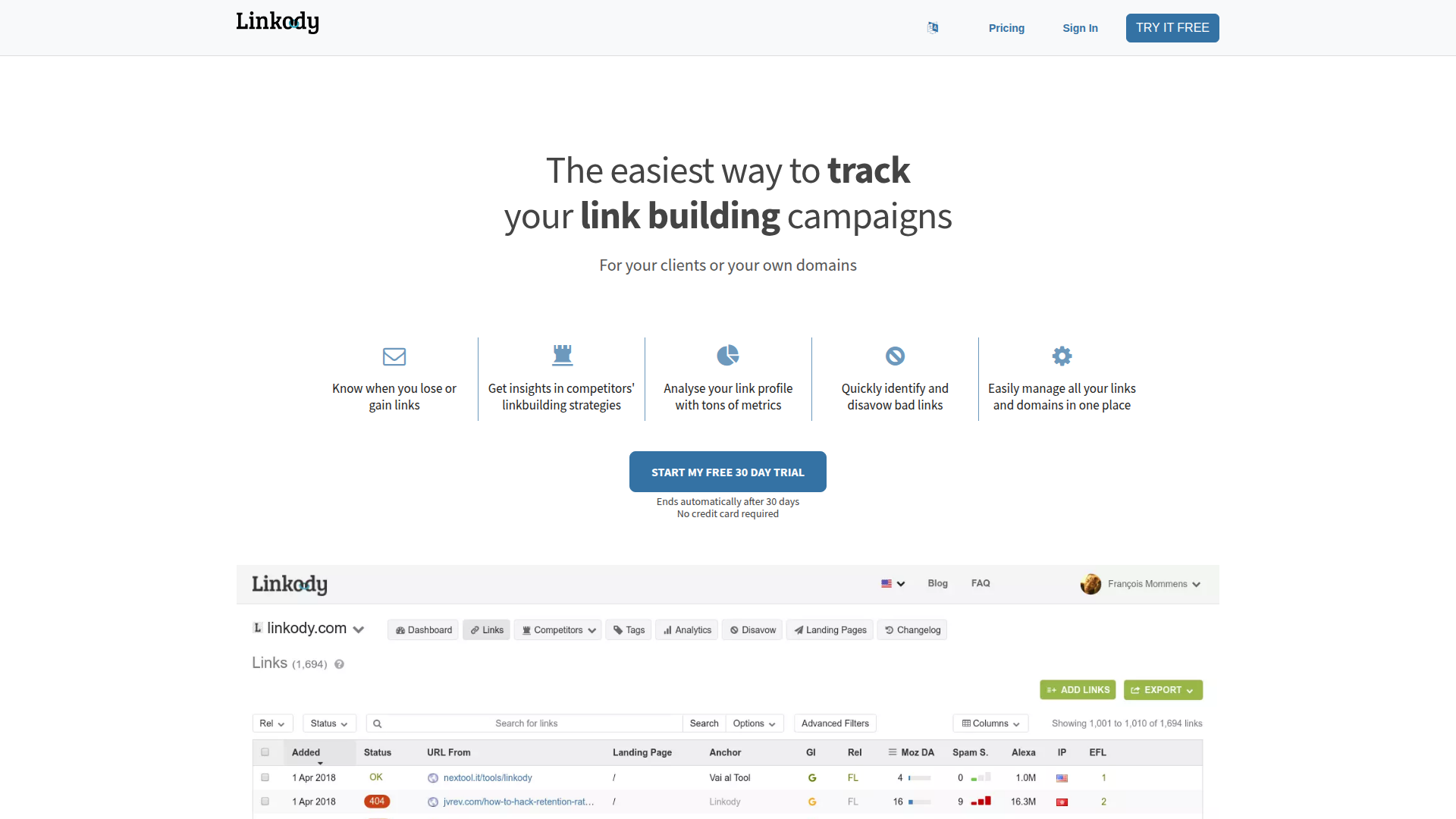
Linkody is a lightweight backlink monitoring tool that can be useful if you buy backlink packages and want a simpler way to track whether links stay live and how your profile changes over time.
Key features
How it helps when you buy backlink packages
When you buy backlink packages, Linkody can help you:
Pricing (typical)
Linkody is generally more affordable than enterprise SEO suites, with tiered plans based on domain count and link volume.
Pros / cons
Pros
Cons
If you buy backlink packages occasionally and mainly need monitoring, Linkody can cover the essentials without the overhead of a larger suite.
Monitor Backlinks: Simplified Monitoring - Details on Monitor Backlinks covering features, pricing, and pros/cons.
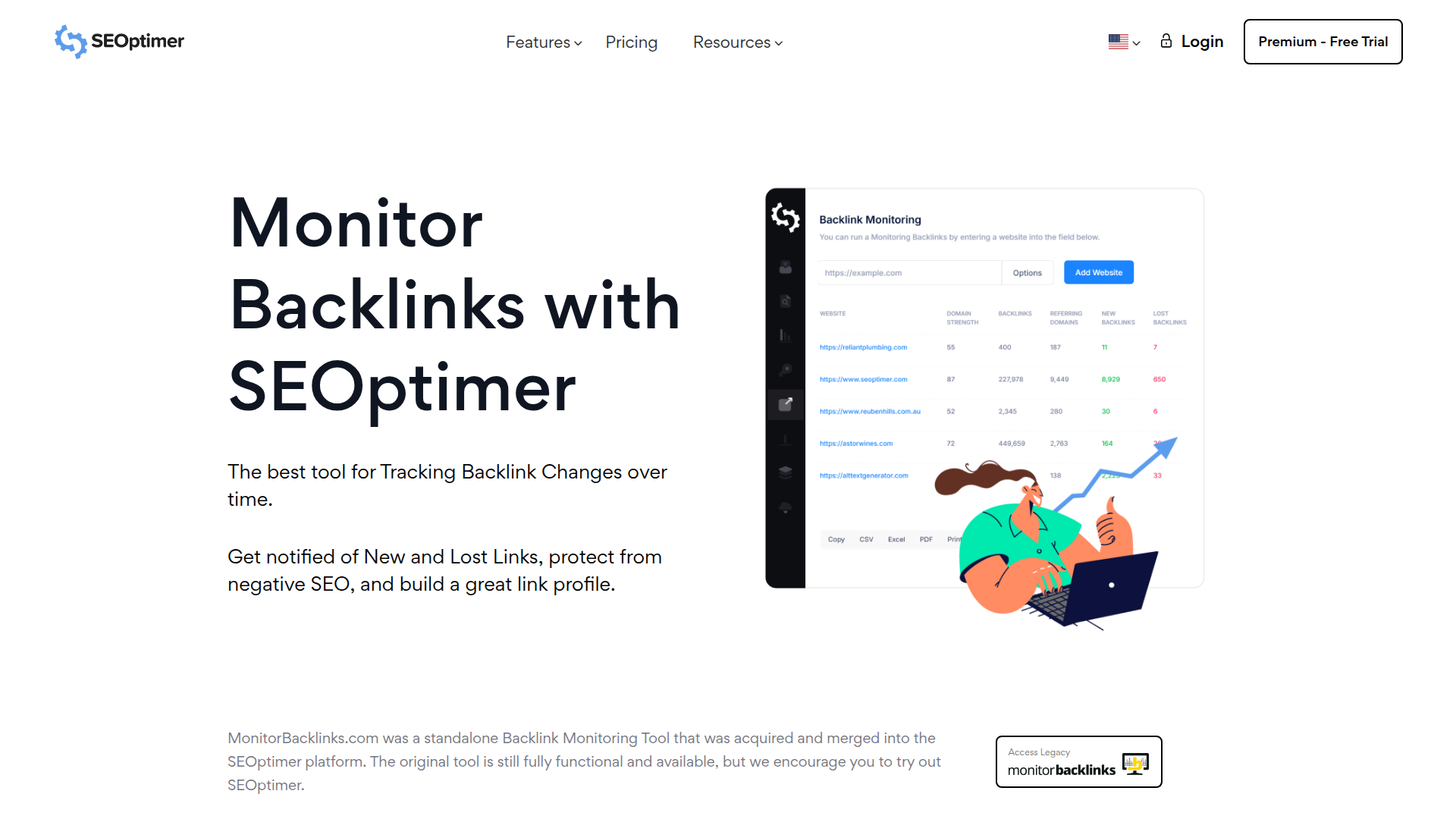
Monitor Backlinks focuses on tracking your backlink profile and competitor links. It’s useful if you buy backlink packages and want ongoing visibility into what changed and whether it’s helping.
Key features
How it helps when you buy backlink packages
After you buy backlink packages, Monitor Backlinks can help you:
Pricing (typical)
Subscription-based with tiers depending on tracked domains and link volume.
Pros / cons
Pros
Cons
If you buy backlink packages and want a simple “control panel” for link changes, Monitor Backlinks is a reasonable monitoring layer.
Majestic SEO: In-Depth Analysis - Discuss Majestic SEO’s advanced metrics, features, pricing, and pros/cons.
Majestic is specialized for link intelligence and is known for proprietary metrics like Trust Flow and Citation Flow. If you buy backlink packages, Majestic can help you evaluate link neighborhoods and spot patterns that other tools may not highlight as clearly.
Key features
How it helps when you buy backlink packages
When you buy backlink packages, Majestic can help you:
Pricing (typical)
Subscription-based with tiers. Often positioned as a specialist tool alongside other SEO platforms.
Pros / cons
Pros
Cons
If you buy backlink packages at scale, Majestic can be a useful second opinion for backlink quality and topical fit.
Conclusion - Summarize the article content and encourage informed purchasing of backlink packages.
To buy backlink packages effectively, you need three things: a clear goal (which pages and keywords you’re supporting), a quality standard (relevance, editorial context, indexation, and conservative anchors), and a monitoring plan (so you can confirm links stay live and correlate with performance).
The safest way to buy backlink packages is to treat them as one part of a broader SEO system: strong content marketing, solid technical SEO, and internal linking that helps authority flow to the pages that matter. Cost analysis matters too—cheap links often cost more in the long run if they don’t index, don’t drive value, or introduce risk.
If you’re ready to buy backlink packages, start small, measure outcomes over 30–90 days, and scale only when you see consistent backlink quality and stable gains. Tools like Ahrefs, SEMrush, Moz, Majestic, and monitoring platforms can help you validate results, while workflow-driven options like Rankpeak can reduce the operational friction that often makes link acquisition messy.
Done carefully, buy backlink packages can support online visibility and organic traffic growth—without turning your SEO into a gamble.