Backlink Outreach: Step-by-Step Guide for SEO
Introduction to Backlink Outreach - Introduce the concept of backlink outreach and its importance in SEO strategies.
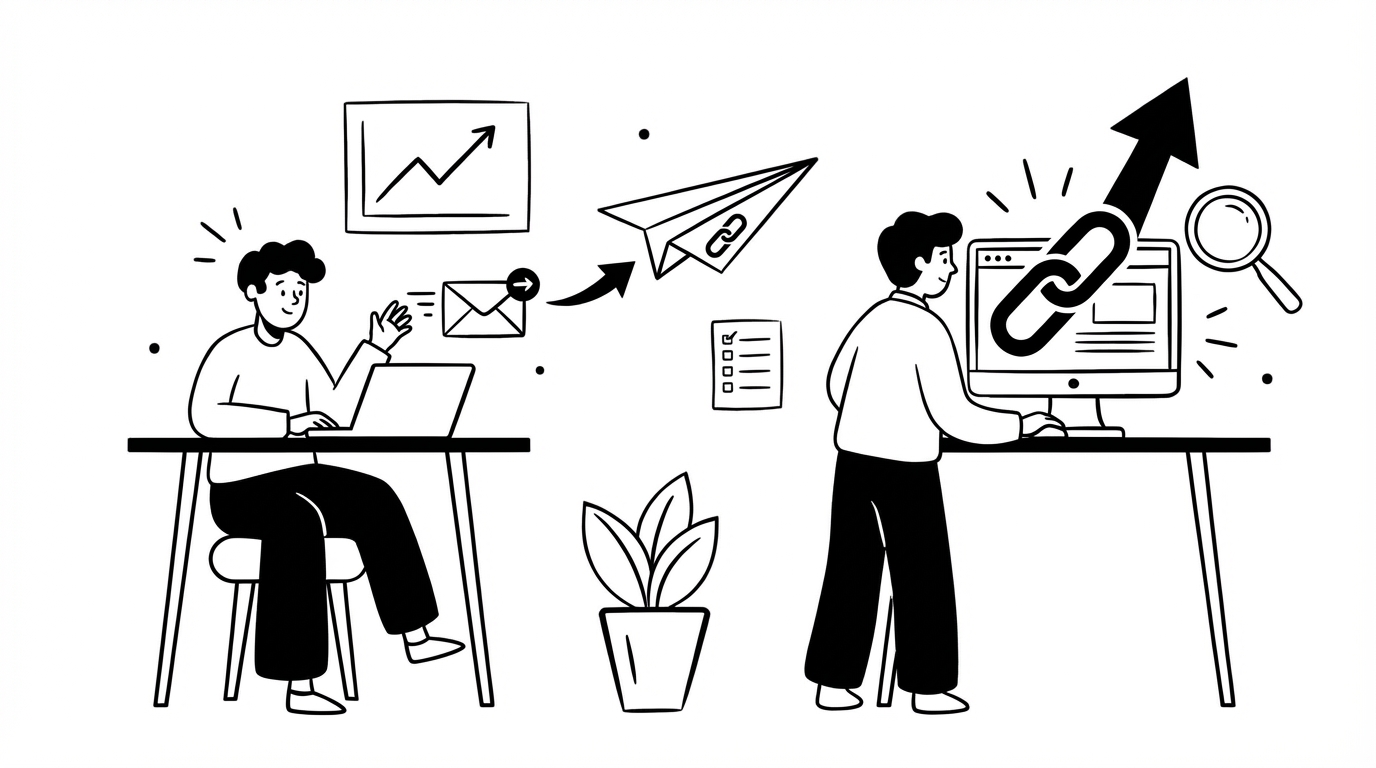
Backlink outreach is the process of contacting relevant website owners, editors, and creators to earn links to your content. Done well, backlink outreach improves online visibility, supports SEO optimization, and drives traffic generation by helping search engines trust your pages.
Backlink outreach matters because links remain a strong signal of authority and relevance. But modern backlink outreach is not about blasting link requests—it’s about relationship building, audience engagement, and offering genuine value through content marketing. In this guide, you’ll learn a practical, ethical backlink outreach workflow you can repeat across outreach campaigns.
What backlink outreach can (and can’t) do
Backlink outreach can:
Backlink outreach can’t:
A quick mental model
Think of backlink outreach as a value exchange:
1) You create something useful (data, guide, tool, perspective, story).
2) You find people whose audience benefits from it.
3) You communicate clearly and respectfully.
4) You make it easy to link—without pressure.
Backlink outreach is most effective when it’s integrated with link building strategies, keyword research, and content marketing so you’re not asking for links to pages that don’t deserve them.
Key Concepts in Backlink Outreach - Explain fundamental concepts and types of backlink outreach techniques.
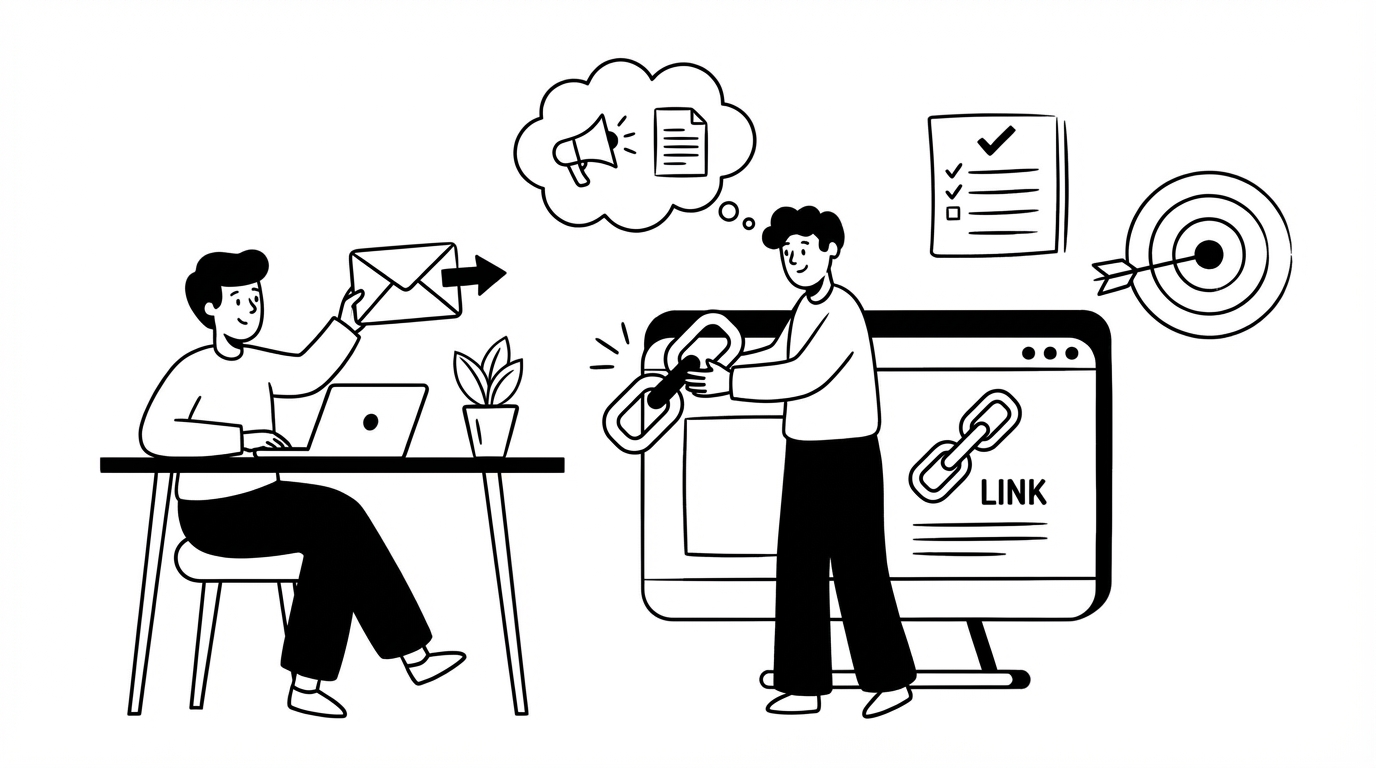
Backlink outreach works best when you understand the core concepts behind why people link. Backlink outreach is not one tactic—it’s a set of outreach campaigns designed to earn editorial mentions.
Core concepts that drive backlink outreach
Common backlink outreach techniques (and when to use them)
1) Resource page outreach
Backlink outreach to pages that list helpful resources. Works well for evergreen guides, checklists, and educational content.
2) Guest blogging (selective and editorial)
Guest blogging can be part of backlink outreach when the goal is to contribute a genuinely useful article to a relevant publication. Avoid thin content or sites built only for links.
3) Broken link outreach
Backlink outreach that identifies dead links on a target page and suggests your content as a replacement. Works best when your replacement is clearly equivalent or better.
4) Unlinked brand mention outreach
Backlink outreach to sites that mention your brand but don’t link. This is often one of the highest-intent outreach campaigns because they already referenced you.
5) Skyscraper-style outreach (improvement-based)
Backlink outreach that presents a more current, more complete resource than what’s currently linked. Ethically, this works when you truly add something new.
6) Influencer outreach and expert quotes
Backlink outreach to creators and subject-matter experts for collaboration (quotes, roundups, interviews). This supports relationship building and audience engagement.
Link quality basics for backlink outreach
Backlink outreach should prioritize:
Ethical considerations in backlink outreach
Ethical backlink outreach avoids:
Backlink outreach should be transparent: you’re requesting consideration, not demanding placement. This approach aligns with long-term SEO optimization and reduces risk from algorithm updates.
Step 1: Research Target Websites - Guide readers on how to identify potential websites for outreach.
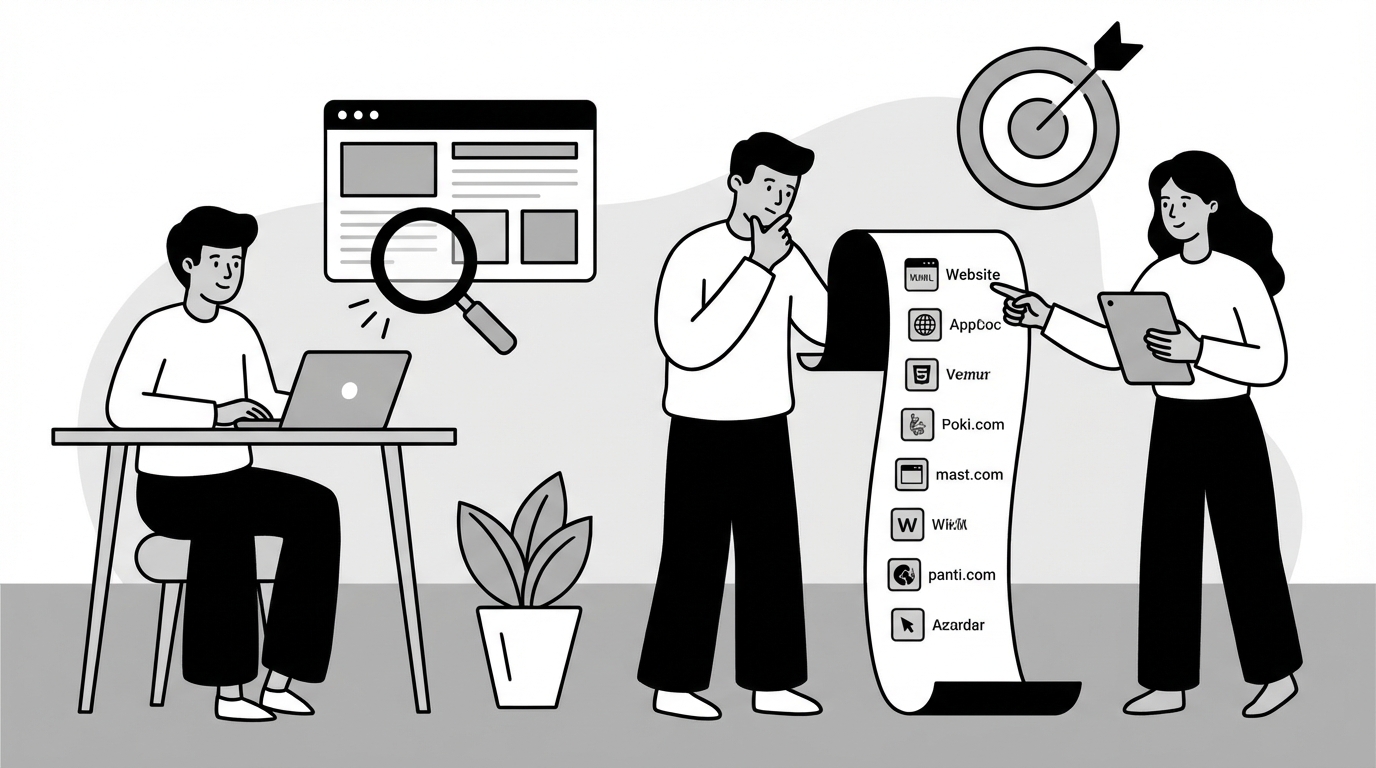
Backlink outreach starts with research. If you target the wrong sites, even perfect emails won’t convert. Strong backlink outreach research finds websites that are relevant, credible, and likely to link.
1) Define your backlink outreach goal
Before building a list, decide what your backlink outreach is trying to achieve:
Your goal determines the right targets and the right pitch.
2) Choose linkable assets for backlink outreach
Backlink outreach works best when you’re promoting something link-worthy:
If you’re doing backlink outreach for a commercial page, consider supporting it with a strong informational asset and earning links to that asset first.
3) Build a prospecting checklist
For each target, evaluate:
Backlink outreach is about fit and intent, not just metrics.
4) Find targets using search operators (manual, reliable)
Use keyword research to identify pages that already link to resources like yours. For backlink outreach, try queries such as:
"keyword" + "resources""keyword" + "useful links""keyword" + "recommended""keyword" + "statistics""keyword" + "guide"Then qualify each page for backlink outreach using the checklist above.
5) Identify the right contact for backlink outreach
Backlink outreach improves when you contact the person who can actually edit the page:
Look for author bios, editorial pages, or contact forms. If you can’t find a direct email, a contact form can still work for backlink outreach—just keep the message shorter.
6) Segment your backlink outreach list
Segmentation makes your outreach campaigns more relevant:
Backlink outreach should start with Tier A so you learn quickly and build early wins.
7) Industry-specific backlink outreach angles
Backlink outreach changes by niche:
Mini case example: research done right
A B2B analytics blog created a benchmark report (original data). Their backlink outreach list prioritized authors who previously linked to older benchmark reports. Because the pitch was “updated data your readers will want,” the backlink outreach conversion rate was significantly higher than generic link requests.
Step 2: Crafting the Perfect Outreach Email - Detail the process of writing effective outreach emails.
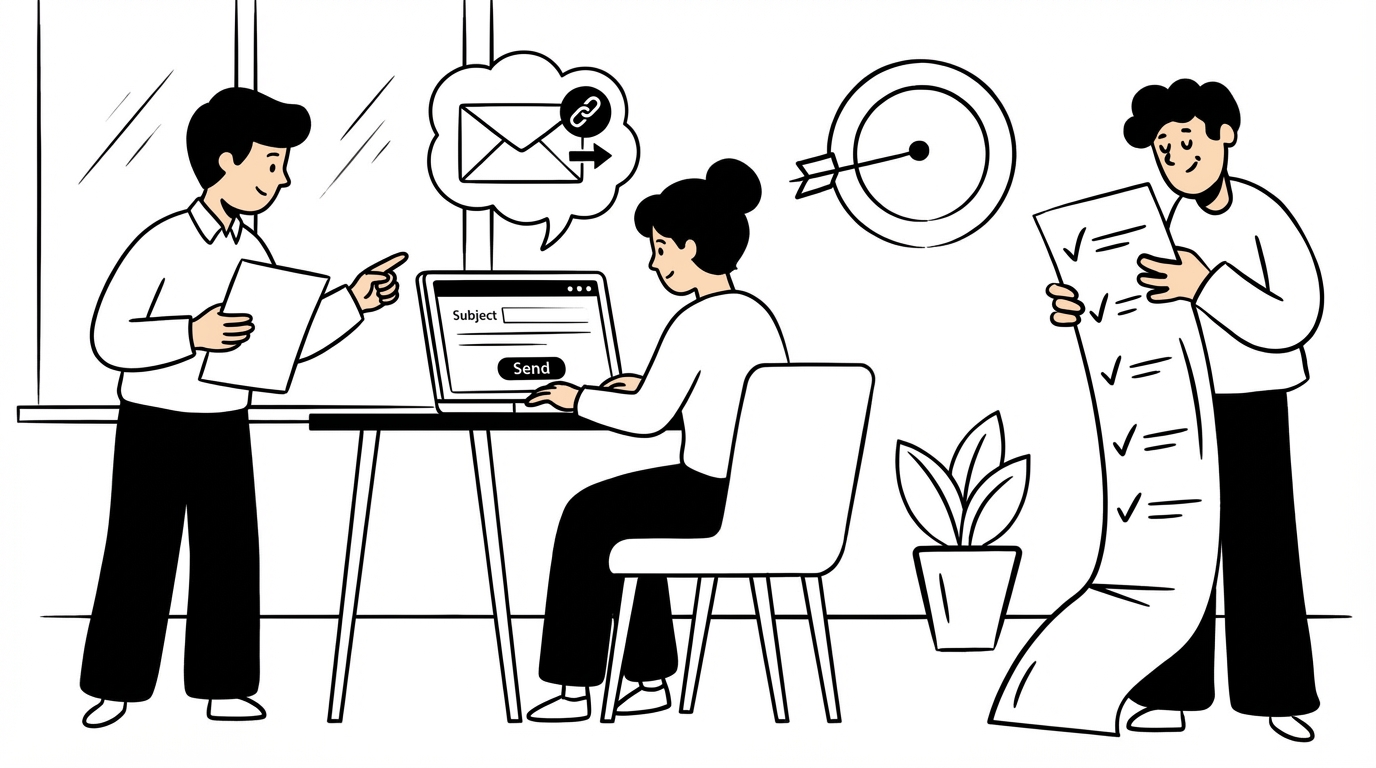
Backlink outreach emails succeed when they’re specific, respectful, and easy to act on. The goal of backlink outreach is not to “sell” a link—it’s to help the recipient improve their content.
Principles of high-converting backlink outreach emails
Backlink outreach email structure
1) Subject line (clear, not clickbait)
2) Context (why you’re reaching out)
3) Specific reference (what you noticed on their page)
4) Value proposition (how your resource helps)
5) The ask (simple, optional, polite)
6) Close (thank them, sign with real identity)
Subject line ideas for backlink outreach
Backlink outreach subject lines should be honest and specific.
Backlink outreach templates (customize heavily)
Template A: Resource suggestion
Hi [Name],
I was reading your article on [Topic]—especially the section on [Specific Section]. You linked to a few resources there, and I thought you might be open to one more.
We published a [type of asset] on [topic] that includes [1–2 concrete highlights]. If you think it would help your readers, here’s the link: [URL].
If it’s a fit, it could sit nicely near your mention of [specific point]. Either way, thanks for putting this together.
Best,
[Your Name]
Template B: Broken link backlink outreach
Hi [Name],
Quick heads-up: on your page [URL], the link to [Resource Name] in the [section] looks like it’s returning a 404.
If you’re updating it, we have a similar resource on [topic] here: [URL]. It covers [specific details].
Hope that helps—thanks!
[Your Name]
Template C: Unlinked mention backlink outreach
Hi [Name],
Thanks for mentioning [Brand/Person/Study] in your post here: [URL]. Would you be open to adding a link to the referenced page so readers can find it easily?
Here’s the correct URL: [URL].
Appreciate it,
[Your Name]
What to include (and avoid) in backlink outreach
Include:
Avoid:
Ethical and compliance notes (privacy regulations)
Backlink outreach often involves storing contact details. Newer data privacy regulations and enforcement trends (e.g., GDPR, UK GDPR, and similar laws) mean you should:
Backlink outreach that respects privacy and consent tends to protect your brand and improve response rates.
Mini case example: email specificity wins
A content marketing team ran backlink outreach for a “2026 industry stats” page. Generic emails got few replies. When they updated the backlink outreach email to reference the exact paragraph where the stat would replace an outdated number, replies increased sharply—because the editor could instantly see the benefit and the placement.
Step 3: Follow-Up Strategies - Explain the importance of follow-ups in the outreach process.
Backlink outreach follow-ups are where many links are won. People miss emails, forget, or need time. A respectful follow-up strategy can double your backlink outreach results without increasing your prospect list.
Why follow-ups matter in backlink outreach
Backlink outreach follow-ups should be helpful, not pushy.
A simple backlink outreach follow-up schedule
Adjust based on industry. For journalists or fast-moving publications, backlink outreach follow-ups may be shorter; for academic or regulated niches, longer.
What to say in backlink outreach follow-ups
Good follow-ups add value:
Avoid repeating the same message verbatim.
Backlink outreach follow-up templates
Follow-up #1 (short and polite)
Hi [Name],
Just following up on my note about your [page/article]. If you’re updating that section, here’s the resource again: [URL].
Happy to send a 2–3 sentence summary you can paste in if helpful.
Thanks,
[Your Name]
Follow-up #2 (add a new detail)
Hi [Name],
One more quick follow-up—since my last email, we added [new data point / new section] to the resource: [URL].
If you think it’s useful for your readers, it may fit near your mention of [specific point].
Best,
[Your Name]
Breakup email (close the loop)
Hi [Name],
No worries if now isn’t the right time. I’ll stop following up after this.
If you ever update the [topic] section, here’s the resource for reference: [URL].
Thanks again,
[Your Name]
Follow-up etiquette for backlink outreach
Handling common responses in backlink outreach
Backlink outreach is relationship building. Even a “not now” can become a future collaboration if you stay professional.
Step 4: Tracking and Measuring Success - Discuss how to measure the effectiveness of outreach campaigns.
Backlink outreach improves when you measure it like a process, not a one-off task. Tracking helps you understand which outreach campaigns work, which link building strategies are efficient, and where your messaging needs refinement.
What to track in backlink outreach (core metrics)
Track these at minimum:
Backlink outreach should also track link quality:
Define success for backlink outreach
Success depends on your goal:
Backlink outreach KPIs should match the intent.
Build a simple backlink outreach dashboard (spreadsheet-friendly)
Columns to include:
Backlink outreach becomes scalable when your tracking is consistent.
Attribution: connecting backlink outreach to SEO outcomes
Backlink outreach results show up in multiple places:
Be cautious: backlink outreach links can take weeks to influence rankings, and many variables affect SEO optimization.
Quality control for backlink outreach links
After a link goes live:
Backlink outreach should prioritize durable links that won’t disappear after a site redesign.
Mini case study: measuring what matters
A niche finance publisher ran backlink outreach for a compliance-focused guide. Their initial KPI was “links earned,” but many links were from low-engagement pages. They adjusted backlink outreach targeting to prioritize pages with steady organic traffic and strong topical relevance. Fewer emails produced fewer links—but the resulting referral traffic generation and ranking improvements were stronger.
Best Practices for Backlink Outreach - Outline best practices to maximize the impact of outreach efforts.
Backlink outreach is most effective when it’s systematic, ethical, and aligned with content marketing. These best practices help you earn links consistently without burning relationships.
1) Lead with value, not link requests
Backlink outreach performs better when you frame the message as improving their content:
The link is a byproduct of usefulness.
2) Personalize based on the page, not the person
Backlink outreach personalization should reference:
Avoid shallow personalization (“Love your blog!”). Editors can tell.
3) Match the asset to the right outreach campaign
Backlink outreach should fit the asset:
This is where link building strategies and content marketing intersect.
4) Build relationships before you need them
Relationship building makes backlink outreach easier:
Backlink outreach becomes warmer over time.
5) Use ethical anchors and placements
Backlink outreach should never demand exact-match anchor text. Suggest a natural placement and let the editor decide. Ethical backlink outreach reduces risk and looks natural.
6) Keep your site “link-ready”
Backlink outreach fails when the destination page is weak. Before outreach campaigns, ensure:
This supports SEO optimization and improves conversion.
7) Create “outreach-friendly” content
To make backlink outreach easier, add:
Backlink outreach improves when editors can quickly evaluate and cite.
8) Respect data privacy and consent
Backlink outreach should align with privacy regulations:
Ethical backlink outreach protects your reputation.
9) Plan for industry-specific constraints
Backlink outreach in regulated industries (health, finance, legal) should:
Backlink outreach in lifestyle or creator niches may benefit from:
10) Build a repeatable cadence
Backlink outreach works best as a routine:
Consistency beats sporadic blasts in backlink outreach.
Troubleshooting Common Issues - Provide solutions to common problems encountered during outreach.
Even strong backlink outreach runs into obstacles. Use these fixes to improve deliverability, replies, and link placements.
Issue 1: Low reply rate in backlink outreach
Possible causes:
Fixes:
Backlink outreach is often a targeting problem, not an email problem.
Issue 2: Emails going to spam
Possible causes:
Fixes:
Backlink outreach deliverability is foundational—without it, nothing else matters.
Issue 3: “We only link to well-known sites”
Fixes:
Backlink outreach credibility grows with consistent publishing.
Issue 4: They ask for payment
This is common. For ethical backlink outreach:
If you choose to engage in sponsorships, keep it separate from backlink outreach and follow disclosure rules.
Issue 5: They want you to write a guest post
Guest blogging can be a valid extension of backlink outreach if:
Fixes:
Backlink outreach via guest blogging should still prioritize reader value.
Issue 6: Link added but later removed
Possible causes:
Fixes:
Issue 7: You’re earning links but rankings don’t move
Possible causes:
Fixes:
Backlink outreach is one lever; it works best with strong content marketing and technical foundations.
Issue 8: Outreach fatigue (you’re burning out)
Fixes:
Backlink outreach is sustainable when it’s process-driven.
Conclusion and Next Steps - Summarize key points and suggest further actions for readers.
Backlink outreach is most effective when you treat it as a repeatable system: research the right targets, craft clear and respectful emails, follow up thoughtfully, and track outcomes so each outreach campaign improves. Ethical backlink outreach—grounded in relevance, value, and relationship building—supports SEO optimization, domain authority growth, and long-term online visibility.
Your next steps checklist
1) Pick one linkable asset to promote with backlink outreach.
2) Build a Tier A list of 30–50 highly relevant targets.
3) Write a short backlink outreach email with one clear ask and a suggested placement.
4) Run a two-step follow-up sequence.
5) Track replies, links earned, and link quality—and refine.
If you want to level up your backlink outreach, invest in content marketing that naturally attracts citations (original data, strong guides, and industry-specific resources). Then use backlink outreach to put that value in front of the right editors consistently.
Try Rankpeak for Streamlined Workflow - Introduce Rankpeak as a tool to enhance backlink outreach workflows.
If you’re building a repeatable backlink outreach routine, a streamlined workflow helps you stay consistent without losing personalization. Rankpeak can support your backlink outreach process by keeping research, outreach campaigns, follow-ups, and outcomes organized in one place—so you spend less time juggling tabs and more time building real relationships. If you’re ready to make backlink outreach easier to manage week to week, try Rankpeak and adapt it to the system you built in this guide.