Buying High Quality Backlinks: Safe SEO Guide
Introduction - Introduce the concept of buying backlinks, its importance, and potential SEO benefits.

Buying high quality backlinks is one of the most debated SEO tactics because it can influence rankings quickly while also carrying real policy and quality risks. Done carefully, buying high quality backlinks can improve online visibility, strengthen domain authority signals, and accelerate organic traffic growth—especially for pages that already match search intent but lack authority links.
At the same time, buying high quality backlinks is not a magic switch. Search engines evaluate link quality, relevance, and patterns over time. If buying high quality backlinks turns into buying low-quality placements, paid link footprints, or irrelevant sitewide links, the upside can flip into ranking loss or manual actions. This guide explains what buying high quality backlinks actually means, how SEO professionals approach it, what Google says, and how to evaluate link building services with a practical, risk-aware lens.
You’ll also find a structured comparison of several providers and marketplaces, plus best practices for buying high quality backlinks, measuring backlink ROI, and adapting backlink strategies for local SEO versus national campaigns. Throughout, the goal is the same: make buying high quality backlinks more predictable by focusing on link acquisition fundamentals—relevance, editorial context, and measurable outcomes.
What Is Link Buying? - Explain what link buying entails and its role within SEO strategies.
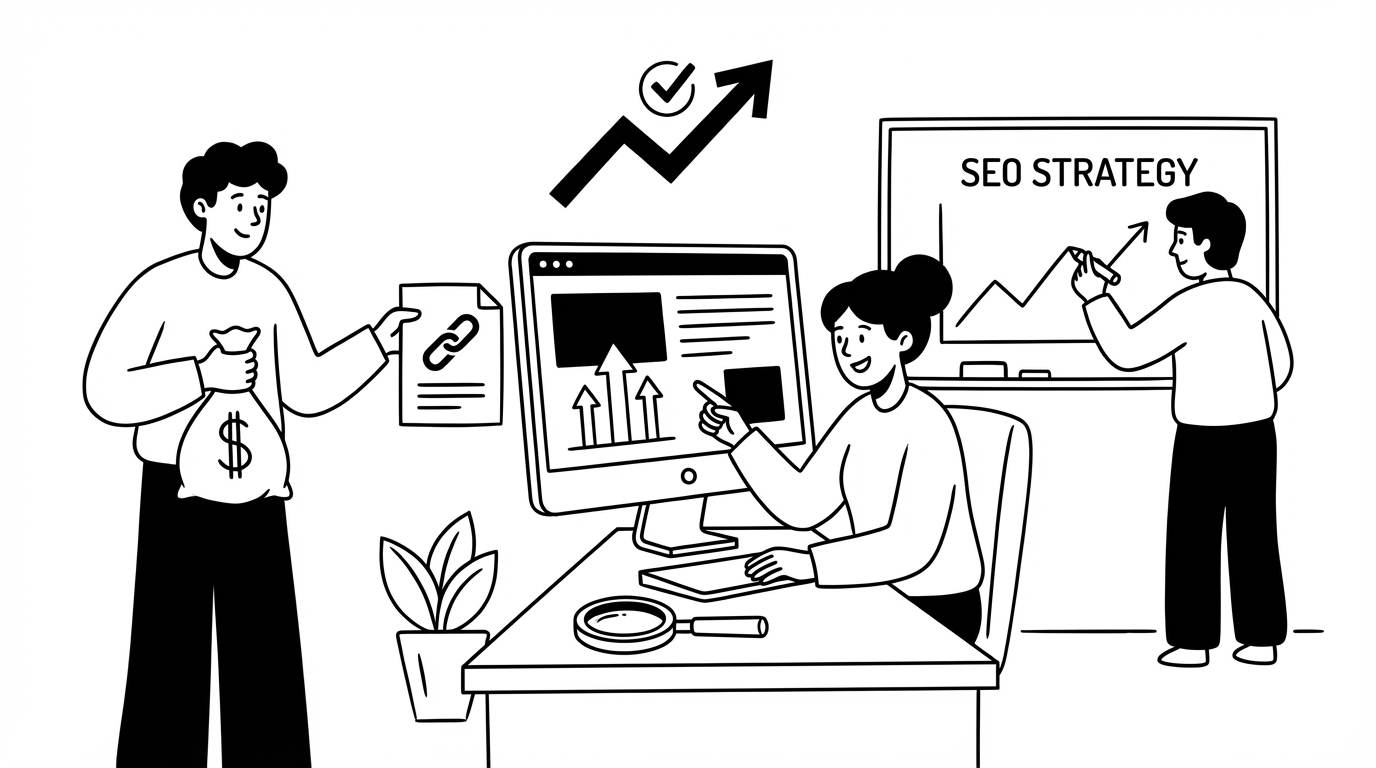
Link buying is the practice of paying (directly or indirectly) for link placement on another website to influence search rankings. In the real world, buying high quality backlinks can look like paying a publisher for a contextual mention, sponsoring a piece of content that includes a link, paying an agency for outreach and placement, or using a marketplace that brokers authority links.
The key distinction is intent and execution. Many brands pay for content production, PR, or partnerships that naturally result in links. But buying high quality backlinks typically implies you’re paying with the expectation of a followed link that passes ranking signals. That’s why buying high quality backlinks sits in a gray zone: it overlaps with legitimate digital marketing (sponsorships, advertorials, partnerships) while also intersecting with practices search engines discourage.
In an SEO strategy, buying high quality backlinks is usually used to:
Buying high quality backlinks should be evaluated as one tool among many SEO tactics. It works best when paired with strong on-page SEO, content that satisfies intent, and technical health. If the page doesn’t deserve to rank, buying high quality backlinks may create a short-term lift but won’t hold.
Link buying vs. link earning
Link earning is when other sites link to you because your content is useful. Buying high quality backlinks is when you pay to influence link placement. In practice, many campaigns blend both: you publish link-worthy assets (tools, studies, guides) and then use outreach, partnerships, or link building services to get them in front of publishers. The more your approach resembles editorial merit, the safer buying high quality backlinks tends to be.
Should You Buy Backlinks? - Discuss the pros and cons of buying backlinks and who should consider it as a viable strategy.
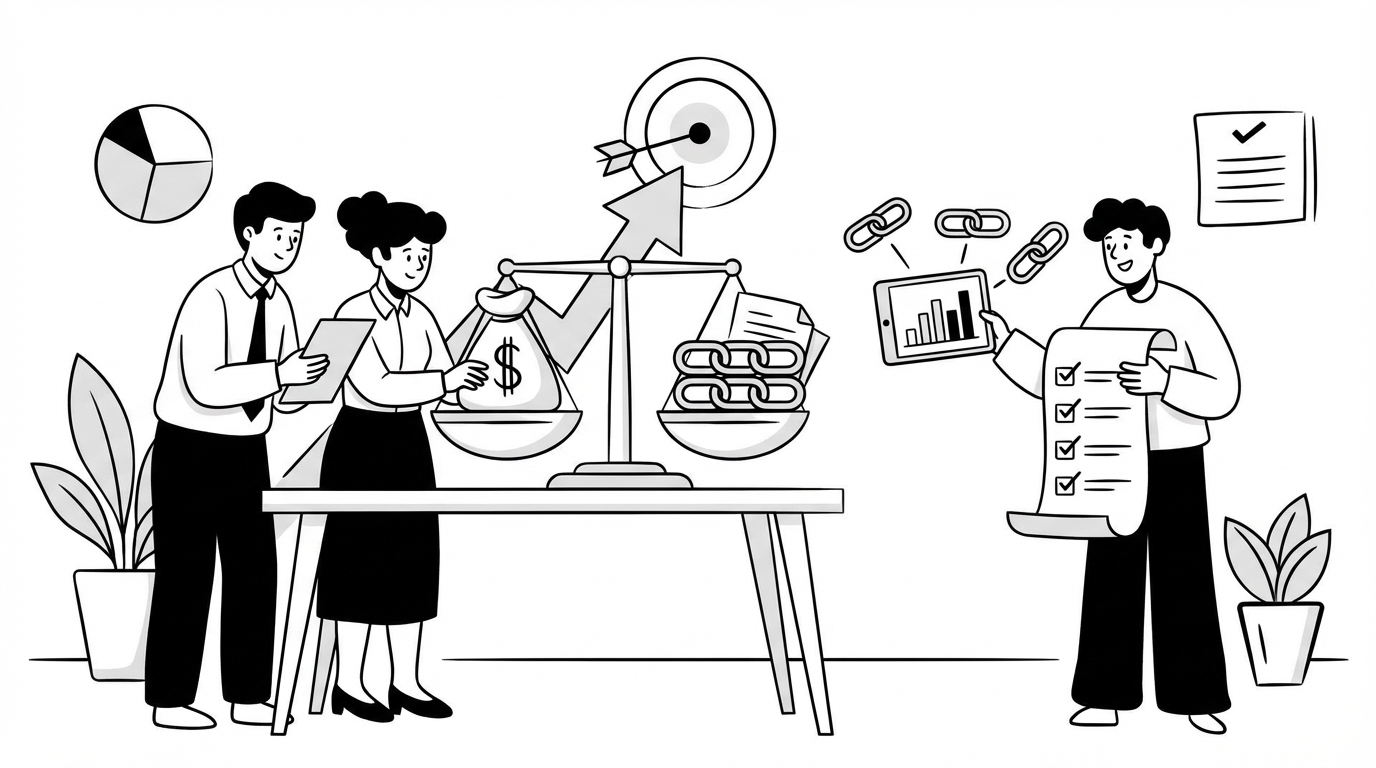
Whether buying high quality backlinks makes sense depends on your risk tolerance, competition level, and how mature your site is.
Pros of buying high quality backlinks
Cons of buying high quality backlinks
Who should consider buying high quality backlinks
Buying high quality backlinks is most defensible when:
Who should avoid buying high quality backlinks
A practical middle ground is to treat buying high quality backlinks as a controlled experiment: start small, measure ROI, and scale only if the links are stable and the rankings gains translate into website traffic and revenue.
Google's Stance on Buying Backlinks - Outline Google's position regarding purchasing backlinks and potential consequences.
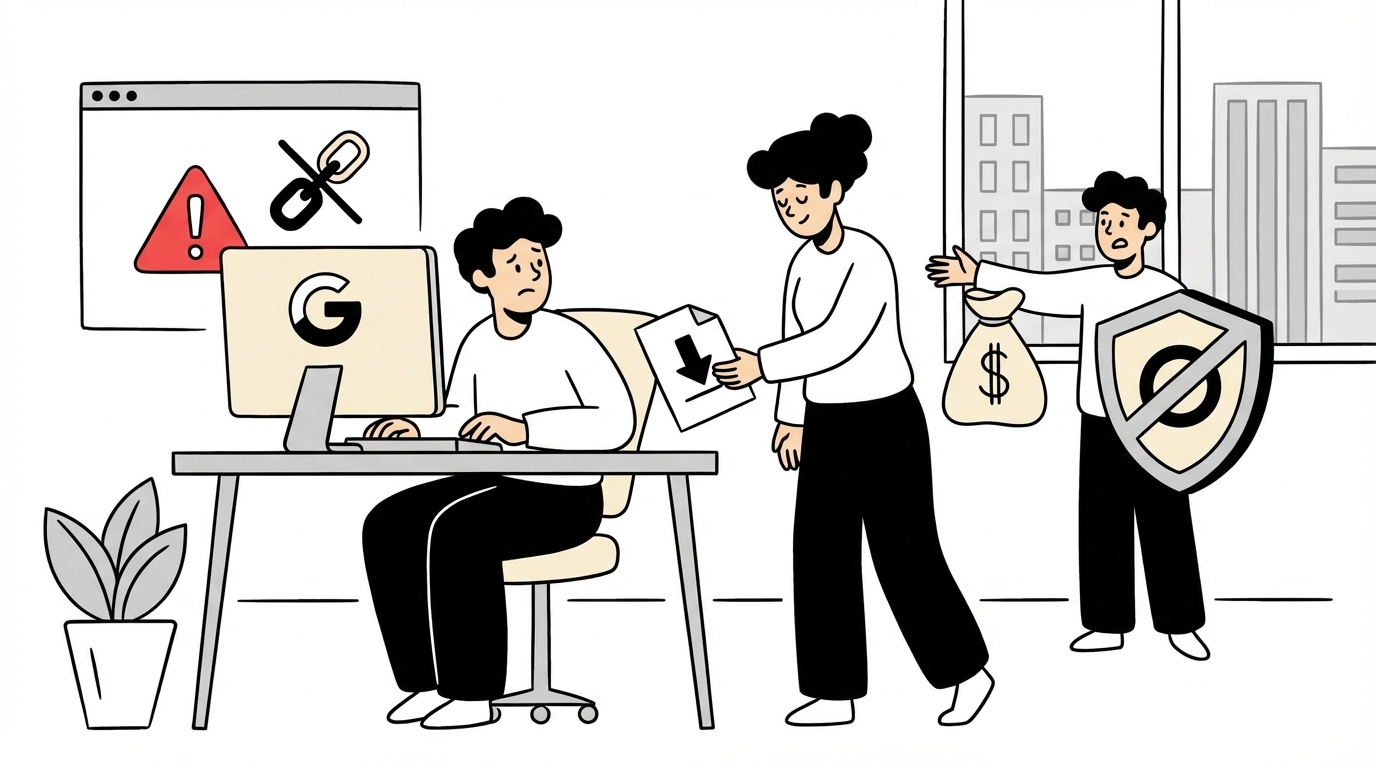
Google’s guidelines have long stated that buying or selling links that pass PageRank is against policy. In plain terms, buying high quality backlinks with the intent to manipulate rankings can be considered link spam.
That doesn’t mean every paid placement triggers a penalty. Google’s enforcement is uneven, and many paid links go unnoticed. But the risk is real, and it increases when buying high quality backlinks creates detectable patterns.
What Google expects for paid links
If money, products, or services are exchanged for a link, Google’s guidance is to use:
rel="nofollow" orrel="sponsored"Those attributes tell Google not to count the link as a ranking signal. The tension is obvious: most people buying high quality backlinks want followed links.
Potential consequences
What increases risk
Buying high quality backlinks becomes riskier when:
If you still pursue buying high quality backlinks, the safest posture is to prioritize editorial context, relevance, and natural link patterns—and to assume some links will be ignored. The goal is not to “trick” Google; it’s to build a link profile that looks like genuine citations from real sites.
Why SEO Professionals Buy Backlinks - Explain why SEO experts may choose to buy backlinks and how it fits into larger strategies.
SEO professionals often turn to buying high quality backlinks because links remain a strong ranking factor in many competitive SERPs, and organic link earning is slow. Even excellent content can sit unnoticed without distribution.
Common professional use cases
1. Launching a new content hub: Buying high quality backlinks to cornerstone guides can help them compete sooner, then internal links distribute authority to supporting pages.
2. Closing the “authority gap”: When competitors have hundreds of referring domains, buying high quality backlinks can narrow the gap while content and PR catch up.
3. Supporting commercial pages: Product and service pages rarely attract natural links. Buying high quality backlinks to relevant supporting content (and then internally linking) is a common workaround.
4. Local SEO support: For local businesses, buying high quality backlinks from local publications, chambers, sponsorships, and niche blogs can improve map pack and organic results—when relevance is real.
How it fits into a broader plan
Professionals typically combine buying high quality backlinks with:
Ethical considerations
There’s also an ethical layer. Buying high quality backlinks can distort the “merit” of rankings if the only differentiator is budget. Some teams treat it as a pragmatic marketing expense; others avoid it to align with white hat SEO principles. A practical ethical approach is to ensure the placement provides real value to readers—contextual relevance, genuine editorial standards, and transparency where appropriate.
Measuring ROI (what pros actually track)
Buying high quality backlinks should be evaluated like any paid channel:
If buying high quality backlinks doesn’t move rankings or conversions, professionals either adjust the link targets, improve the page, or stop buying.
Rankpeak
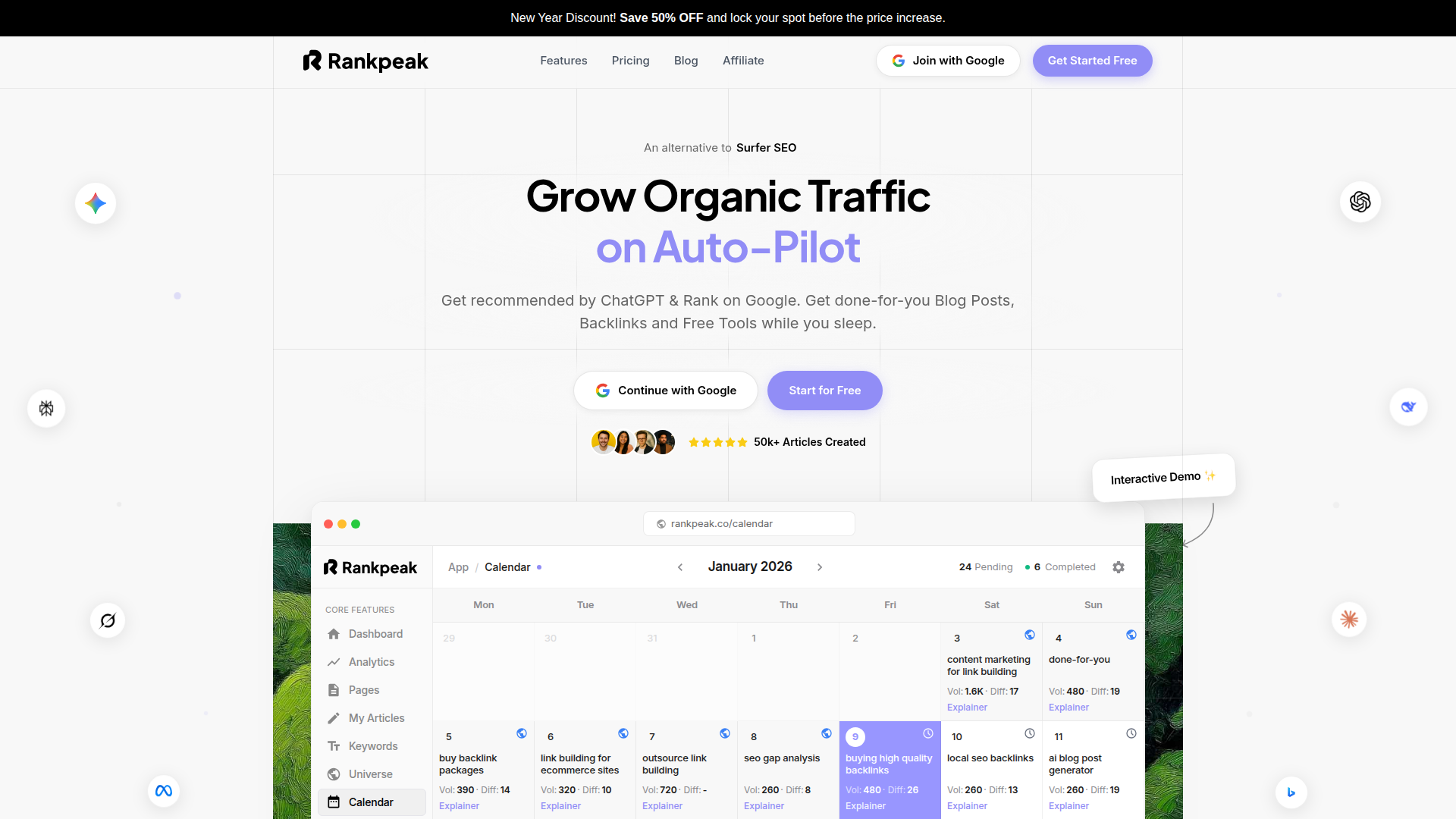
Rankpeak is built for teams that want a structured way to approach buying high quality backlinks without treating link acquisition like a black box. For small business owners, entrepreneurs, and lean marketing teams, the hardest part of buying high quality backlinks is rarely the purchase itself—it’s vetting link quality, keeping placements relevant, and proving ROI after the links go live. Rankpeak’s workflow is designed around those practical constraints.
A useful way to think about Rankpeak is as a process layer around buying high quality backlinks: it helps you define what “high quality” means for your niche (relevance, traffic, editorial context), then keeps campaigns organized so you can compare outcomes across pages and time periods. Instead of chasing raw domain authority alone, Rankpeak encourages evaluating authority links in context—what the linking page ranks for, whether it has real organic traffic, and whether the placement is likely to remain stable.
For teams trying to buy links responsibly, Rankpeak’s emphasis on documentation matters. Buying high quality backlinks becomes safer when you can answer basic questions quickly: Which URLs are we building to? What anchor text is being used? How many referring domains did we add this quarter? Which placements drove measurable website traffic? Rankpeak’s campaign views and reporting make it easier to connect link building services to outcomes, not just deliverables.
Rankpeak is also a good fit when you’re balancing local and national SEO. Local campaigns often benefit from fewer but more locally relevant links (local news, sponsorships, community sites), while national campaigns may require broader topical authority. Rankpeak helps you segment these efforts so buying high quality backlinks for a local landing page doesn’t look like the same pattern as buying high quality backlinks for a national guide.
Compared with marketplaces that focus mainly on inventory, Rankpeak is more about repeatable decision-making: setting quality thresholds, tracking link retention, and auditing link placement over time. That’s especially helpful if you’ve been burned by links that disappear, get moved to low-visibility pages, or come from sites with questionable traffic.
If you’re considering buying high quality backlinks and want a clearer way to plan, track, and evaluate link acquisition, explore Rankpeak’s workflow and reporting before you scale spend. Call to action: map your next 30–60 days of buying high quality backlinks inside Rankpeak, set quality criteria up front, and review results against rankings and conversions before expanding budget.
Features that matter in practice
Rankpeak supports a more disciplined approach to buying high quality backlinks by keeping your targets, placements, and results in one place—so you can iterate based on evidence rather than assumptions.
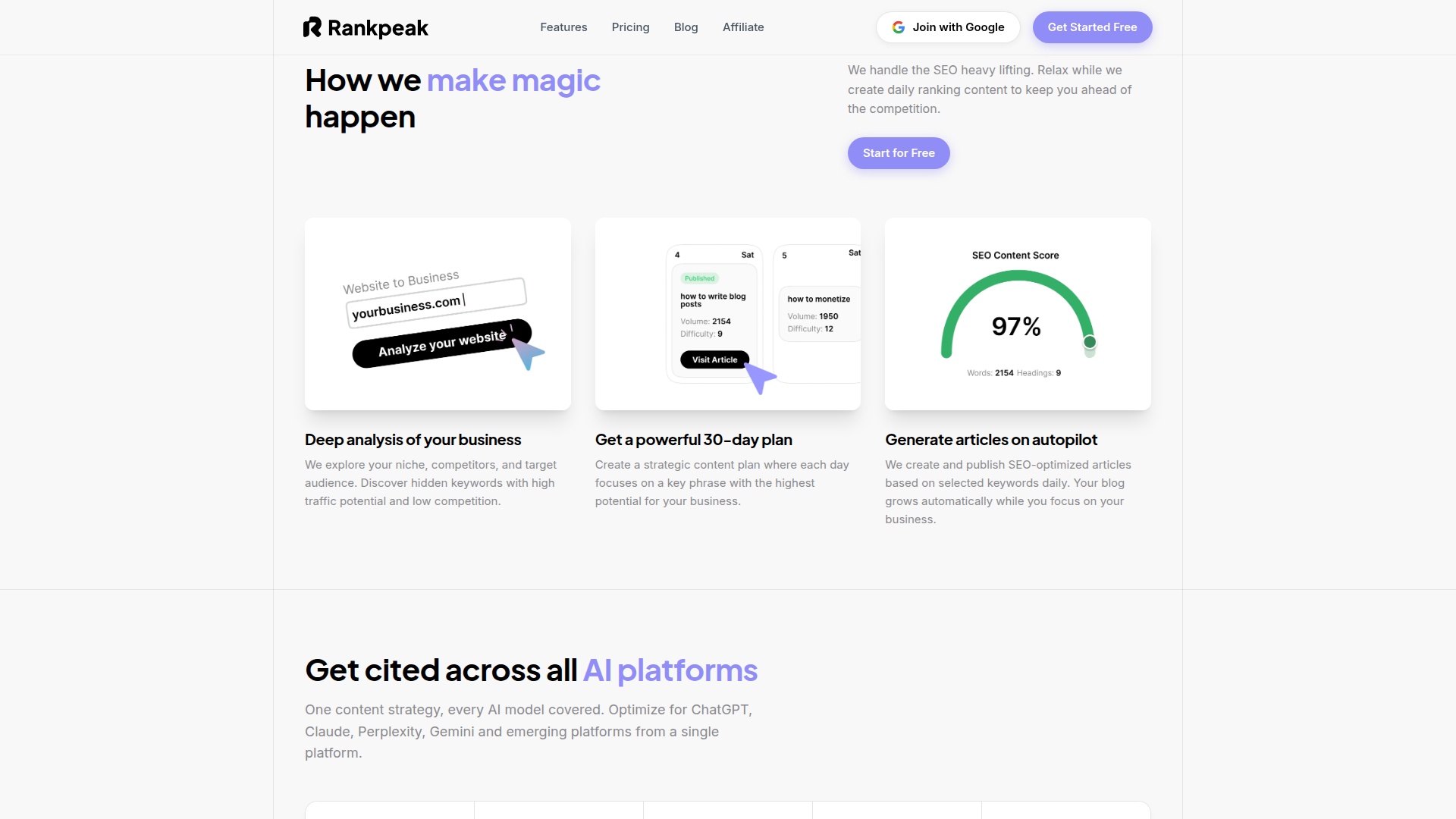
Features of Rankpeak - List core features offered by Rankpeak.
Pricing of Rankpeak - Describe pricing and packages available.
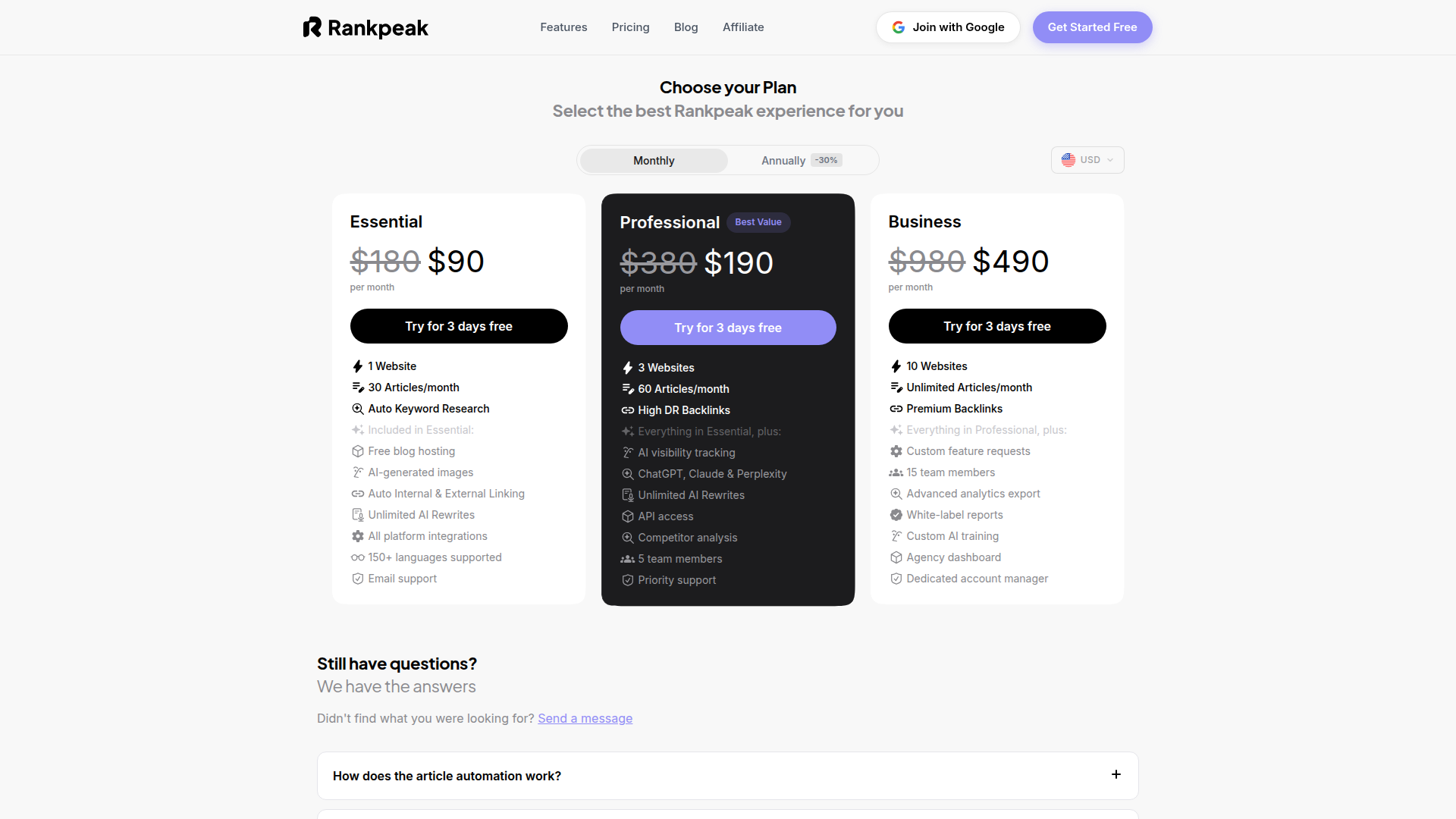
Rankpeak pricing typically depends on how many campaigns, tracked links, and reporting needs your team has. In practice, teams evaluating buying high quality backlinks often look for pricing that scales with usage rather than forcing a large upfront commitment.
Common package structures you may see include:
When comparing pricing, focus less on the monthly fee and more on whether Rankpeak helps you avoid wasted spend on low-retention links, irrelevant placements, or unmeasured link building services.
Pros and Cons of Rankpeak - Discuss the advantages and disadvantages.
BacklinkSEO - Detail BacklinkSEO for established SEO agencies and professionals, including features, pricing, pros/cons.
SerpClix - Highlight SerpClix best for enhancing organic click-through rates, covering features, pricing, pros/cons.
LinkBuilder.io - Discuss LinkBuilder.io’s offerings for companies needing a fully managed solution, including features, pricing, pros/cons.
Authority Builders - Detail Authority Builders for targeted, niche-relevant link-building, including features, pricing, pros/cons.
SEOClerk - Cover SEOClerk's budget options for SEO efforts, outlining features, pricing, pros/cons.
Best Practices for Buying Backlinks - Provide guidance on how to successfully buy and manage backlinks.
Buying high quality backlinks is less about “finding a seller” and more about running a controlled acquisition program. The best outcomes come from consistent standards, realistic expectations, and measurement.
1) Define what “high quality” means for your site
Before buying high quality backlinks, set minimum criteria:
2) Prioritize pages that can convert
Buying high quality backlinks to a page that can’t convert is a common ROI mistake. Choose:
3) Use natural anchor text rules
When buying high quality backlinks, anchor text is where many campaigns get risky.
4) Control link velocity
A sudden spike can look unnatural. Buying high quality backlinks works better when paced:
5) Demand transparency from link building services
Ask for:
6) Track retention and performance
Buying high quality backlinks is not “set and forget.” Track:
Tools that help here include Ahrefs, Semrush, Majestic, Google Search Console, and crawling tools like Screaming Frog. Platforms like Rankpeak can also help organize buying high quality backlinks campaigns so you can compare link quality against outcomes.
7) Include local SEO considerations
For local businesses, buying high quality backlinks often works best when:
Mini case study examples (what “success” tends to look like)
These outcomes aren’t guaranteed, but they reflect a pattern: buying high quality backlinks works better when relevance is strong and the target page is already solid.
The Risks of Buying Backlinks - Discuss potential risks and how to mitigate them.
Buying high quality backlinks can pay off, but the downside scenarios are expensive—either in lost rankings or wasted budget. Risk management is part of the tactic.
1) Algorithmic ignoring (the silent failure)
The most common risk is that Google simply discounts the links. You’ll think buying high quality backlinks “didn’t work,” when the issue is that the links weren’t trusted.
Mitigation: prioritize links from sites with real audiences, real rankings, and editorial standards. Avoid obvious link farms.
2) Manual actions and penalties
Less common, but more severe. Buying high quality backlinks at scale with manipulative anchors or spam networks can trigger a manual action.
Mitigation: diversify anchors, pace link acquisition, avoid PBNs, and keep placements relevant. Maintain documentation of placements and be ready to remove/disavow if needed.
3) Reputation and brand risk
Buying high quality backlinks via low-quality advertorials can put your brand next to questionable content.
Mitigation: review publisher quality like you would for PR. If you wouldn’t want customers to see the site, don’t place links there.
4) Link rot and retention issues
Links disappear, pages get deleted, or sites change ownership.
Mitigation: negotiate retention guarantees, track links over time, and avoid paying premiums without replacement policies.
5) Poor ROI measurement
Teams often keep buying high quality backlinks without knowing which placements helped.
Mitigation: measure ROI with a simple framework:
6) Ethical and compliance concerns
Some organizations have strict policies about paid placements.
Mitigation: align buying high quality backlinks with internal guidelines. Consider using rel="sponsored" for clearly paid placements and focus on PR-style partnerships that provide real audience value.
Tools to reduce risk (and why they matter)
When buying high quality backlinks, use tools to validate link quality and detect manipulation:
The goal is to make buying high quality backlinks less speculative by validating that the linking site is real, relevant, and stable.
Conclusion - Summarize the key takeaways about buying high-quality backlinks.
Buying high quality backlinks can be an effective lever for improving rankings and organic traffic, but it works best when treated as a disciplined acquisition program—not a shortcut. The safest version of buying high quality backlinks prioritizes relevance, editorial context, real audiences, and measurable outcomes.
If you choose to pursue buying high quality backlinks, keep the fundamentals in place: strong pages, natural anchors, paced link velocity, and ongoing retention checks. Measure backlink ROI using rankings, traffic, and conversions rather than vanity metrics alone. And adapt your backlink strategies to your market—local SEO often rewards fewer, more locally meaningful authority links, while national campaigns may require broader topical coverage.
Finally, remember that buying high quality backlinks is easiest to scale when your process is organized. Whether you’re using a managed provider, a marketplace, or a hybrid approach, tools and workflows (including platforms like Rankpeak) can help you document decisions, validate link quality, and connect link acquisition to business results.