SEO Gap Analysis Guide: Find Keywords & Fix Gaps
Introduction - Introduce the concept and importance of SEO gap analysis.
SEO gap analysis is the process of comparing your site’s current organic performance against what’s possible—usually by benchmarking competitors, SERP features, and search intent—to find the fastest, most defensible opportunities. A good seo gap analysis doesn’t just list “missing keywords.” It connects keyword research, competitor research, website audit findings, and performance metrics into an actionable SEO strategy.
In practical terms, seo gap analysis answers questions like: Which topics do competitors rank for that you don’t? Where do you rank but underperform (positions 5–20) and could win with content optimization? Which pages leak organic reach because of technical issues? Which backlink analysis signals show you’re losing authority in a category? When you run seo gap analysis consistently, it becomes a planning engine for digital marketing—helping you prioritize work that improves search rankings, traffic analysis outcomes, and ultimately conversion rate optimization.
This guide walks through a complete seo gap analysis workflow, includes step-by-step tutorials, real-world mini case studies, industry-specific strategies, and a tool-by-tool breakdown so you can choose the right stack for your team.
Key Benefits of SEO Gap Analysis - Detail the advantages of conducting an SEO gap analysis.

A thorough seo gap analysis creates clarity in a space that’s often driven by hunches. Instead of guessing what to publish or fix next, you use market analysis and competitor research to identify measurable gaps.
1) Find “missing” demand you can realistically win
A strong seo gap analysis surfaces keywords and topics where competitors earn traffic but the SERP isn’t locked up by mega-brands. By pairing keyword research with difficulty signals and intent mapping, seo gap analysis helps you target opportunities that match your authority and resources.
2) Prioritize content optimization that moves rankings
Not every content update is equal. Seo gap analysis highlights pages that already have impressions and sit near page one—ideal candidates for on-page SEO improvements, internal linking, and intent alignment. These “near-win” pages often deliver faster search rankings gains than net-new content.
3) Expose structural and technical blockers
Sometimes the gap isn’t content—it’s crawlability, indexation, or site architecture. A seo gap analysis that includes a website audit can reveal thin templates, duplicate content, broken internal links, slow pages, or canonical issues that suppress organic reach.
4) Improve link strategy with evidence
Backlink analysis inside seo gap analysis shows where competitors are earning authority (industry publications, resource pages, partnerships) and where you’re absent. This turns link building from random outreach into targeted gap closing.
5) Align SEO with business outcomes
When you connect seo gap analysis to performance metrics—leads, trials, revenue, assisted conversions—you stop chasing vanity traffic. You can focus on gaps that support conversion rate optimization and pipeline.
6) Build a repeatable planning cadence
Run seo gap analysis quarterly (or monthly for competitive niches) and you’ll develop a reliable system: detect shifts, respond to emerging trends, and keep your SEO strategy aligned with what the market is searching for.
How to Get Started with SEO Gap Analysis - Step-by-step guide to initiating an SEO gap analysis.

Below is a practical, repeatable seo gap analysis process you can run even if you’re a small team. The goal is to turn competitor research and traffic analysis into a prioritized backlog.
Step 1: Define the scope and success metrics
Start your seo gap analysis by choosing a scope:
Pick performance metrics: non-branded clicks, qualified leads, demo requests, or revenue per landing page.
Step 2: Identify true search competitors
In seo gap analysis, your competitors are whoever ranks for your target queries—not always your business rivals. Build a list by:
Step 3: Collect baseline data (your site)
For your seo gap analysis baseline, export:
Step 4: Collect competitor data
Pull competitor keyword footprints, top pages, and backlink profiles. Your seo gap analysis should capture:
Step 5: Classify gaps (content, technical, authority, intent)
A useful seo gap analysis labels each opportunity:
Step 6: Map keywords to pages (or create new pages)
In seo gap analysis, avoid creating multiple pages for the same intent. Map each keyword cluster to:
Step 7: Prioritize with a simple scoring model
Use a scoring rubric in your seo gap analysis:
Step 8: Execute, track, and iterate
Ship improvements in sprints. Then measure with rank tracking, GSC deltas, and conversion rate optimization metrics. A seo gap analysis is only valuable if it becomes a loop.
Mini case study (local service business)
A home services company ran seo gap analysis and found competitors ranking for “emergency [service] near me” and “cost to [service]” queries. They created two intent-matched pages, improved internal links from service pages, and fixed indexation for location pages. Within 8 weeks, non-branded clicks rose ~35% and calls increased, driven by higher search rankings for cost and emergency terms.
Mini case study (B2B SaaS)
A SaaS team’s seo gap analysis showed many keywords stuck in positions 8–15. They refreshed those pages with clearer problem/solution sections, added comparison tables, and built 8 targeted backlinks to the most commercial pages. Over a quarter, they saw a meaningful lift in organic reach and more demo assists from those landing pages.
Best Practices for SEO Gap Analysis - Explore effective practices for a successful SEO gap analysis.

These practices make seo gap analysis more accurate and more actionable.
Treat intent as the primary “gap”
Many seo gap analysis reports fail because they focus on keywords without checking the SERP. If the top results are tools, don’t publish a glossary. If the SERP is informational, don’t force a product page. Always validate intent.
Use clusters, not single keywords
A modern seo gap analysis groups queries by topic and entity coverage. Build clusters around:
Separate “quick wins” from “strategic builds”
In seo gap analysis, quick wins include:
Strategic builds include:
Combine website audit signals with content gaps
If your seo gap analysis says “create more content” but your crawl shows index bloat, duplication, or poor internal linking, you’ll dilute results. Pair content optimization with technical fixes.
Track the right performance metrics
Rankings alone can mislead. A useful seo gap analysis ties to:
Build industry-specific templates
Industry-specific seo gap analysis is faster when you standardize:
Watch emerging trends that change gaps
A forward-looking seo gap analysis monitors:
Document decisions
Keep a simple log: why a keyword cluster maps to a page, what changed, and what you expect. This makes your seo gap analysis repeatable and easier to defend to stakeholders.
Rankpeak: Small Business Insights
For small business owners and lean marketing teams, seo gap analysis often fails for a simple reason: the data is scattered. You might have Google Search Console for queries, Analytics for traffic analysis, a crawler for a website audit, and a spreadsheet for competitor research—yet no single place to turn those inputs into a prioritized plan. Rankpeak is built around that practical reality: it helps teams run seo gap analysis as an ongoing workflow rather than a one-off report.
A useful way to think about Rankpeak is as a planning layer that connects the “what” (keyword and competitor gaps) to the “what next” (content optimization tasks, on-page SEO fixes, and tracking). In a typical seo gap analysis cycle, you’ll start by identifying competitors that consistently outrank you for your target services or products. Rankpeak supports this by making it easier to compare topic coverage and surface where your site is underrepresented—especially around high-intent queries like “pricing,” “near me,” “best,” “alternatives,” and “vs” modifiers.
Rankpeak is also strong when you need to translate gaps into a content roadmap. Instead of producing a long list of keywords, the platform encourages clustering and mapping: which existing page should be updated, which new page should be created, and which internal links should be added to strengthen relevance. That matters because seo gap analysis is rarely solved by publishing more pages; it’s solved by publishing the right pages and improving the ones you already have.
Another practical advantage is how Rankpeak fits into small-team operations. Many tools excel at raw data, but small teams need clarity: what to do this week, what to do this month, and how to measure whether it worked. Rankpeak’s workflow orientation helps you connect seo gap analysis to performance metrics like impressions, clicks, and conversions—so you can see whether closing a gap actually improved organic reach or just moved a few rankings.
Compared with enterprise-first suites, Rankpeak tends to feel less like a cockpit and more like a checklist that still respects real SEO complexity. You can still do competitor research, keyword research, and content optimization planning, but without needing a dedicated analyst to stitch everything together.
Who benefits most: local businesses, service providers, ecommerce shops with limited categories, and B2B teams that need a repeatable SEO strategy without building a custom reporting stack.
Call to action: If you’re trying to make seo gap analysis a habit (not a quarterly fire drill), explore Rankpeak and run a focused seo gap analysis on one product or service line first—then expand once you see which gaps reliably translate into search rankings and leads.
SEMrush: In-depth Competitive Insights - Focus on SEMrush's professional features.
SEMrush is often used for seo gap analysis when you want broad competitor research plus reporting depth. Its strength is breadth: keyword research, rank tracking, backlink analysis, content tools, and competitive market analysis in one place.
For seo gap analysis, SEMrush is particularly useful for:
Where SEMrush helps most is turning seo gap analysis into a repeatable dashboard: you can monitor gaps over time, not just at a single snapshot. That’s valuable in fast-moving niches where search rankings shift weekly.
Trade-offs: the interface can feel dense, and teams may pay for features they don’t use. For small businesses, pairing SEMrush data with a workflow tool (some teams use Rankpeak for prioritization) can make seo gap analysis more actionable.
If your seo gap analysis needs to cover multiple markets, multiple competitors, and ongoing rank tracking, SEMrush is a strong fit—especially for marketing teams that want one platform to support digital marketing planning.
Ahrefs: Backlink and Keyword Data - Highlight Ahrefs’ strengths and weaknesses.
Moz Pro: Educational Resources - Discuss Moz Pro’s educational resources for beginners.
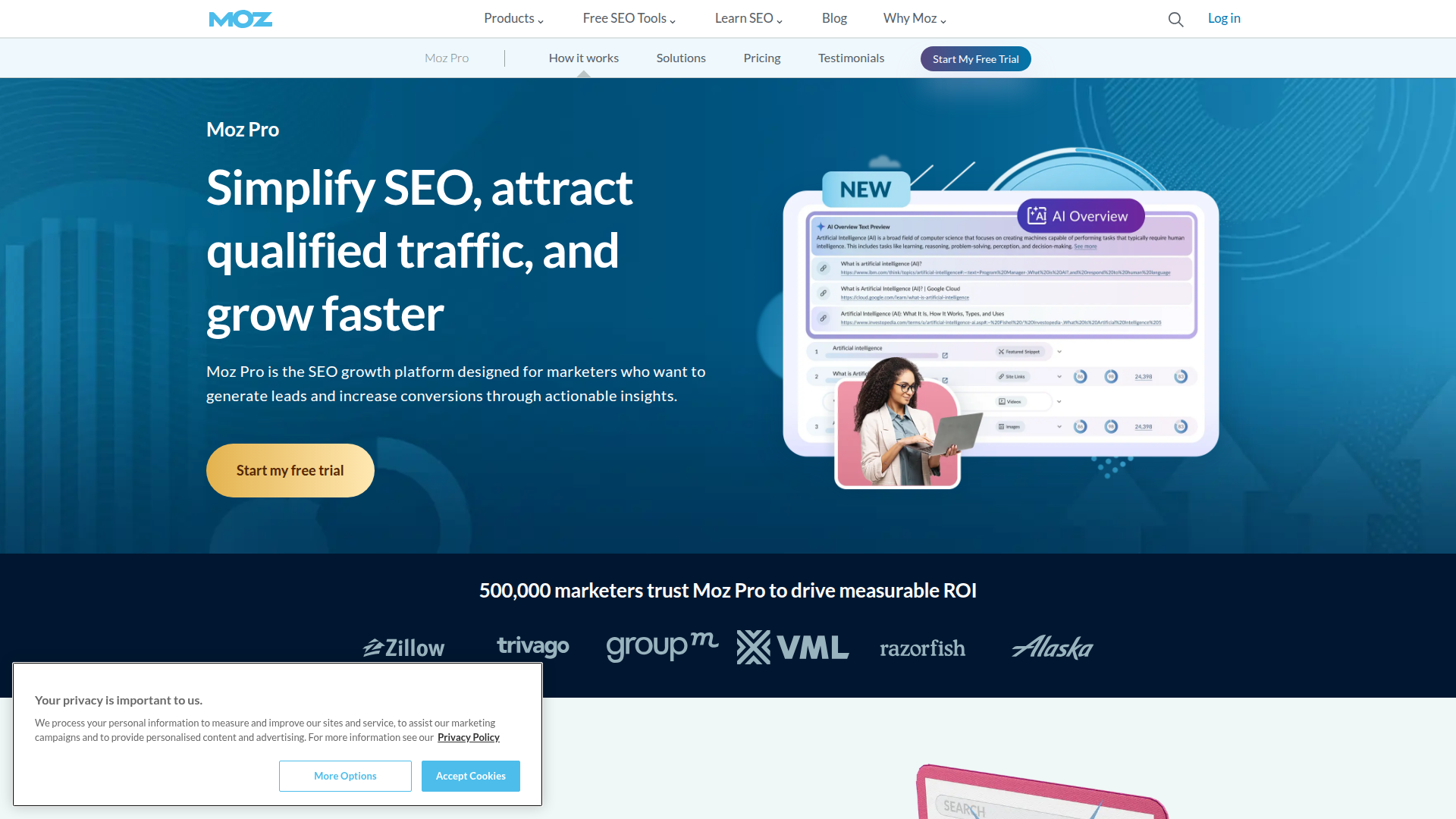
Moz Pro is often chosen for seo gap analysis by teams that value clarity and learning support. While it provides keyword research, rank tracking, and site auditing, its differentiator is the surrounding educational ecosystem that helps newer practitioners interpret what the data means.
For seo gap analysis, Moz Pro is helpful for:
Moz’s learning materials can reduce the “tool gap” that happens when a team has data but not confidence. That matters because seo gap analysis is as much interpretation as it is extraction.
Limitations: depending on your niche, you may want deeper competitor research or backlink analysis from a specialized tool. Still, for small teams building an SEO strategy foundation, Moz Pro can make seo gap analysis less intimidating and more consistent.
SpyFu: Competitive Keyword Insights - Detail SpyFu's offerings for budget-conscious users.
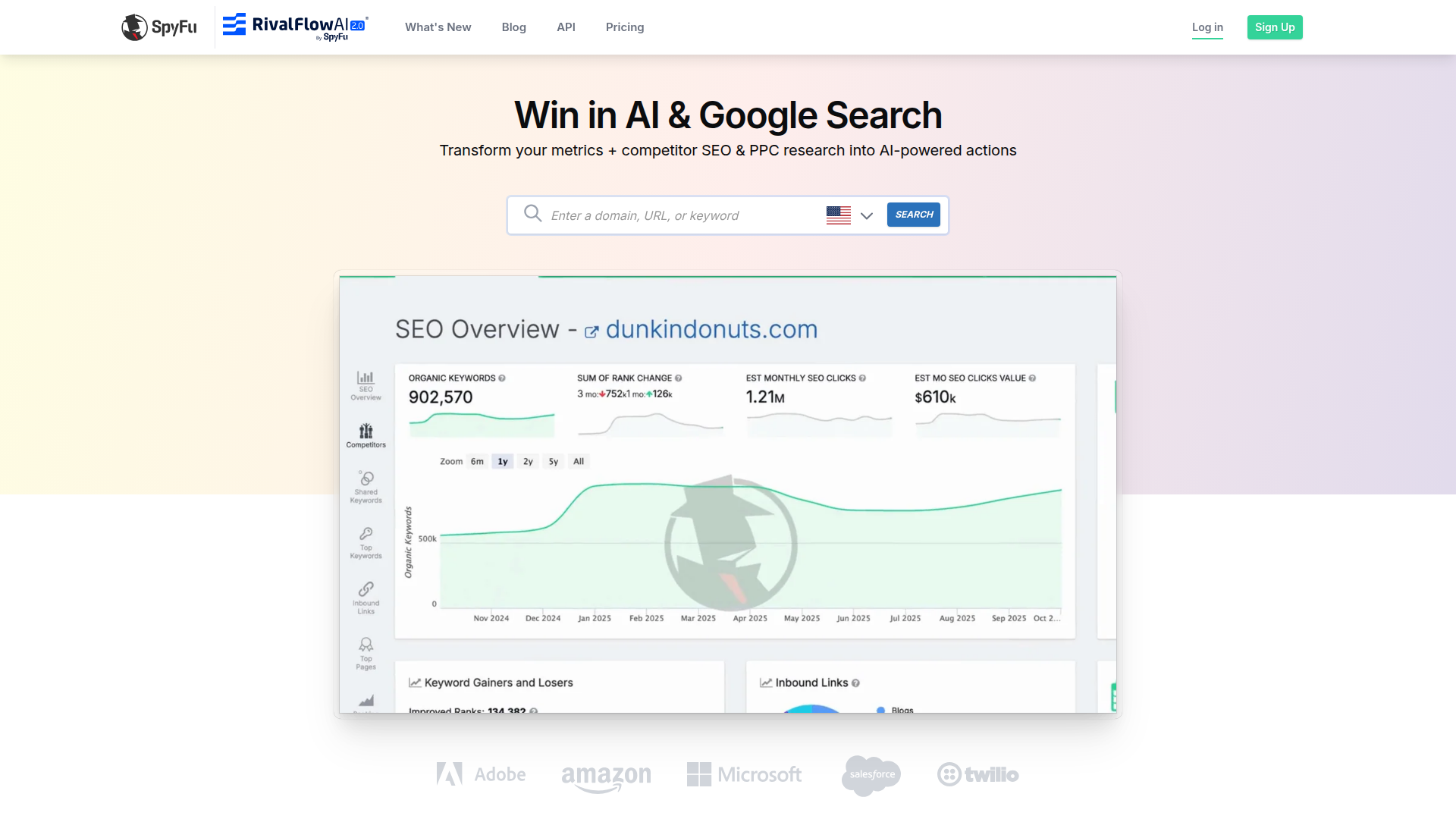
SpyFu is commonly used for seo gap analysis when the priority is competitor research—especially around keywords and historical visibility—without paying for a broader enterprise suite.
In seo gap analysis, SpyFu is useful for:
SpyFu can be particularly handy for small businesses that want to understand where competitors get traffic and which terms might be worth targeting with content optimization.
Trade-offs: you may need additional tools for a deeper website audit or backlink analysis. SpyFu is strongest as a competitor research layer in your seo gap analysis stack.
Ubersuggest: Basic SEO Tools - Evaluate Ubersuggest for individual marketers.
Ubersuggest is often used for seo gap analysis by solo marketers who want a simpler interface for keyword research, content ideas, and lightweight audits.
For seo gap analysis, Ubersuggest can help you:
It’s most effective when your seo gap analysis is focused on a narrow set of topics and you need quick direction rather than deep competitive modeling.
Limitations: advanced competitor research, large-scale rank tracking, and deep backlink analysis are typically stronger in specialized platforms. Still, for individuals building an SEO strategy, Ubersuggest can support a basic seo gap analysis workflow.
Serpstat: Innovative Analysis Tools - Assess Serpstat’s toolset for teams.
Serpstat positions itself as an all-in-one platform with a strong set of competitive and analytical features. For seo gap analysis, it’s useful when teams want keyword research, rank tracking, and competitor research in a single environment.
Serpstat supports seo gap analysis through:
A practical advantage is that Serpstat can work well for teams that need collaboration without the complexity (or cost) of larger suites. As with any platform, the quality of your seo gap analysis depends on how well you map findings to actions: content optimization, internal linking, and technical fixes.
Screaming Frog: Technical Site Audit - Review Screaming Frog for technical SEO experts.
Screaming Frog is a staple for the technical side of seo gap analysis. While it won’t do competitor keyword overlap by itself, it’s excellent for identifying technical gaps that prevent your content from performing.
In seo gap analysis, Screaming Frog helps you find:
If your seo gap analysis shows you “should” rank (good content, decent backlinks) but you don’t, a technical website audit often reveals why. Screaming Frog is most valuable for SEOs comfortable interpreting crawl data and translating it into fixes.
Many teams pair Screaming Frog with a competitor research tool and a planning workflow (some use Rankpeak to prioritize) so the technical findings become part of the same seo gap analysis backlog.
KWFinder: Long-tail Keyword Opportunities - Explore KWFinder’s strengths for bloggers.
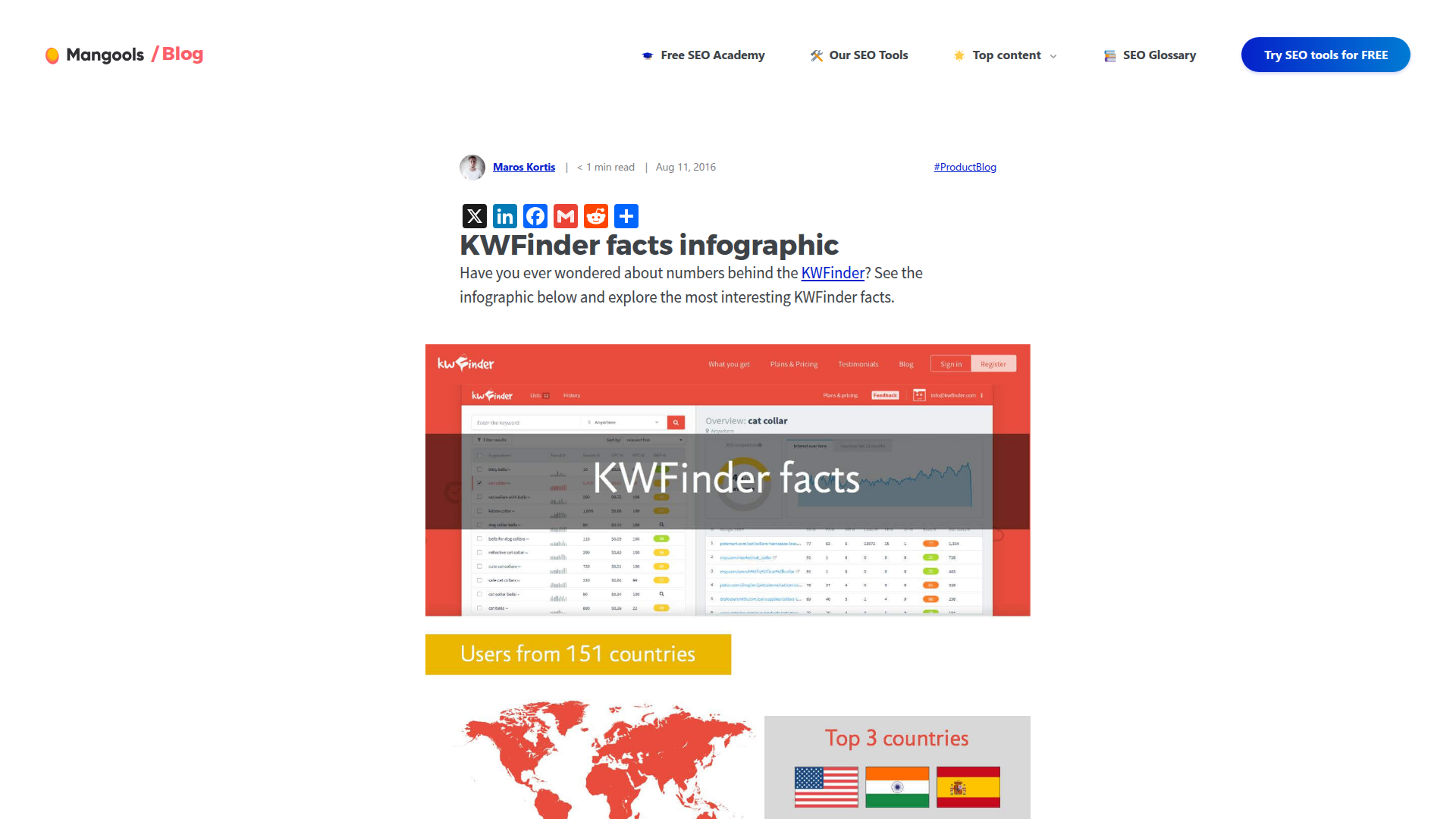
KWFinder is designed for keyword research with an emphasis on finding long-tail terms that are easier to rank for—useful for bloggers and content-led sites running seo gap analysis.
In seo gap analysis, KWFinder is helpful for:
It’s a good fit when your seo gap analysis is primarily about expanding topical coverage and capturing organic reach through consistent publishing.
Limitations: you’ll likely need separate tools for backlink analysis, deep competitor research, and technical website audit work. Still, for creators, KWFinder can be a practical starting point for seo gap analysis focused on content gaps.
Majestic: Backlink Tracking - Discuss Majestic’s backlink tracking capabilities.
Majestic is specialized for backlink analysis, making it useful when your seo gap analysis indicates an authority gap. If competitors consistently outrank you on commercial queries, the missing piece is often links to the right pages.
In seo gap analysis, Majestic supports:
Majestic is particularly useful for SEOs who want to understand link ecosystems in a niche—directories, associations, suppliers, local publications—and incorporate that into a targeted outreach plan.
Trade-offs: Majestic is less focused on keyword research and content optimization workflows. It’s best used as a backlink analysis component within a broader seo gap analysis stack.
SEO PowerSuite: Comprehensive Suite - Detail the features and benefits of SEO PowerSuite.
SEO PowerSuite is a desktop-based toolkit that covers multiple parts of seo gap analysis: rank tracking, website audit, backlink analysis, and some competitor research. It can be appealing for teams that prefer a one-time license model (depending on plan) and want local control over data.
For seo gap analysis, SEO PowerSuite is commonly used for:
Its strength is coverage: you can run a fairly complete seo gap analysis without stitching together many subscriptions. The trade-off is that desktop workflows can feel less collaborative than cloud platforms, and some teams prefer web-based competitor research interfaces.
If you’re building a repeatable SEO strategy and want a single suite to support ongoing seo gap analysis, SEO PowerSuite can cover the essentials—especially when paired with disciplined processes for content optimization and prioritization.
FAQs - Common questions related to SEO gap analysis.
What is seo gap analysis in simple terms?
Seo gap analysis is comparing your site’s SEO performance to competitors and to search demand to find what you’re missing—keywords, content, technical fixes, or backlinks—and then prioritizing what to do next.
How often should I run seo gap analysis?
For most small businesses, quarterly seo gap analysis is enough. In competitive niches (SaaS, finance, ecommerce), monthly seo gap analysis can help you respond to shifting SERPs and emerging trends.
What data do I need for seo gap analysis?
At minimum: Google Search Console queries/pages, analytics landing-page performance, a website audit crawl, and competitor keyword footprints. For deeper seo gap analysis, add backlink analysis and rank tracking.
Is seo gap analysis only about keywords?
No. A complete seo gap analysis includes content gaps, intent gaps, on-page SEO gaps, technical gaps from a website audit, and authority gaps from backlink analysis.
How do I choose competitors for seo gap analysis?
Pick “SERP competitors”—domains that rank for your target queries. Your business competitors might not be your SEO competitors. Validate by checking who appears repeatedly in the top 10.
What’s the fastest win from seo gap analysis?
Often it’s optimizing pages already ranking 5–20: improve titles for CTR, align content to intent, add internal links, expand sections to cover missing subtopics, and fix technical issues affecting those URLs.
Can small teams do seo gap analysis without an analyst?
Yes, if you keep the scope tight and use tools that turn findings into a workflow. Many small teams use a combination of a competitor research tool and a planning-oriented platform like Rankpeak to keep seo gap analysis actionable.
How do I measure whether seo gap analysis worked?
Track changes in GSC clicks/impressions, rank tracking for target clusters, and business outcomes (leads, sales, assisted conversions). A good seo gap analysis should improve both search rankings and conversion quality over time.
Conclusion - Summarize the importance and methods of SEO gap analysis.
Seo gap analysis is one of the most practical ways to improve search rankings because it forces prioritization: you identify what competitors are winning, diagnose why, and choose the smallest set of actions that closes the gap. Done well, seo gap analysis blends competitor research, keyword research, website audit findings, backlink analysis, and performance metrics into a single SEO strategy.
If you want a reliable starting point, run seo gap analysis on one category or service: map intent, find content gaps, fix technical blockers, strengthen internal links, and validate results with rank tracking and traffic analysis. Then repeat on the next category. Over time, seo gap analysis becomes a system for expanding organic reach—without guessing what to do next.