Ecommerce link building: a practical 2026 guide
Understanding Ecommerce Link Building
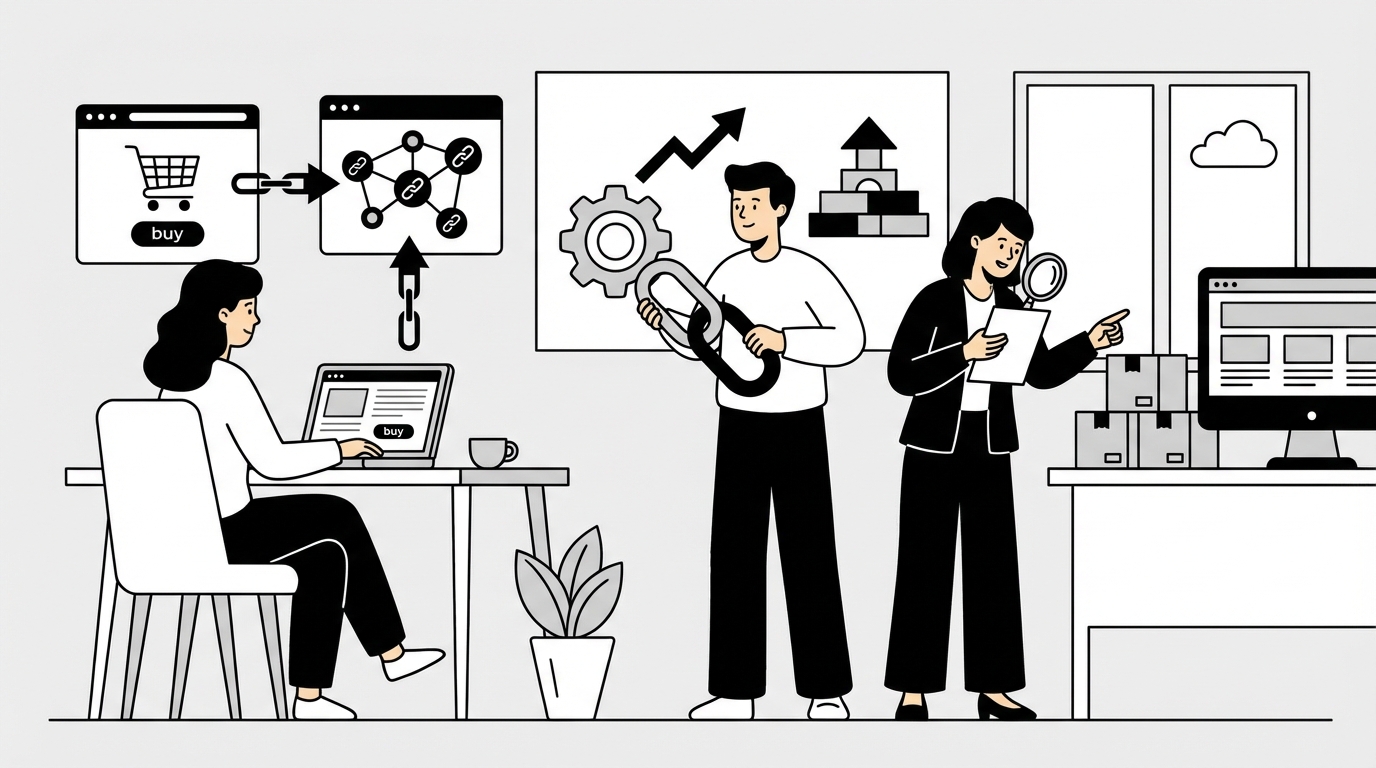
Ecommerce link building is the process of earning links from other websites to your online store. Those links (backlinks) act like votes of trust. Search engines use them to judge which pages deserve to rank.
For e-commerce sites, link building is a little different than for blogs. You’re often trying to rank category pages, product pages, and buying guides, not just articles. That means you need links that make sense for shoppers and publishers. A link to a “running shoes” category can be useful, but only if the page is helpful and easy to browse.
Think of it as off-page SEO that supports your on-page work. Great titles, clean internal links, and fast pages help, but they don’t replace outside trust. Links also bring referral traffic, brand awareness, and partnerships that can pay off beyond SEO.
One more thing, quality matters more than quantity. A few relevant links from real sites can beat dozens of weak ones. The goal is natural link acquisition that looks and feels earned, because it is.
Key Benefits of Ecommerce Link Building
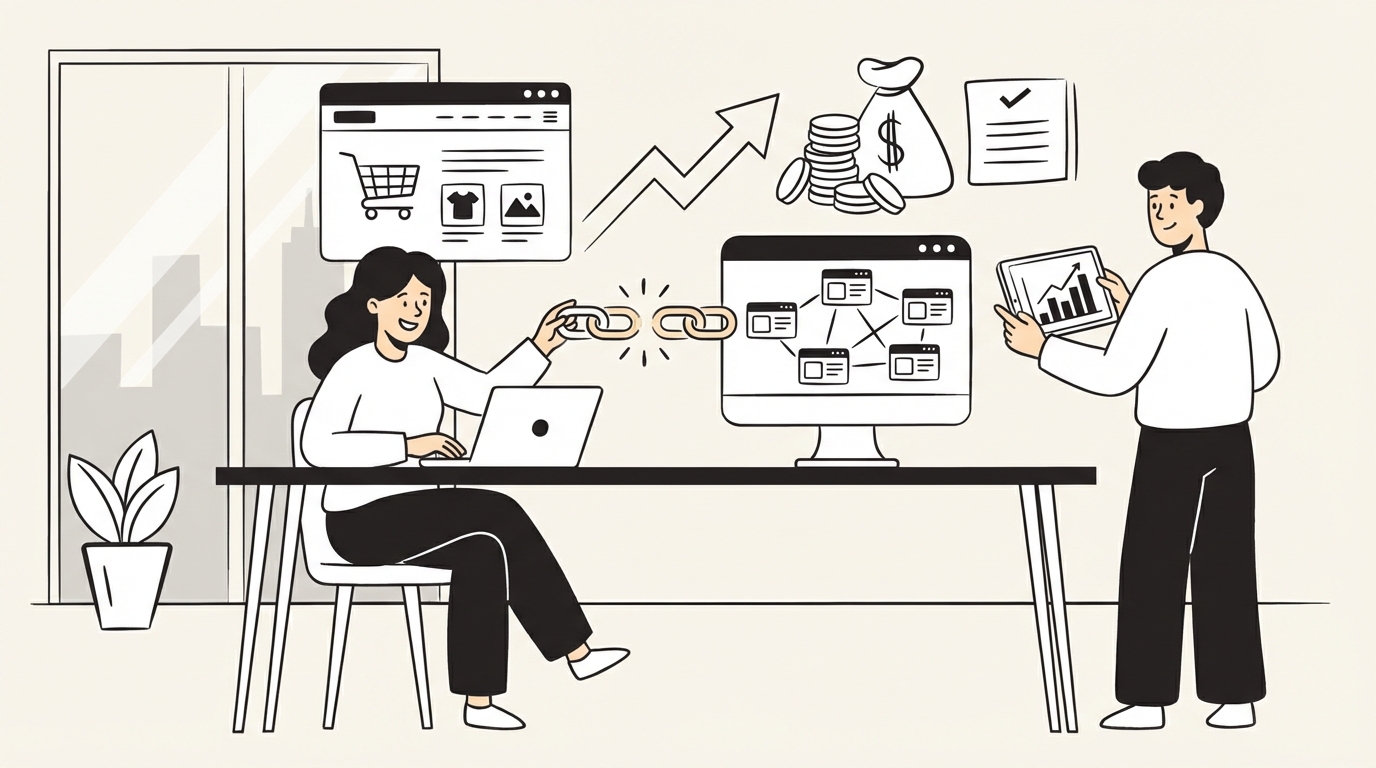
Ecommerce link building helps in ways you can measure, and in a few ways you can’t. The obvious win is rankings. Strong backlinks can lift category pages and buying guides, which often drive the most revenue.
Another benefit is website authority. When trusted sites mention you, search engines tend to crawl you more often and treat your pages as more credible. That can make new products get discovered faster.
You also get direct traffic. A link from a niche review site, a local newspaper, or a popular “best gifts” list can send shoppers who are ready to buy. Those visitors often convert better than cold traffic.
Links can reduce your dependence on ads. Paid traffic is great, but it stops the moment you stop paying. Organic traffic from strong pages can keep coming for months.
Finally, link building supports brand awareness. Even if someone doesn’t click today, they may remember your name later. That’s hard to track, but it’s real.
How to Get Started with Ecommerce Link Building

Before you chase links, set up a simple plan. Ecommerce link building works best when you know what you’re trying to rank, who you’re trying to reach, and what you can offer.
Start by picking 5 to 10 “money pages.” These are usually category pages, high-margin product lines, or evergreen guides that support sales. Make sure each page is worth linking to. Add clear copy, FAQs, strong images, and internal links to related items.
Next, define your audience personas. Who buys from you, and why? A parent shopping for safe toys needs different content than a sneaker collector. Personas help you pick the right publishers and angles for outreach.
Then decide how you’ll earn links. Most stores use a mix of content marketing, digital outreach, PR campaigns, and partnerships. You don’t need everything at once. Pick two approaches you can do consistently.
Last, set tracking basics. Watch referring domains, link quality, rankings for target pages, and assisted revenue from organic traffic. Keep it simple so you’ll actually keep doing it.
Step 1: Identify Link Building Opportunities
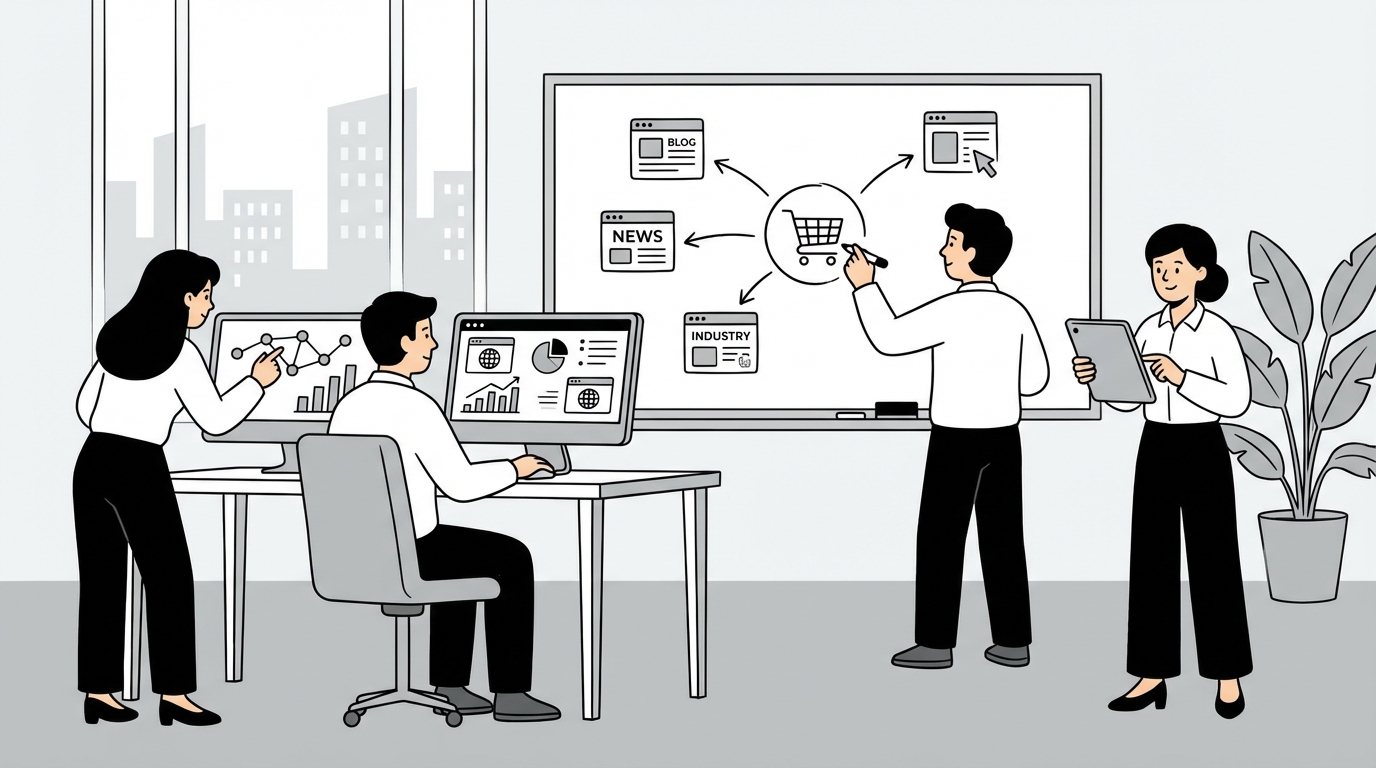
Good ecommerce link building starts with finding the right targets. You want sites that are relevant, real, and likely to link.
Begin with competitor link analysis. Look at stores that rank above you for your main keywords. Note which pages earn links, and from where. Patterns show up fast, like gift guides, “best of” lists, supplier pages, and local roundups.
Next, map opportunities by type:
Don’t ignore internal opportunities. If you have strong blog posts, link them to your categories and guides. Internal links won’t replace backlinks, but they help you pass value to the pages that matter.
Quick quality checks help you avoid junk. Ask: Does the site have real content? Does it rank for anything? Does it look maintained? If it feels spammy, skip it.
Step 2: Create Valuable Content for Link Acquisition
Content is the easiest “reason” for someone to link to you. In ecommerce link building, the trick is making content that supports sales without reading like an ad.
Focus on assets that publishers actually cite:
Make it easy to reference. Add a short summary near the top, clear headings, and a simple URL. Include images with descriptive file names and alt text. Visuals often earn links because writers can embed or cite them.
Here’s a real-world style example. A small home gym store published a “Dumbbell buying guide” with a simple chart showing space needed by weight type. Fitness bloggers linked to the chart when writing about apartment workouts. The store didn’t pitch products first. It solved a problem, then offered products as the next step.
Also, keep mobile in mind. If your guide is hard to read on a phone, people won’t share it. Mobile-friendly pages earn more natural links because they’re easier to use.
Step 3: Engage in Digital PR Campaigns
Digital PR is where ecommerce link building can scale, because you’re earning editorial mentions, not just asking for a link.
Start with a story angle that fits your niche. Journalists and editors want something timely or surprising. A few angles that often work:
Keep your pitch short. Offer the key point, the data source, and a link to the supporting page. If you have visuals, mention them. Editors love assets they can drop into a post.
A simple outreach email structure:
Ethics matter here. Don’t fake data, don’t hide conflicts, and don’t pay for “editorial” links. If something is sponsored, it should be labeled. Clean PR builds trust with publishers and with search engines.
Step 4: Leverage Partnerships for Link Building
Partnerships are one of the most reliable paths in ecommerce link building, because there’s already a reason to work together.
Start with your existing relationships:
Make the partnership useful for their audience. A link should be a byproduct of something valuable, like a shared guide, a local event, or a scholarship with clear rules and real impact.
Local SEO is a big missed opportunity for online stores with a regional base. If you have a showroom, warehouse pickup, or local story, get listed on local directories that matter, local press, and community sites. A local newspaper feature can drive both links and trust.
One practical example: a specialty tea shop partnered with a local bakery for a “pairing guide.” The bakery posted it on their blog and newsletter. Local food bloggers picked it up, and the tea shop earned links from three separate sites without asking each one directly.
Best Practices for Ecommerce Link Building
Ecommerce link building works best when you treat it like a long game. A few habits keep you safe and make results more consistent.
Prioritize relevance over raw metrics. A link from a niche site that your customers read can beat a generic link from a big directory.
Build to the right pages. Many stores only build links to the homepage. That helps, but you’ll usually want links to category pages, buying guides, and a few standout collections. Use internal links to connect those assets to product pages.
Keep anchors natural. If every link uses the same keyword-rich text, it looks forced. Encourage branded anchors, URL anchors, and natural phrases.
Use content syndication carefully. Republishing can help reach new audiences, but make sure the original is credited and avoid duplicate content issues.
Track link quality, not just counts. Look for:
Stay ethical. Avoid link schemes, private networks, and paid links that pass PageRank. They can work short-term, then hurt later.
Finally, plan for what’s next. Search is shifting toward brand signals, helpful content, and real expertise. That means future-proof link building looks more like PR, community, and useful resources, and less like trading links.
Troubleshooting Common Link Building Issues
Even solid ecommerce link building hits bumps. Here are common problems and what to do.
If outreach gets ignored, your pitch may be too broad. Tighten your target list and personalize the first two lines. Also check timing. Editors respond faster when your idea fits their current calendar.
If you’re earning links but rankings don’t move, look at where the links point. Are they going to pages that can rank? Category pages often need more text, better filters, and clearer intent matching. Also check internal linking so authority flows to key pages.
If links keep going to your homepage, create linkable assets that naturally deserve links. Data posts, charts, and guides attract deeper links.
If you’re worried about bad backlinks, don’t panic. Many sites get random spam links. Focus on earning more good ones. If you see a clear negative SEO pattern, document it and consider disavowing as a last resort.
If your content earns links but not sales, align it with buyer intent. Add product pathways like “recommended picks,” comparison tables, and FAQs. Keep it helpful, not pushy.
If mobile bounce rates are high, fix page speed, layout shifts, and navigation. Mobile experience affects sharing, engagement, and how likely someone is to cite your page.
Key Takeaways
Ecommerce link building is about earning trust from real sites, not collecting random backlinks. Start by making sure your key pages are worth linking to, then build a repeatable process.
Find opportunities through competitor research, niche publishers, local sites, and partner pages. Create content that people cite, like buying guides, original data, and visual assets. Use digital PR to turn your data and expertise into coverage. Partnerships can bring steady links with less cold outreach.
Keep your approach ethical and focused on relevance. Track quality, rankings, and organic traffic, not just link counts. Fix on-page issues when links don’t translate into results.
If you do a little each week, momentum builds. Over time, those mentions add up to stronger authority, more visibility, and a steadier flow of shoppers.
Try Rankpeak for Enhanced Link Building Strategies
If you want a clearer plan and cleaner execution, Rankpeak can help you turn ecommerce link building into a steady routine. Use it to organize prospects, track outreach, and keep an eye on link quality and progress over time. It’s especially handy when you’re juggling content ideas, PR angles, and partner requests at once. If you’re ready to make your link work more consistent, give Rankpeak a try and build from a simple, repeatable process.