Affordable Link Building Services: Real 2026 Prices and How to Buy Safely
"Affordable link building" can mean a $60 link that quietly helps a page rank, or a $60 link that does nothing, or worse. The price tag alone won't tell you which one you're buying. What matters is where the link sits, who reads that site, and whether the deal breaks Google's rules.
This guide gives you the published prices of four well-known link sellers (checked on 6 November 2026), what Google says about paying for links, the warning signs of cheap links, and a short checklist to run before you spend anything. It ends with cheaper ways to earn links you don't have to pay for.
What affordable link building costs in 2026
The best public benchmark is BuzzStream's link pricing study, last updated on 20 October 2026. From its marketplace data, a guest post bought directly from a site costs $295 on average, the same guest post bought through a vendor $461, and a link inserted into an existing article $179 (BuzzStream). Vendors charge more because they find the sites, negotiate and often write the post.
Here is what four popular sellers publish on their own pricing pages. These are starting prices for their cheapest options; promotions come and go, so check the page before you order.
Sources: the pricing pages of FatJoe, Rhino Rank, The HOTH and Loganix, each checked on 6 November 2026. Prices are in US dollars, before any discount code.
Three things drive the price. First, the site's authority score: DR (Ahrefs) and DA (Moz) are third-party estimates, not Google metrics, and they are easy to inflate. Second, real organic traffic: a site that Google actually sends visitors to is worth far more than one with a high score and no readers. Third, what's included: a new 1,000-word article costs more than a sentence added to a page that already exists.
So "affordable" is relative. A $200 link on a relevant site with real traffic is better value than ten $40 links on sites nobody reads.
What Google's rules say about paid links
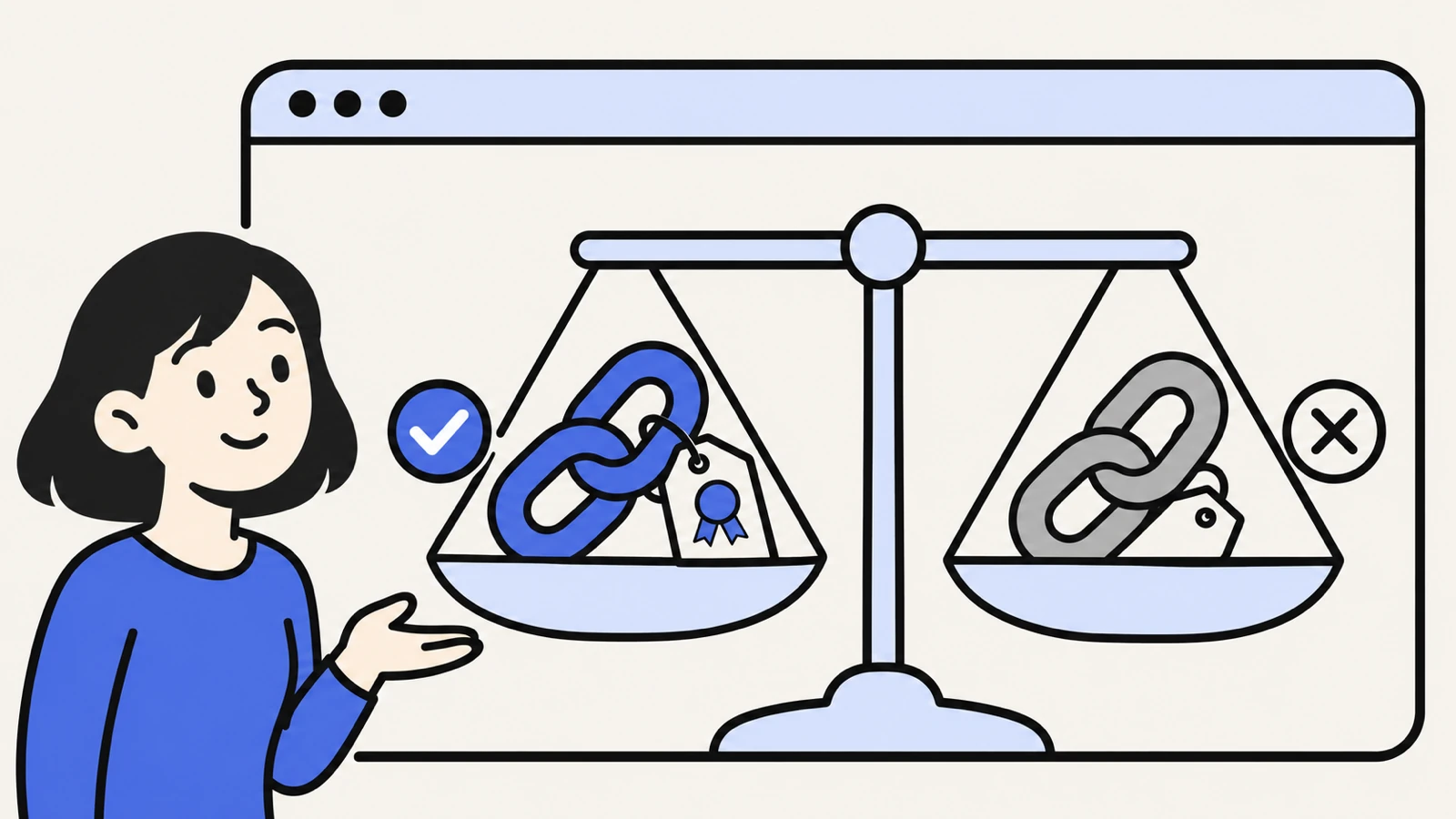
Google's spam policies define link spam as links created "primarily for the purpose of manipulating search rankings". The examples include buying or selling links for ranking purposes (paying for links, or for posts that contain links), excessive link exchanges, and guest posts or advertorials with paid links that pass ranking credit (Google Search Central).
Paying for visibility is not forbidden in itself. Google says buying and selling links for advertising is a normal part of the web, as long as those links carry a rel="sponsored" or rel="nofollow" attribute (Google: qualify your outbound links). What breaks the rules is a paid link presented as an ordinary editorial link so that it passes ranking credit.
That matters when you shop, because many "affordable dofollow guest post" offers sell exactly what the policy describes. The practical risk is that Google simply ignores those links, so the money buys nothing; and Google says sites that violate its spam policies "may rank lower in results or not appear in results at all". Decide what you're buying before you buy it: exposure and referral visitors from a relevant site (which a sponsored link can still bring), or an attempt to move rankings with a link that hides its price.
Cheap versus affordable: the warning signs
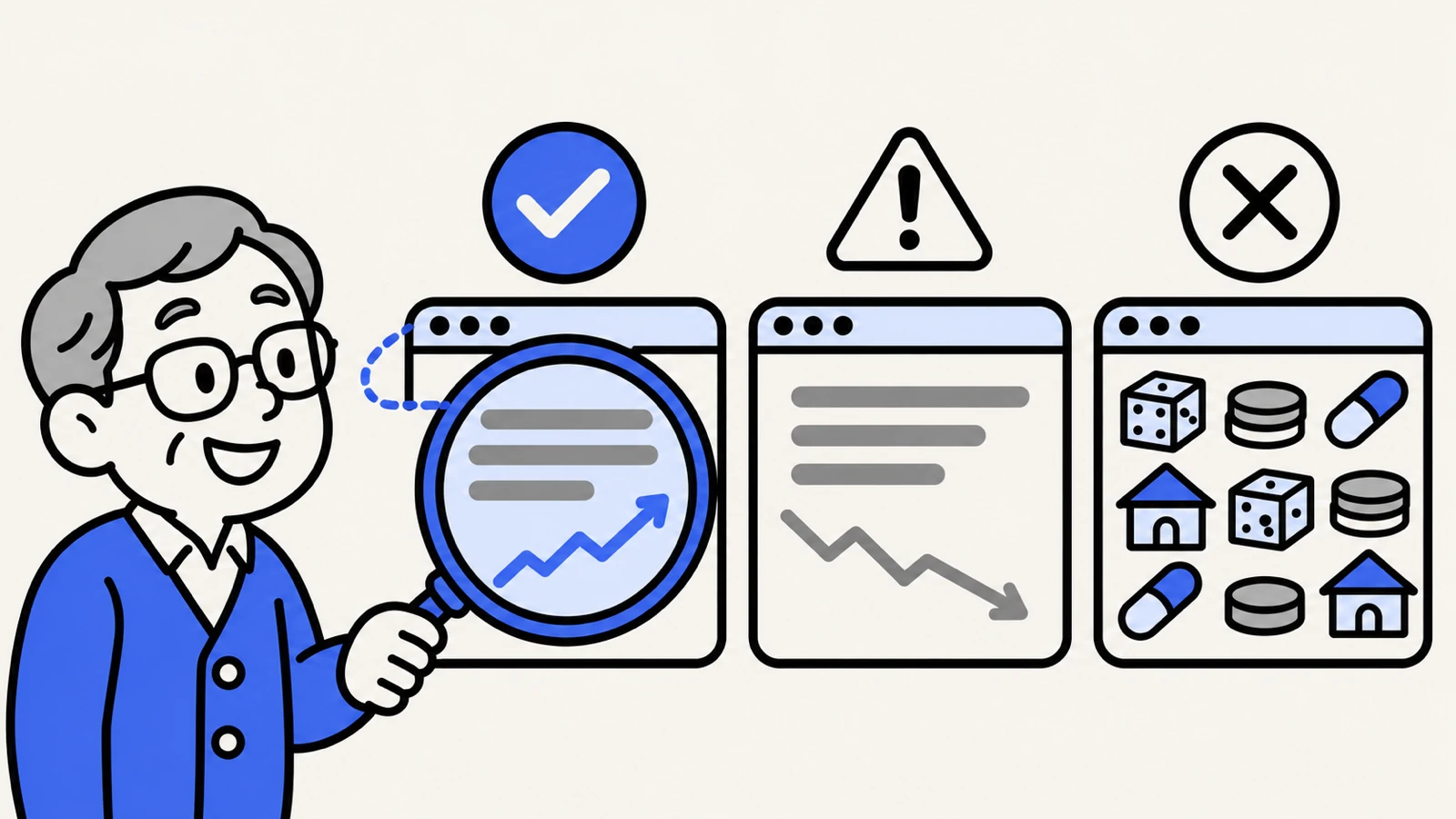
These red flags show up again and again in low-cost link offers. One of them is a reason to ask questions; several together are a reason to walk away.
Steps to vet a link provider before you pay
Cheaper ways to earn links without buying them
The most affordable link is the one someone gives you because your page is useful. These methods cost time rather than a price per link.
Where rankpeak fits
rankpeak is not a link building agency, and it doesn't sell links one by one. Its paid plans include backlinks from an exchange between rankpeak customers' blogs: when rankpeak writes an article for one site, it can add a link, in context, to a relevant article on another customer's site. Each paid website gets 100 backlink credits a month and receives at most one link a day while it has credits; a link costs 10 credits, or the linking site's domain rating when that is higher, and lost links are refunded. The dashboard shows each link with a relevance score against your topic.
Because it is an exchange, treat it like one. Google's policy names "excessive link exchanges" as link spam, so these links work best as a modest, relevant complement to the links you earn with the methods above, not as your whole strategy. You can compare what each plan includes on the pricing page.
Frequently asked questions
How much does one backlink cost in 2026?
BuzzStream's October 2026 data puts the average guest post at $295 when bought directly from a site and $461 through a vendor, and a link insertion at $179. Published starting prices from FatJoe, Rhino Rank, The HOTH and Loganix range from $60 to $200, rising with the site's authority score.
Are cheap backlinks safe?
The risk comes from the method, not the price. A paid link that passes ranking credit falls under Google's link spam policy whether it costs $20 or $2,000. Cheap offers are riskier mainly because they more often come from sites built to sell links, which Google tends to ignore.
Do sponsored or nofollow links help SEO?
They are the honest way to pay for a placement, and they can still bring visitors and make your brand visible to the right readers. Don't expect them to move rankings the way an editorial link from a trusted site can.
How many backlinks does a page need to rank?
There is no fixed number. Look at the pages that rank for your keyword in a backlink tool and compare the number of linking sites and their relevance. A few links from relevant sites with real readers usually beat many links from unrelated ones.

About the author
Benjamin is the founder of rankpeak. He builds software for small teams that want organic growth without an agency, and reviews every rankpeak guide before it goes live.
All his guidesConnect on LinkedInFollow @benjaminatsf on XHow we write and test