Manual Link Building Services in 2026: What "Manual" Means and 5 Providers Compared
Almost every link building company now describes its work as manual. The word is supposed to reassure you: a person, not a script, found the site and asked for the link. Sometimes that is exactly what happens. Sometimes "manual" means someone picked your placement from a price list by hand.
This guide explains what manual link building involves, how to check that a provider really does it, and what five providers that sell it publish about price, contract length, guarantees and reporting. Everything about them comes from their own pages, read on 6 November 2026. None of them paid to be here, and rankpeak isn't one of them.
What manual link building actually means
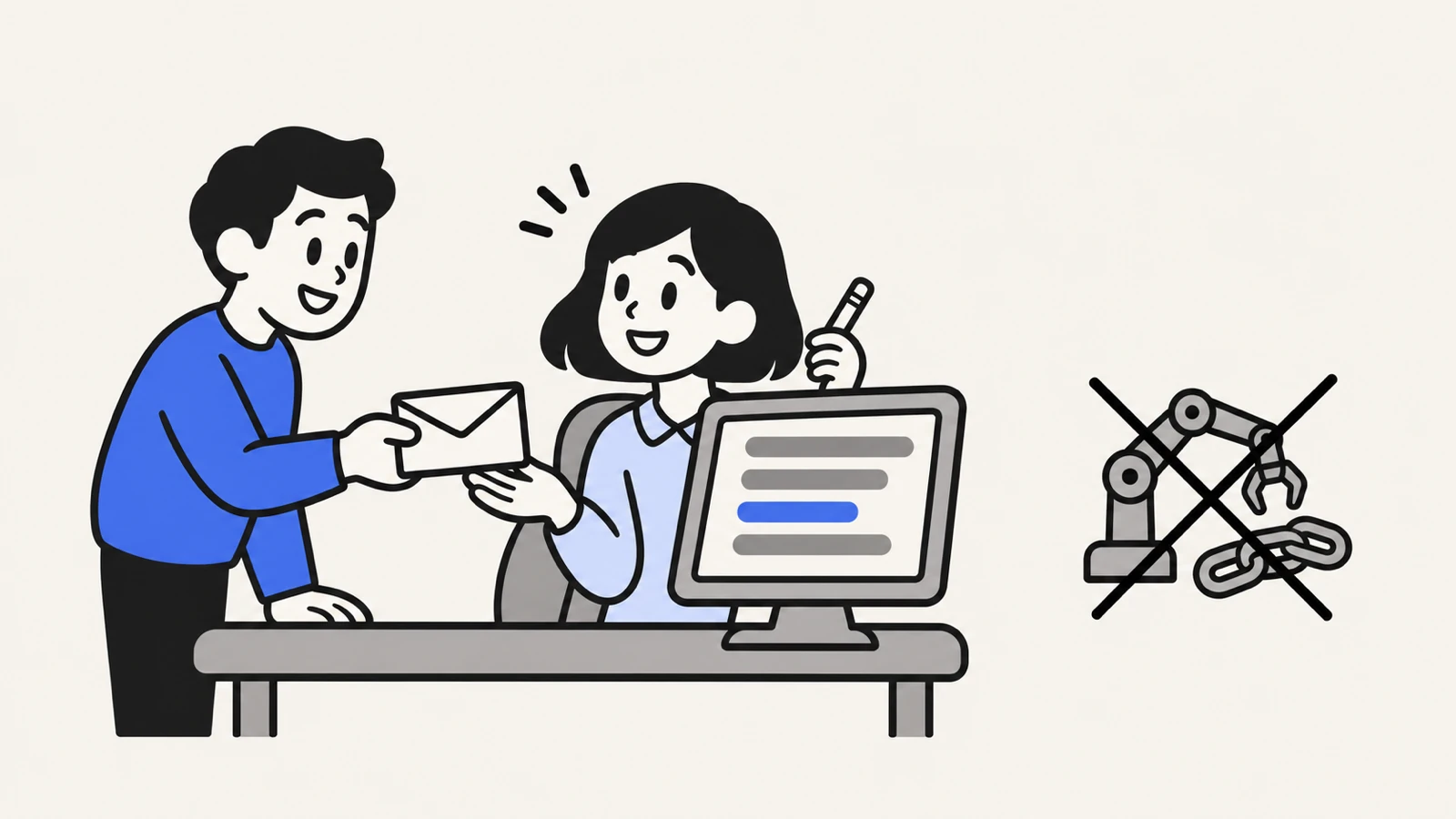
In a genuine manual campaign, someone on the provider's team researches sites that cover your topic, finds the person who edits the page, writes a pitch explaining why your page helps that site's readers, and follows up. The editor decides whether to add the link and where. The common forms are guest articles, resource and broken-link outreach (suggesting your page in place of a dead one), asking for a link where your brand is already mentioned, and digital PR.
It is easiest to understand by what it excludes:
"Manual" describes how the link is obtained. It doesn't tell you whether money changed hands: many outreach services still pay publishers an editorial or content fee. Google's rules care about the money, so keep the two questions separate when you compare offers.
Manual link building services compared
Sources, all read on 6 November 2026: Outreach Monks, LinkBuilder.io, Stellar SEO, uSERP and Page One Power. Prices are in US dollars as published. DR is Ahrefs' Domain Rating, a third-party score that Google doesn't use.
The five providers in more detail
Outreach Monks is the most transparent on price. Its packages run from Regular at $599 a month for 5 links to Majestic at $5,999 for 30, with a custom tier above, and it quotes single links from $99 at DR20. It says every link comes from "100% manual outreach" with no PBNs, bills month to month, and promises to rebuild or replace any link removed within six months of going live. Progress is tracked in a live Google Sheet.
LinkBuilder.io sells larger outreach campaigns: Startup at $2,999 a month for 8 links, Pro at $5,999 for 16 or more, Growth at $9,999 for 26 or more, and Enterprise at $19,999 for 53 or more, plus an Earned Media plan at $3,500. It advertises links with an average DR of 50 to 90 and asks for a six-month contract with a 90-day opt-out window.
Stellar SEO offers both models. Per link, guest posts and blogger outreach cost $297 to $600 and niche edits (a link added to an existing article) $225, depending on the site's authority, traffic and relevance. Managed campaigns start at $2,500 a month, and it says most active campaigns are about $5,000. Its pricing page calls this managed outreach and doesn't use the word manual, nor does it state a contract length or replacement policy.
uSERP works at the top of the market. It says it uses "manual outreach and long-standing relationships" with publishers, runs six-month engagements with a 60-day opt-out, and replaces a lost link within six months with one of equal or better metrics. Clients get a portal connected to Google Analytics, weekly updates and quarterly deep-dive reports. Its page warns that paying much less than $900 per placement probably buys a worthless link; read that as a seller's view, not a market rule.
Page One Power has built links since 2010 and describes a fully manual approach to vetted publishers, with no link farms or paid placements. It builds a proposal for each client instead of selling packages, sends monthly reports with quarterly reviews, and shows each backlink as it is placed with its URL, anchor text and the publisher's traffic.
What the price differences pay for
A $99 link and a $900 link are not the same product with a different margin. Price mostly follows three things: how authoritative and well-trafficked the linking site is, how much persuasion the link takes, and how much strategy surrounds it. At the low end you are paying for access to sites that accept contributions. At the high end you are paying for research, content worth linking to, publisher relationships and someone accountable for results.
Monthly campaigns also hide a per-link cost worth calculating. LinkBuilder.io's Startup plan works out at about $375 per link, Outreach Monks' Regular package at about $120. Neither number is good or bad on its own; compare it with the quality of the sample placements each provider shows you. For a wider view of per-link prices, see our guide to affordable link building services.
How to check that the outreach is really manual
Steps to run manual outreach yourself
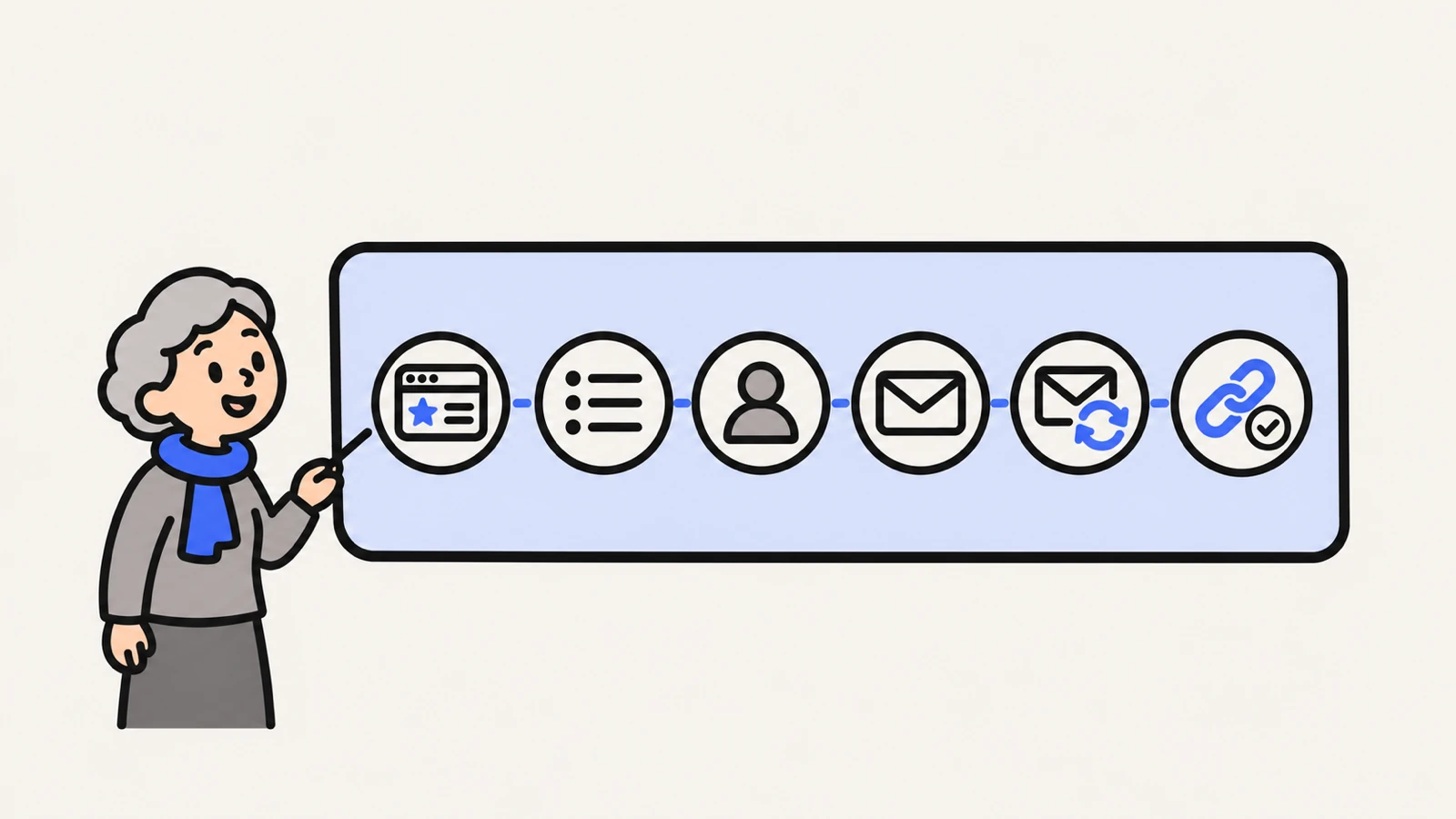
Expect a modest reply rate, and expect it to rise as your page gets better. The tools for each step, from backlink research to outreach software, are compared in our guide to link building platforms.
Google's rules apply to manual links too
Under Google's spam policies, any link intended to manipulate rankings can be treated as link spam, whoever builds it and however carefully. Its examples include buying or selling links that pass ranking credit, excessive link exchanges, and large-scale guest posting campaigns with keyword-rich anchor text. When a publisher is paid, Google asks for the link to be marked rel="sponsored" or rel="nofollow" (qualifying outbound links).
In practice, the safest manual links are the ones an editor would have added anyway once they saw your page: varied, natural anchor text, on sites your customers actually read. Our comparison of the best backlink services covers the other kinds of provider, from digital PR agencies to guest post vendors.
Where rankpeak fits
rankpeak isn't a manual link building service: nobody on our team emails editors on your behalf. It finds keywords your site can win, then writes and publishes articles on your site, and each paid website gets 100 backlink credits a month, spent on links placed in context in relevant articles on other rankpeak customers' sites. A link costs at least 10 credits, more when the linking site's domain rating is higher, and lost links are refunded.
That is an exchange, and Google lists excessive link exchanges as link spam, so treat it as a modest complement to the outreach links described above, not a replacement for them. What each plan includes is on the pricing page.
Frequently asked questions
What is manual link building?
Earning backlinks through individual outreach: a person finds a relevant site, contacts its editor and explains why your page helps their readers, and the editor decides whether to link. It is the opposite of links created by software in bulk or bought from a catalog.
How much do manual link building services cost?
On the providers' own pages in November 2026, single links started around $99 for a DR20 site and reached $600 for stronger guest posts, while published monthly packages ran from $599 to $19,999. uSERP puts quality services at $5,000 to $25,000 or more a month.
Is manual link building safe?
It is the safest way to build links when the links are editorial: the publisher chose to add them, and nobody paid for ranking credit. Paid placements should carry rel="sponsored" or rel="nofollow", and a large campaign of guest posts with exact-match anchors can still count as link spam.
How long does manual link building take to work?
Expect weeks for the first links to go live and months for their effect on rankings to show. It is one reason two of the providers above ask for six-month contracts with an opt-out window.

About the author
Benjamin is the founder of rankpeak. He builds software for small teams that want organic growth without an agency, and reviews every rankpeak guide before it goes live.
All his guidesConnect on LinkedInFollow @benjaminatsf on XHow we write and test