Master outreach backlinks with proven steps
Understanding Outreach Backlinks
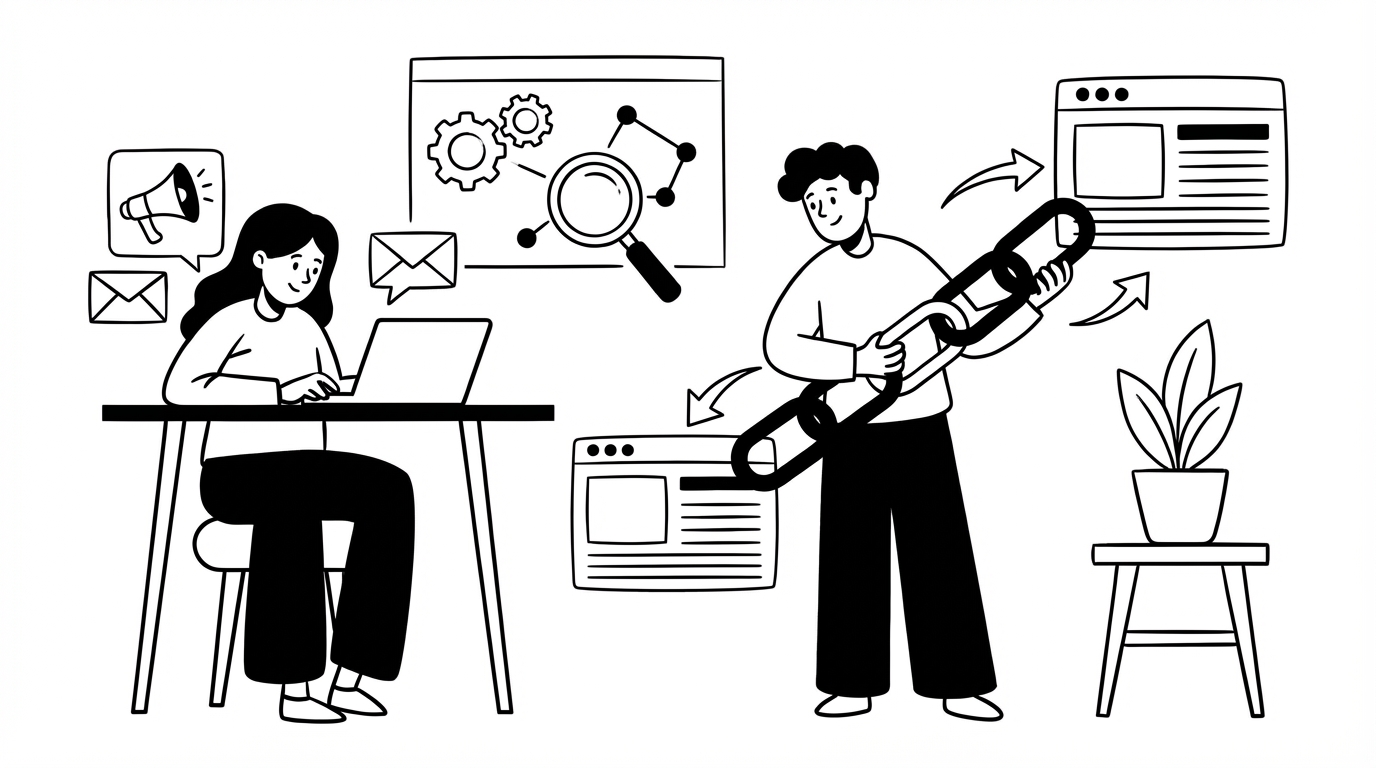
Outreach backlinks are links you earn by contacting people who run websites, newsletters, or communities and giving them a real reason to reference your page. You’re not buying links or swapping favors in secret. You’re doing content promotion and relationship building so the right people discover your work.
Why do they matter? A strong link from a relevant site can lift organic search visibility, send referral traffic, and improve trust. It also helps your brand mentions show up in places your audience already reads.
The catch is that outreach only works when you respect the other person’s time. If your pitch feels copy-pasted, or your content doesn’t help their readers, you’ll get ignored. But when you match the right page with the right publisher, it can feel like a win-win.
Think of it like digital PR for SEO. You’re earning attention, not demanding it.
Key Concepts in Outreach Backlinks

Before you send a single email, you need a few basics clear.
First, relevance beats raw authority. A link from a smaller site in your niche can outperform a random high-metric domain. Search engines and humans both care about topical fit.
Second, intent matters. Are you trying to earn a citation for a data point, get included on a resource-guide) page, reclaim a brand mention, or pitch a guest contribution? Each goal needs a different outreach strategy and a different landing page.
Third, link placement and context change the value. A link inside a useful paragraph usually carries more weight than a footer link or a list of “partners.”
Finally, relationships compound. If you help an editor once, they’re more likely to open your next message. That’s how influencer marketing, online reputation management, and authority building start to overlap with SEO outreach.
How-To: The Process of Outreach Backlinks
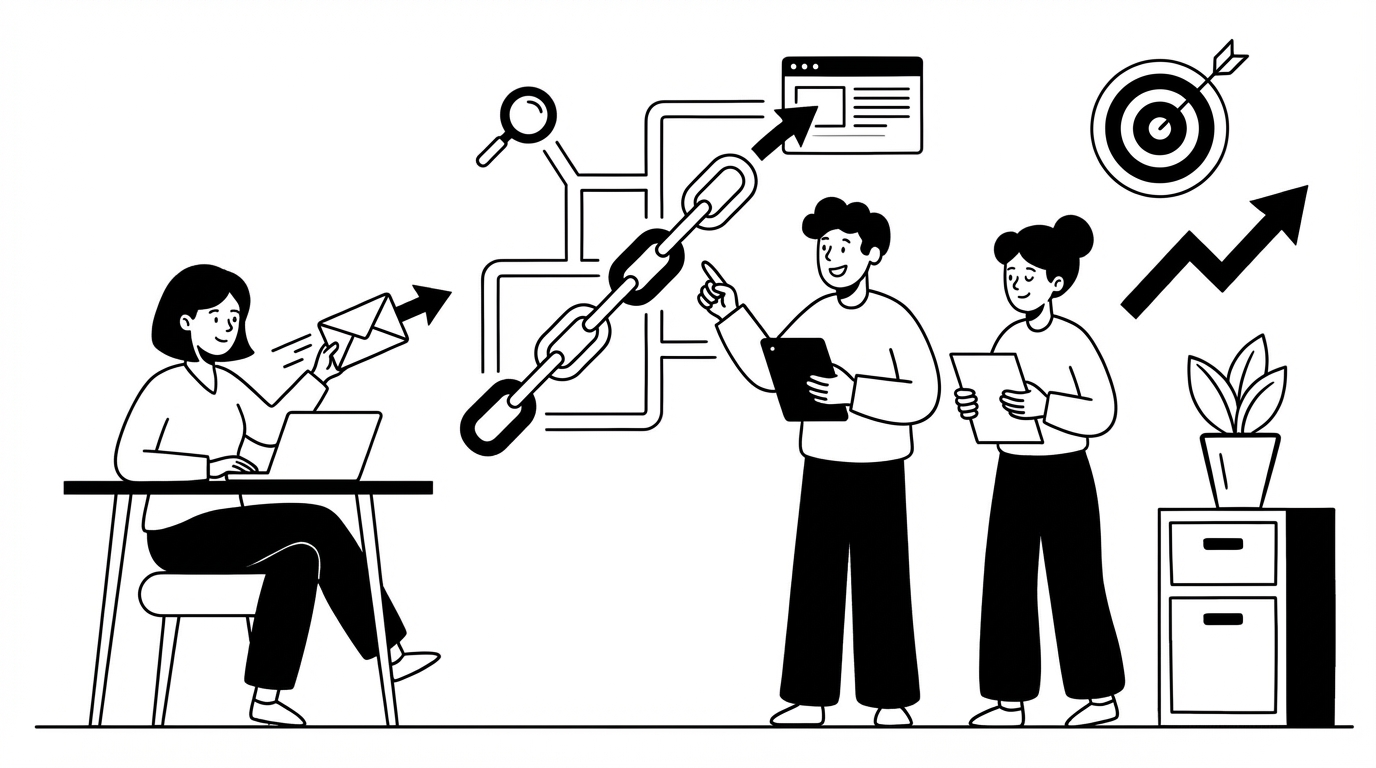
A repeatable process keeps you from guessing. The goal is simple: find the right sites, offer something genuinely useful, and track what happens.
At a high level, outreach backlinks come from five moving parts: targeting, assets, messaging, follow-up, and measurement. Miss one and the whole thing feels harder than it should.
You’ll also want to decide how “manual” you want to be. Some teams do everything by hand for maximum personalization. Others use light automation for research, reminders, and logging. Either way, the human part still matters.
Below is a step-by-step workflow you can reuse for link acquisition across campaigns, pages, and even different brands.
Step 1: Identify Your Targets
Start with a clear list of who you want links from and why they would link.
keyword + "resources", keyword + "statistics", keyword + "recommended", keyword + "tools", site:.edu keyword + "resources".Targeting niche markets (where most people miss)
Niche outreach is often easier because the audience is tighter. Look for:
Prioritize targets where your content fills a gap. If you can’t explain the gap in one sentence, move on.
Step 2: Create Compelling Content
Outreach fails most often because the content isn’t worth linking to. You don’t need a 5,000-word masterpiece every time, but you do need a clear reason to cite your page.
Aim for “linkable assets.” These are pages that make someone’s article better with one click.
Common assets that earn links:
A quick quality test: if a writer quoted your page, what line would they quote? If you can’t find that line, add it.
Also make the page easy to link to. Use descriptive headings, a short summary near the top, and clean URLs. If your page is slow or full of popups, you’re making the editor’s job harder.
Content syndication can help discovery, but don’t confuse it with earning links. Your asset still needs to stand on its own.
Step 3: Crafting Your Outreach Message
Your email has one job: make it easy for someone to say “yes” in under a minute.
Keep it short. Make it personal. Be specific about where your link fits.
A simple structure that works
Email templates (edit heavily)
Use these as starting points, not copy-paste scripts.
Template A: [Resource](https://rankpeak.co/blog/resource-link-building-guide) page addition
Hi [Name],
I was reading your [Page Title] resource list, the section on [specific section] was especially helpful.
I put together a [type of asset] on [topic] that covers [specific gap]. If you think it helps your readers, here’s the link: [URL].
Would you consider adding it to the [section name] section?
Thanks either way,
[Your name]
Template B: Broken link replacement
Hi [Name],
Quick heads-up, the link to [old resource] on your page [Page Title] looks like it’s returning a 404.
If you’re updating it, this page covers the same topic with [one differentiator]: [URL].
Hope that helps,
[Your name]
Template C: Data citation pitch (digital PR style)
Hi [Name],
I enjoyed your piece on [topic], especially the part about [detail].
We recently published new data on [metric] across [sample size / scope]. One stat that stood out: [stat].
If you’re updating the article or writing a follow-up, you can cite the source here: [URL].
Best,
[Your name]
Template D: Brand mention reclamation
Hi [Name],
Thanks for mentioning [brand/product/person] in your article [Title].
Would you be open to linking the mention to our page so readers can find the details? Here’s the best URL: [URL].
Appreciate it,
[Your name]
Personalization that doesn’t take forever
If you can’t personalize beyond the name, your targeting is probably too broad.
Step 4: Following Up Without Annoying
Most links come from follow-up, not the first email. People are busy. Your message gets buried.
A good follow-up is polite, short, and adds something new.
A simple follow-up plan:
Follow-up template:
Hi [Name],
Just bumping this in case it got lost. If it’s not a fit, no worries.
If it helps, the most relevant spot is right under your section on [section]. Here’s the link again: [URL].
Thanks,
[Your name]
What not to do:
If you’re doing SEO outreach at scale, set reminders and keep notes. That’s where light automation helps, even if the emails stay personal.
Step 5: Tracking and Evaluating Success
If you don’t track, you’ll repeat the same mistakes. Tracking also helps you prove results to a boss or client.
Track at three levels: outreach activity, link outcomes, and business impact.
Outreach activity metrics
Link outcomes
Business impact
Use a simple spreadsheet or CRM-style log with columns like: Prospect, Page URL, Contact, Email 1 date, Follow-up dates, Status, Link URL, Notes.
For evaluation, look for patterns:
A small case study example:
That’s a common outcome. Data earns citations, and citations support authority building.
Best Practices for Outreach Backlinking
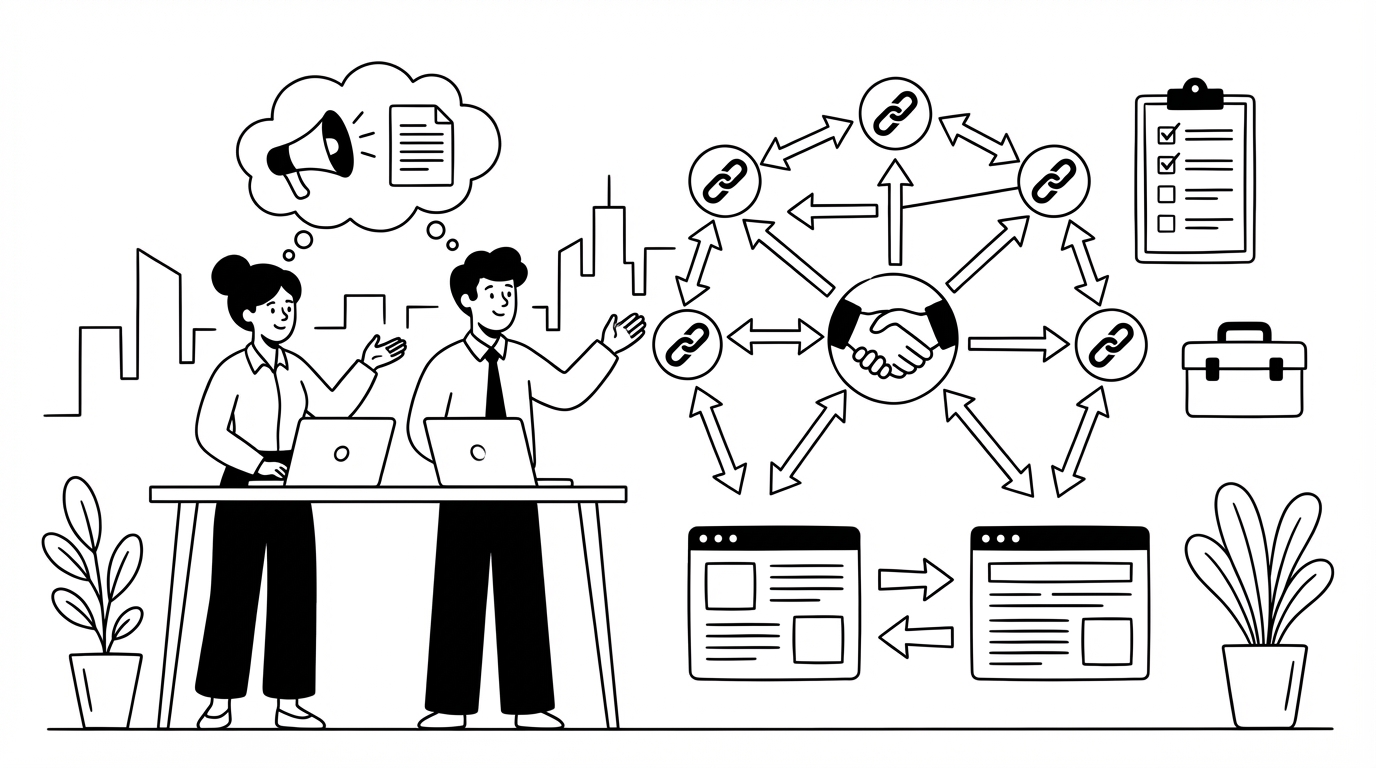
Good outreach is mostly good manners plus good prep. These practices keep your success rate steady.
If you’re doing outreach backlinks for content marketing, plan campaigns around real publishing moments. New data, a product update, or a seasonal trend gives people a reason to care now.
Also, don’t ignore internal linking. When you earn a strong external link, make sure that page links to other key pages on your site. That spreads value and helps users.
Troubleshooting Common Issues
When outreach feels stuck, the problem is usually one of a few things.
Low reply rates
Fix: tighten your list, shorten the email, and reference a specific section.
Lots of replies, few links
Fix: improve the asset, make the placement obvious, and prioritize active sites.
“We only add partners/sponsors” responses
Fix: don’t argue. Skip them and focus on editorial opportunities. If you do paid sponsorships, keep them separate from SEO goals and follow proper disclosure.
You’re targeting niche markets but can’t find prospects
Fix: look for newsletters, podcasts, event pages, association directories, and “recommended resources” pages. Also search for brand mentions and unlinked citations.
Outreach automation tools: what to automate (and what not to)
Automation can help with:
Don’t automate:
If automation makes your message feel fake, it will backfire.
Case studies that show what works
If you’re not sure which to try first, start with mention reclamation and broken links. They’re the most “helpful” by nature.
Key Takeaways
Outreach backlinks are earned when you match the right content with the right publisher and make the ask easy.
Keep your workflow simple:
If you want faster progress, focus on niche markets where your expertise is obvious. Combine SEO outreach with digital PR thinking, real relationship building, and solid content marketing. Over time, those small wins stack into authority, traffic generation, and a stronger online reputation.
Try Rankpeak for Automated Link Building
If you’re doing outreach backlinks regularly, the busywork can pile up fast, prospecting, follow-ups, and keeping clean records. Rankpeak can help you stay organized and consistent by automating parts of the process while you keep control of the message and the relationships. If you want a calmer workflow and fewer dropped balls, it’s worth trying Rankpeak alongside the outreach habits you’ve learned in this guide.