11 Backlink Building Sites: Tools, Tips, and Picks
Rankpeak: Small Business Owners
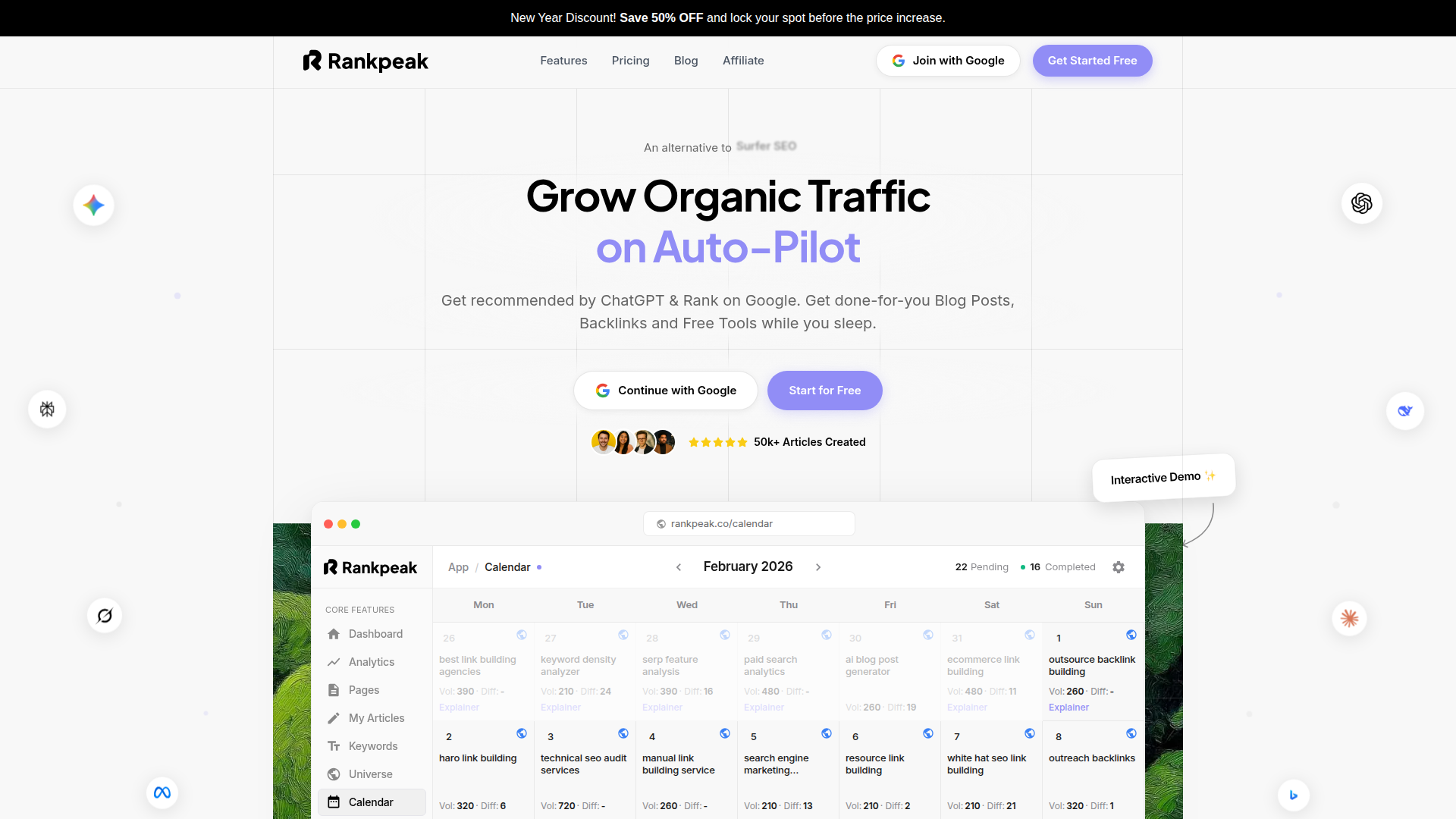
Backlink building sites can feel like a maze when you’re running a small business. Rankpeak is built for people who need clarity, not more tabs. It’s a link-focused SEO tool that helps you find realistic link opportunities, track what you’ve earned, and keep your outreach organized.
What makes Rankpeak stand out in this category is how it ties link building strategies to day-to-day work. Instead of dumping a giant list of “authority websites,” it helps you spot which pages on your site deserve links first, then suggests the types of sites that usually link to content like yours. That’s a big deal if you’re juggling content marketing, local SEO, and a dozen other tasks.
Rankpeak also fits teams. You can keep notes on contacts, track status, and avoid sending the same pitch twice. If you want a practical way to manage backlinks without turning link building into a full-time job, Rankpeak is worth a close look. If you’re ready to tighten up your process, start by auditing your current links in Rankpeak and building a short list of targets you can actually reach this month.
Key Features
Rankpeak focuses on the parts of link building that usually break down: picking targets, staying consistent, and measuring results.
You get backlink analysis to see which pages earn links, which anchors show up, and where gaps exist versus competitors. That makes it easier to choose content that deserves a refresh before you pitch it.
Rankpeak also supports prospecting workflows. You can build lists of relevant sites, tag them by niche, and track outreach status. For small teams, that “light CRM” feel matters because it keeps digital marketing tactics from living in scattered spreadsheets.
Another useful angle is quality control. Rankpeak helps you flag risky patterns like too many low-quality website directories, repeated anchors, or sudden spikes that look unnatural. That’s helpful when you’re using backlink building sites alongside guest blogging, online PR, and content distribution.
Pricing Info
Rankpeak pricing typically follows a tiered model so you can match cost to how often you build links.
Most small businesses do fine with an entry plan that covers core backlink analysis, project tracking, and a modest number of prospects and reports. As your needs grow, higher tiers usually add more tracked keywords, more competitor comparisons, and larger outreach lists.
If you’re a marketing team, look for options that include multi-user access and shared projects. That’s where the value shows up, because you’re paying to reduce handoffs and missed follow-ups.
Before you commit, map pricing to your workflow. Ask: How many campaigns do we run at once? How many pages are we actively trying to rank? If the tool helps you earn even a few solid links from authority websites each quarter, the math often works out.
Pros and Cons
Pros & Cons
HARO: High-Quality Media Backlinks

HARO is one of the most well-known backlink building sites for earning links through media coverage. Journalists post requests, and sources reply with quotes, data, or quick expert takes.
The appeal is simple: a single mention can land you a link from a high domain authority publication. That can lift trust fast, especially for new brands.
HARO works best when you can answer quickly and clearly. Reporters get flooded with replies. If your pitch is long, salesy, or off-topic, it won’t get used.
For local SEO backlinks, HARO can still help. Look for requests tied to your city, state, or industry. A local business owner quote can fit lifestyle, business, and travel pieces.
Key Features
HARO sends email digests with categorized requests, often multiple times per day. Categories include business, tech, lifestyle, health, and more.
You reply directly with your quote and credentials. If selected, you may get a mention, a link, or both.
A smart approach is to build a “quote bank.” Keep short bios, proof points, and stats ready. That way you can respond in minutes.
Track outcomes like you would any content marketing campaign. Which topics get picked up? Which angles fall flat? Over time, you’ll learn what reporters in your niche want.
Prominent Sections
HARO’s value comes from its topic buckets. Business and High Tech often have the most SEO-friendly opportunities, but Lifestyle can be great for consumer brands.
Pay attention to requests that ask for:
Those tend to earn cleaner mentions than generic “tell me about your product” prompts.
Also watch deadlines. Some requests close the same day. Speed is part of the game on backlink building sites like this.
Pros and Cons
Pros & Cons
SourceBottle: Media Exposure & Backlinks
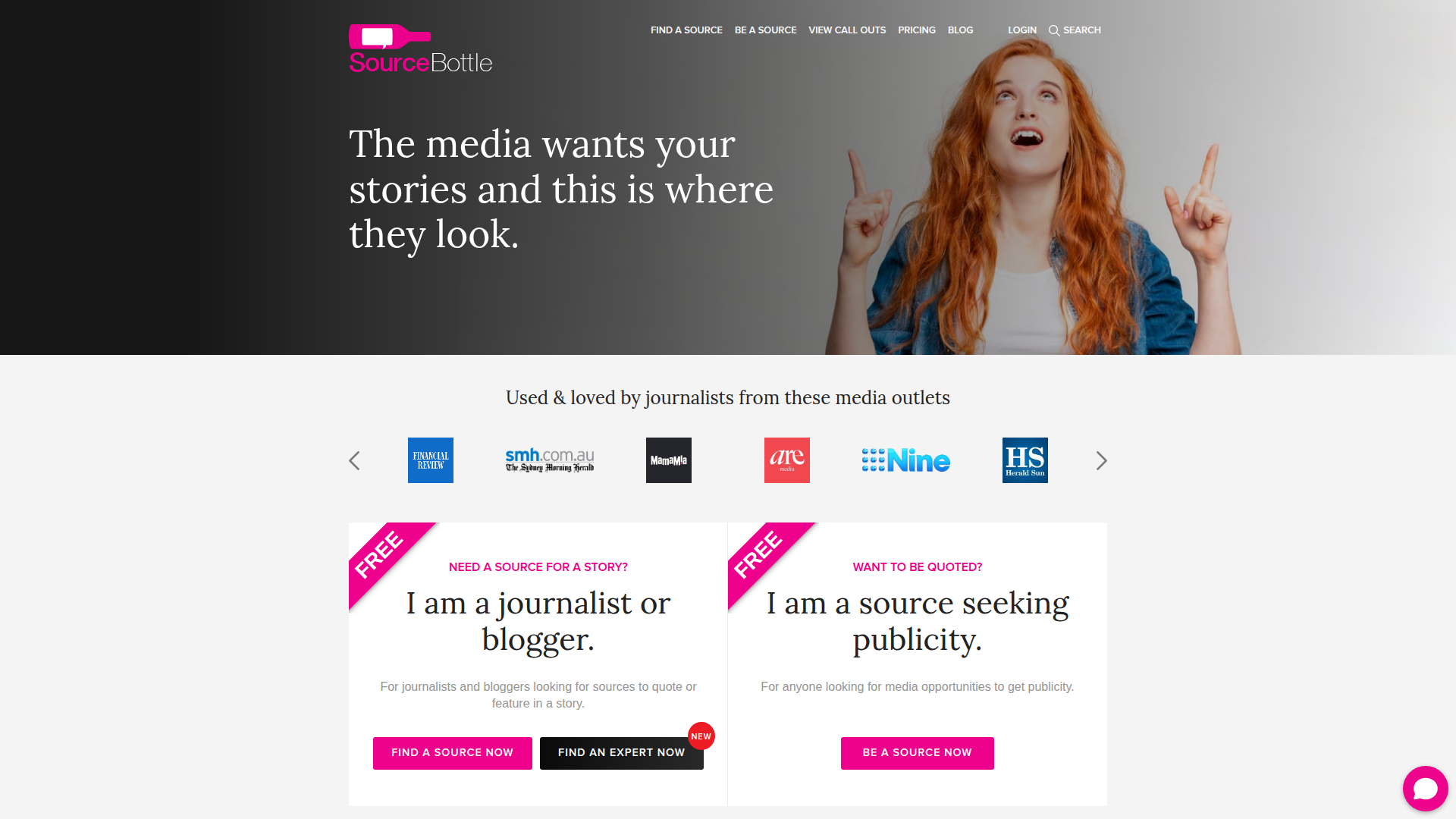
SourceBottle is similar to HARO. It connects journalists and bloggers with expert sources. If you’re looking for backlink building sites that lean into online PR, it’s a solid option.
You’ll see requests across business, lifestyle, travel, and niche topics. Some placements are smaller blogs, others can be well-known outlets.
The trick is to treat it like relationship building. Even if you don’t get a link every time, you can become a go-to source. That can lead to repeat mentions.
If you’re a small business, focus on requests where you have a real story. A quick lesson learned, a customer trend, or a local angle often beats generic advice.
Key Features
SourceBottle provides request listings and email alerts. You can browse by category and respond with your pitch.
It’s helpful for niche-specific backlink resources because requests can get very specific. Think “wedding photographer tips,” “HVAC maintenance mistakes,” or “accounting for freelancers.”
To improve your odds, include:
Keep links minimal. Many editors prefer a clean quote and will add the link themselves if they trust you.
Pros and Cons
Pros & Cons
Business 2 Community: Content Reach for Marketers
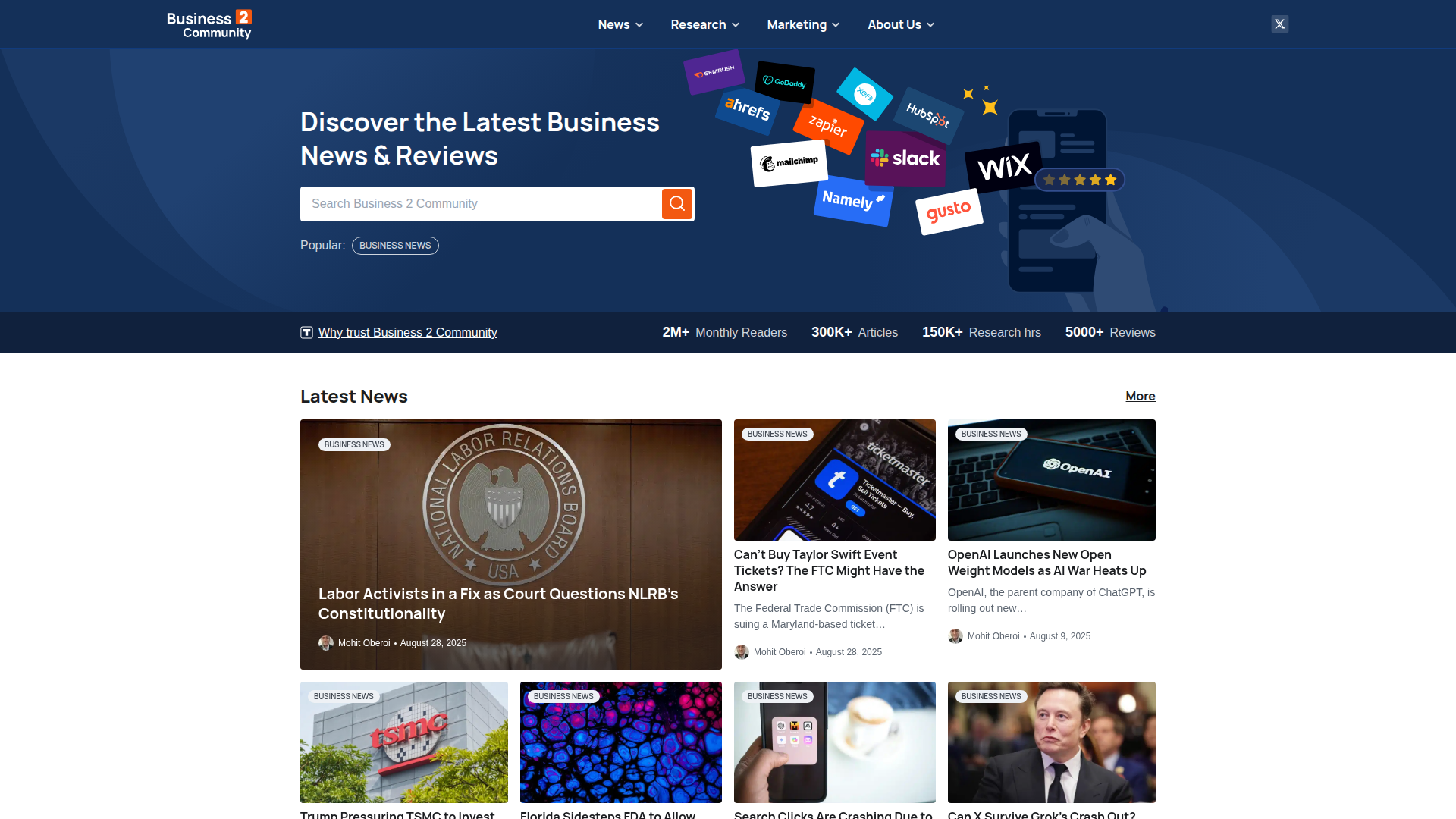
Business 2 Community (B2C) is a publishing platform where marketers share articles. As backlink building sites go, it’s more about content distribution than outreach.
If you already write useful how-to posts, B2C can help you reach a new audience. The SEO value depends on how links are handled and how your content is indexed.
The bigger win is often indirect. A strong article can get shared, quoted, or referenced by other sites. Those secondary links can be more valuable than the original placement.
Treat it like a channel in your content marketing plan. Publish pieces that answer real questions, then point readers to deeper resources on your site.
Key Features
B2C supports contributor accounts and lets you publish long-form posts. You can add images, headings, and links.
It’s useful for testing topics. If a post performs well, you can expand it into a full guide on your own site.
For link building strategies, focus on:
That kind of content tends to earn organic traffic and mentions, which is the long game behind most backlink building sites.
Pros and Cons
Pros & Cons
BizSugar: Community Engagement for Small Businesses
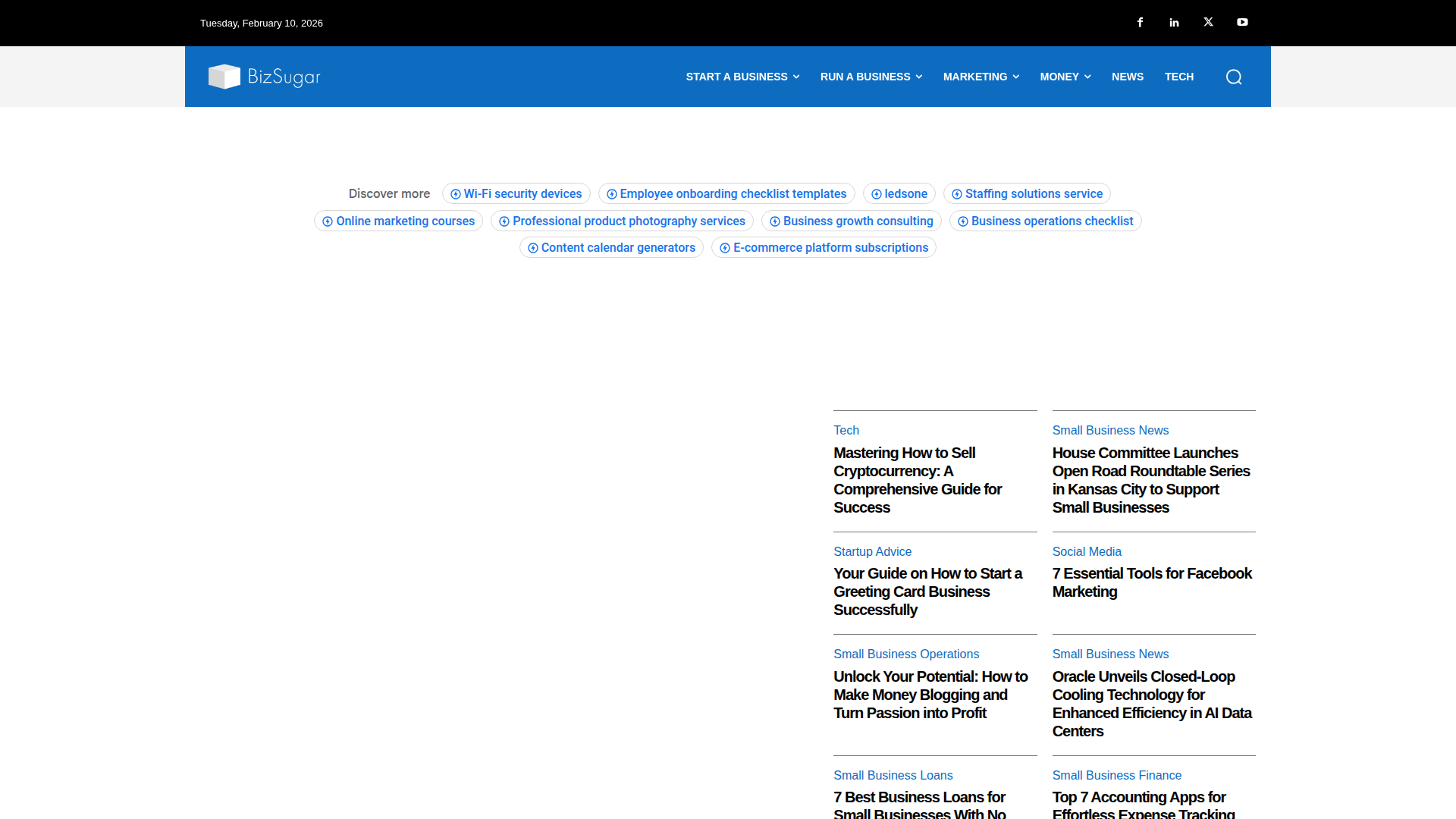
BizSugar is a community where small business owners share and vote on content. Think of it as social sharing with a business focus.
Among backlink building sites, BizSugar is more community-driven. The direct link might not be the main prize. The real benefit is visibility with people who run sites, newsletters, and blogs.
If you publish practical guides, BizSugar can help you get early traction. That traction can lead to natural links later.
It’s also a decent place to test headlines. If your post gets ignored, the topic may be too broad or too salesy.
Key Features
BizSugar lets users submit posts, vote, and comment. Content that gets engagement can appear more prominently.
To get value, don’t just drop links. Participate. Comment on other posts and share useful feedback.
Good content types for this audience include:
If you’re using Rankpeak to plan outreach, BizSugar can be one of the smaller channels you test for early distribution.
Pros and Cons
Pros & Cons
Feedly: Streamline Content Discovery for Marketers
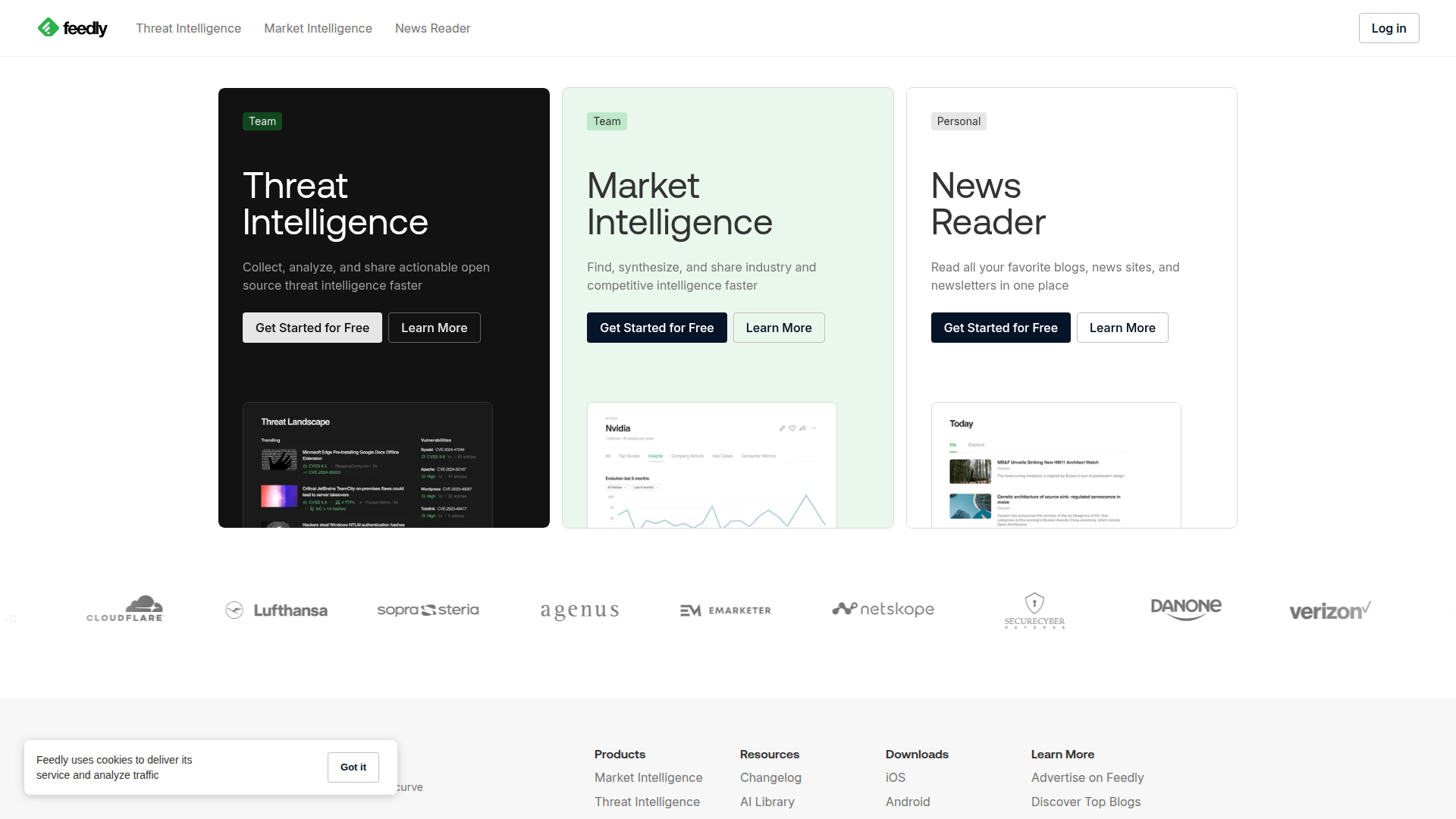
Feedly isn’t a classic entry in lists of backlink building sites, but it supports the work that earns links. It helps you follow blogs, publications, and competitor updates in one place.
Why does that matter? Because good link building starts with knowing what people are talking about. If you spot trends early, you can publish first, pitch first, and get cited.
Feedly also helps with prospecting. When you follow writers and sites in your niche, you build a natural list of targets for guest blogging and outreach.
If you’re tired of random scrolling, Feedly gives you a calmer way to keep up with your industry.
Key Features
Feedly organizes content via RSS feeds, folders, and filters. You can group sources by topic, like “local SEO,” “ecommerce,” or “online PR.”
Use it to:
Pair it with a backlink analysis tool like Rankpeak. When you see a competitor get mentioned, you can investigate the page and decide if it’s worth pitching too.
Pros and Cons
Pros & Cons
Medium: Writers Seeking a Broad Audience
Medium is a publishing platform with built-in distribution. For backlink building sites, it’s often used for syndication, thought leadership, and reaching readers who don’t know you yet.
Medium links may not always pass strong SEO value, depending on how they’re treated. Still, Medium can help you earn attention, and attention can turn into links.
A practical approach is to publish a condensed version of a guide, then link to the full resource on your site. Make the Medium post stand on its own, so it doesn’t feel like a teaser.
Medium also works well for founder stories and lessons learned. Those posts can get picked up by newsletters and blogs.
Key Features
Medium offers a clean editor, easy formatting, and topic-based discovery. You can submit posts to publications, which can expand reach.
For SEO-friendly content distribution, focus on:
If you’re worried about duplicate content, don’t copy-paste your whole article. Rewrite it, change examples, and add a new angle. That protects your main site while still benefiting from Medium’s audience.
Pros and Cons
Pros & Cons
Quora: Building Authority as an Expert
Quora is a Q-and-A platform where good answers can rank in Google and bring steady traffic. As backlink building sites go, Quora is more about authority and visibility than raw link power.
Still, it can support your SEO in two ways. First, you can link to relevant resources when it genuinely helps the reader. Second, Quora can reveal what people are confused about, which is gold for content planning.
If you’re in a niche with lots of “how do I choose” questions, Quora can be a steady source of leads. Just don’t spam links. Write answers that would be useful even without a link.
Key Features
Quora lets you follow topics, answer questions, and build a profile that shows your expertise. Your best answers can keep getting views for months.
A simple system:
Use UTM tags to track traffic. Then compare Quora referral visits with conversions. That’s how you decide if it’s worth your time compared to other backlink building sites.
Pros and Cons
Pros & Cons
SoundCloud: Audio Creators Seeking Exposure
SoundCloud is an audio platform, but it can still play a role in link building. Profiles and track descriptions can include links back to your site.
For creators, podcasts, and educators, SoundCloud can support content distribution. A track can be embedded on blogs, shared on social media, and referenced in roundups.
The link value may be modest, but the exposure can be real. If a blogger embeds your episode and credits you, that can turn into a stronger backlink.
If you’re already producing audio, SoundCloud is an easy extra channel. If you’re not, don’t start audio just for links.
Key Features
SoundCloud supports uploads, playlists, embeddable players, and detailed descriptions. That description space is where you can add:
For website optimization, create a dedicated show-notes page for each episode. Then link to that page from SoundCloud. That keeps your links relevant and helps you measure organic traffic from audio listeners.
Pros and Cons
Pros & Cons
LinkedIn: Professional Networking Opportunities
LinkedIn is a networking platform first, but it’s also a practical place to earn links through relationships. Many guest blogging invites, podcast bookings, and partnership mentions start with a LinkedIn message.
As backlink building sites go, LinkedIn is indirect. Your profile link won’t change your rankings overnight. The bigger payoff is meeting editors, marketers, and founders who run authority websites.
LinkedIn posts can also act like mini content distribution. If a post gets traction, it can lead to quotes, roundups, and invitations to contribute elsewhere.
If you sell locally, LinkedIn can help with local SEO backlinks too. Connect with local chambers, event sites, and community orgs that publish sponsor pages.
Key Features
LinkedIn gives you a profile link, a featured section for links, long-form articles, and short posts. You can also join groups and follow company pages.
For link building strategies, try:
Keep your profile tight. Make it clear what you do, who you help, and why you’re credible. That increases the odds someone will cite you or invite you to contribute.
Pros and Cons
Pros & Cons
Tumblr: Bloggers Seeking Multimedia Engagement
Tumblr is a microblogging platform built for quick posts, images, and reblogs. It’s not as mainstream as it once was, but it still has active communities.
For backlink building sites, Tumblr is mostly about content distribution and discovery. You can publish short versions of posts, share visuals, and link back to deeper resources.
Tumblr can work well for niches that are visual or culture-driven, like design, fashion, music, and fandom spaces. If your brand fits, you can earn attention that leads to mentions elsewhere.
Treat Tumblr like a side channel. Repurpose content you already have, and focus on posts that are easy to share.
Key Features
Tumblr supports multimedia posts, tags, themes, and reblogs. Tags matter a lot. They’re how people find your content.
A simple repurposing plan:
If you want richer media, create a simple infographic about your process. For example, a “backlink quality checklist” image can get reblogged and shared, which can lead to social media links and occasional editorial mentions.
Pros and Cons
Pros & Cons
Final Verdict

Backlink building sites work when you treat them like a system, not a hack. A few strong links from relevant, trusted pages usually beat dozens of weak ones.
If you want a structured way to plan and track your work, Rankpeak is a practical hub. It helps you connect backlink analysis with outreach, so you can stay consistent and avoid messy spreadsheets.
For editorial links, HARO and SourceBottle are hard to ignore. They reward speed, clear writing, and real expertise. For distribution and discovery, Medium, LinkedIn, BizSugar, Tumblr, and even SoundCloud can help you get seen, which often leads to natural links later.
One last tip: build assets people cite. Original data, simple tools, and real case studies earn links. Even a basic “ROI of links” calculator in a spreadsheet can attract mentions. Pick two channels from this list, commit for 60 days, and track results. That’s how backlink building sites turn into steady organic traffic and better search engine ranking.